Overview
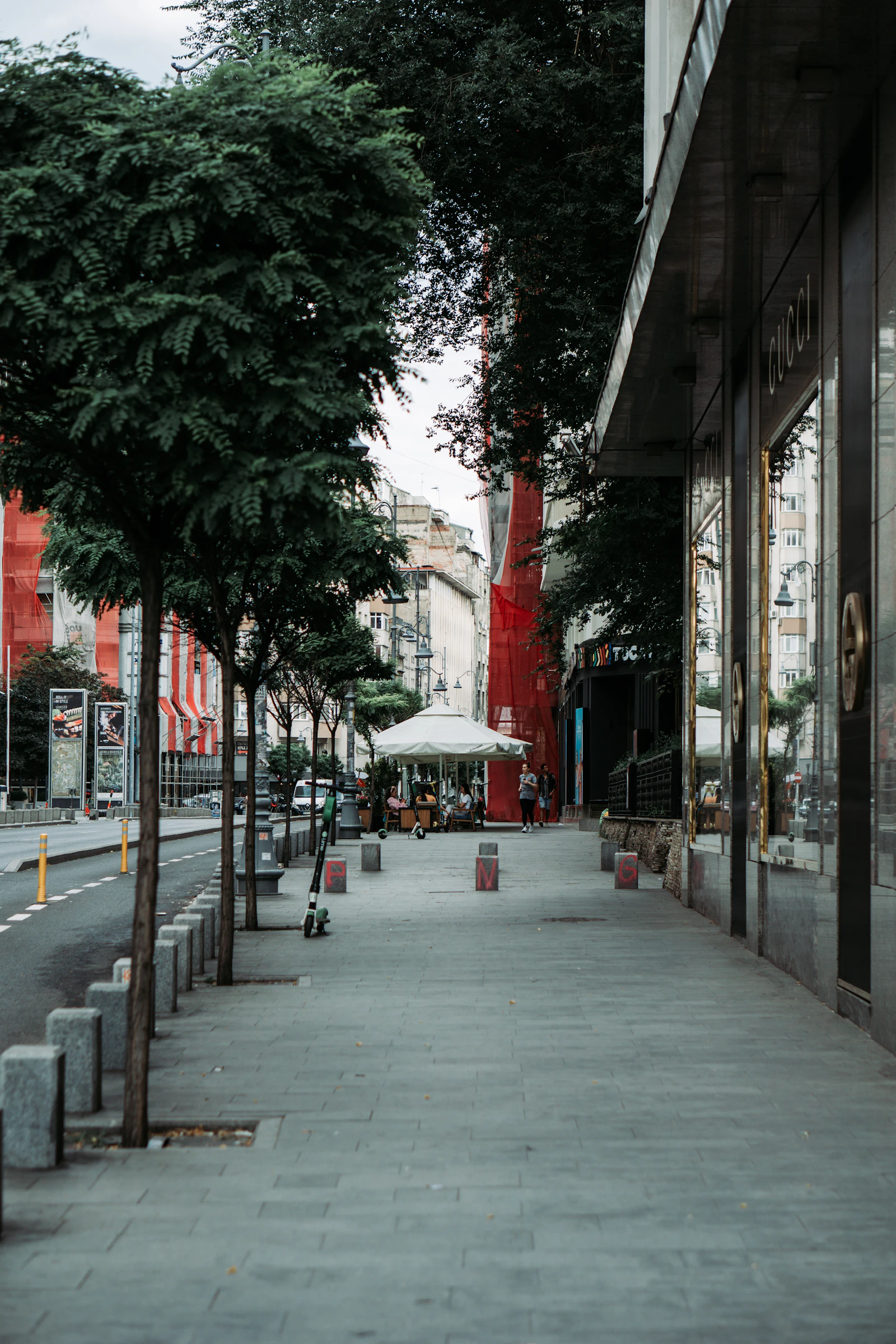
Calea Victoriei is not merely a street — it is the spine of Bucharest, a 2.7-kilometer avenue that concentrates more history, architecture, culture, and dining per meter than any other address in Romania. Walking its length from Splaiul Independentei in the south to Piata Victoriei in the north is the single best way to understand what Bucharest was, is, and aspires to become. For a structured route, the 1-day Bucharest itinerary covers the highlights along this stretch.
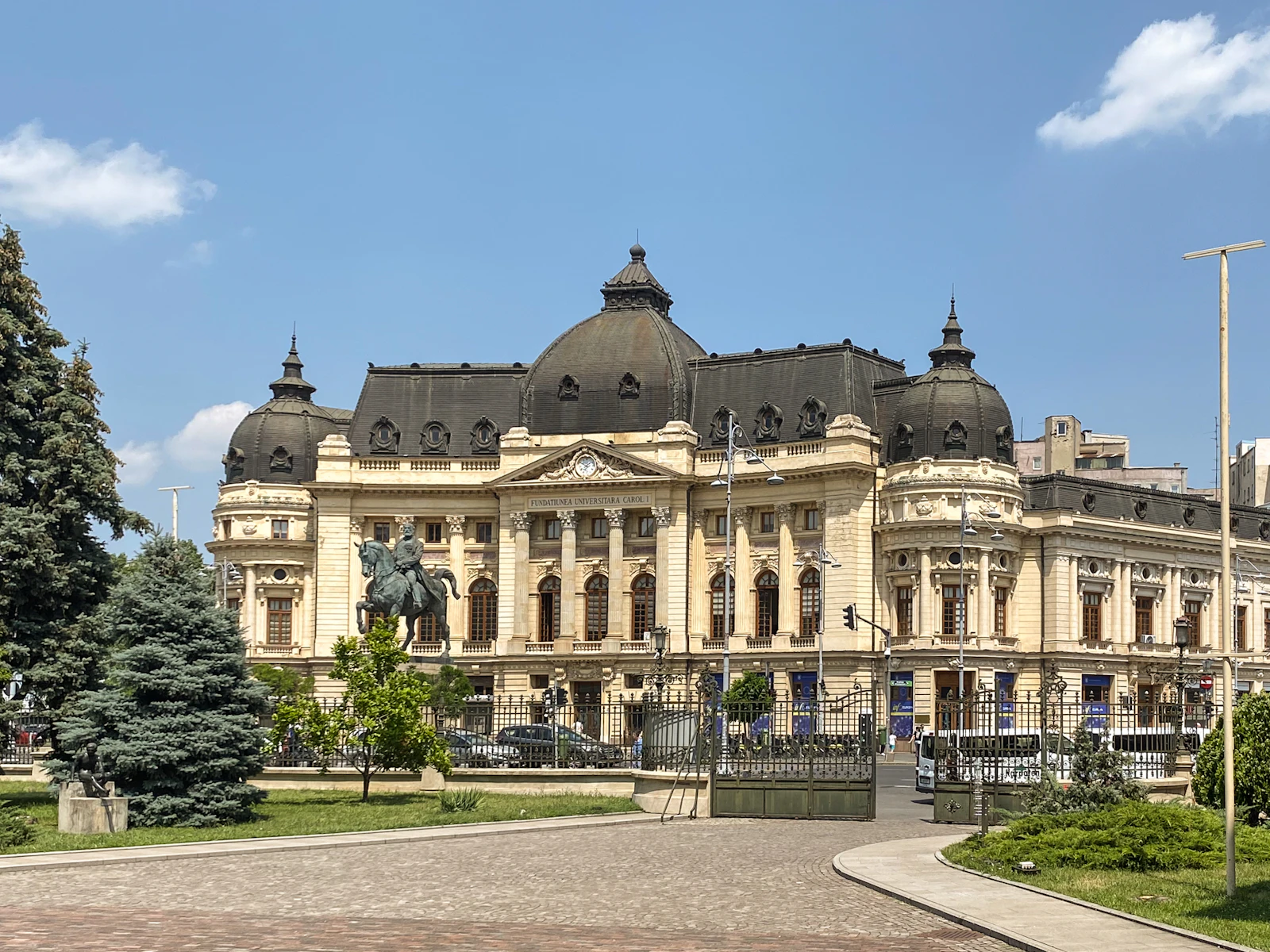
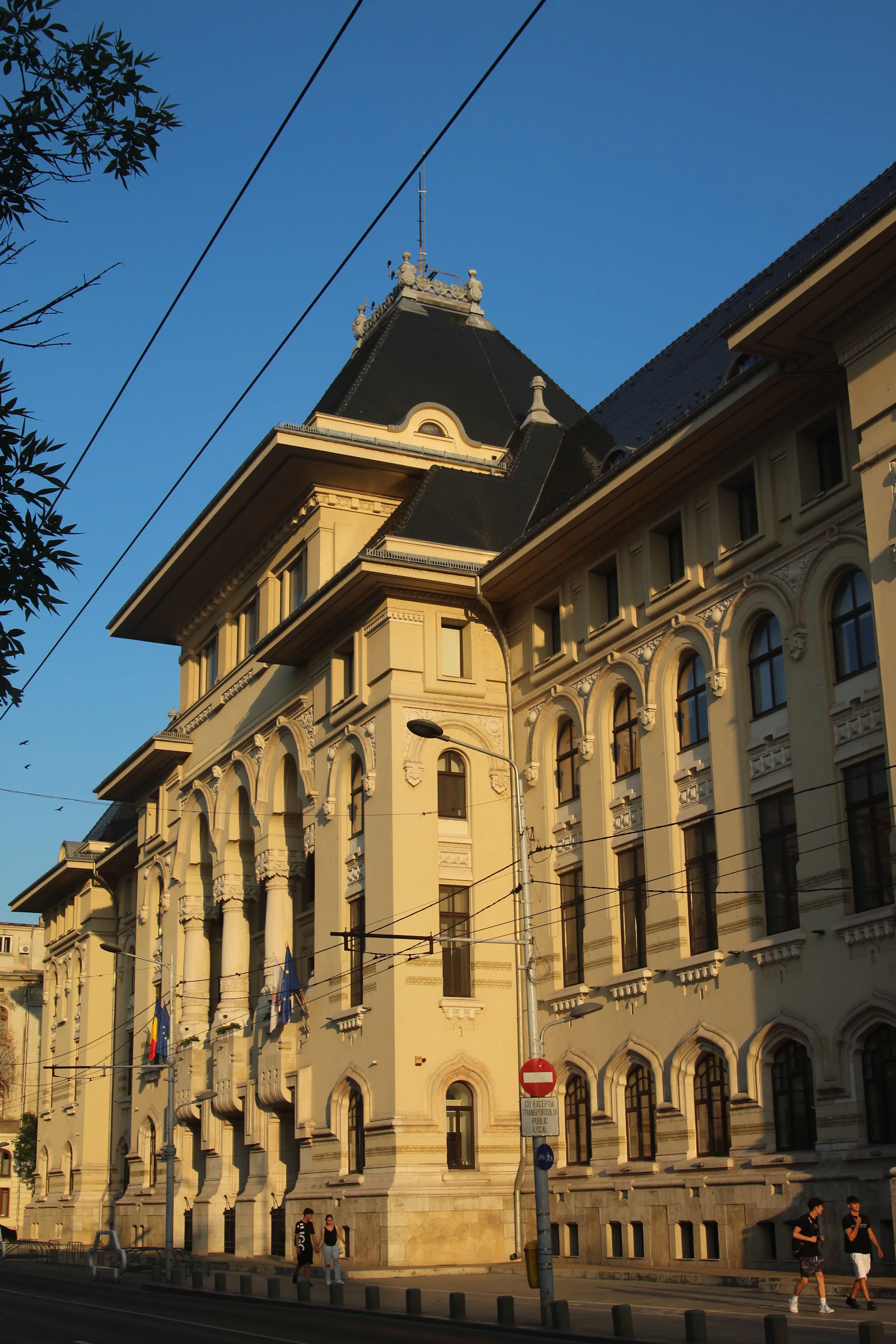
Every architectural style the city has ever embraced appears along this avenue: Brancovenesc churches, French neoclassical palaces, Art Nouveau facades, Art Deco apartment buildings, communist-era insertions, and contemporary glass towers. The Romanian Athenaeum, the CEC Palace, the Cantacuzino Palace, and the National Museum of Art all face onto Calea Victoriei or its immediate surroundings.
The area around Piata Victoriei itself serves as the political heart of the nation — Victoria Palace houses the Romanian government, and major institutions cluster around the square. From April to October, much of Calea Victoriei becomes a pedestrian zone on weekends, transforming one of Europe’s most underrated avenues into a living gallery of architecture, street performance, and cafe culture.
History
Calea Victoriei is the oldest street in Bucharest, originally a trading route known as Ulita Mare (the Great Street) or Drumul Brasovului (the Brasov Road), part of the trade route connecting the capital to Transylvania. In 1692, ruler Constantin Brancoveanu had the road paved with wooden planks — the first paved road in Wallachia — creating a thoroughfare between the princely court and his palace in Mogosoaia to the north. For over a century it was known as Podul Mogosoaiei (the Mogosoaia Bridge Road). In 1842 it was repaved with cobblestone.
The street was renamed Calea Victoriei on October 12, 1878, following the Romanian victory in the War of Independence of 1877-1878. But its transformation into Bucharest’s grand avenue began earlier, in the 1860s, when Romania’s new constitutional monarchy embraced French culture and began remaking the capital in Paris’s image. Tree-lined avenues, neoclassical buildings, and grand public institutions appeared in rapid succession.
By the early 20th century, Calea Victoriei was the social and commercial center of Bucharest — the place to see and be seen. The Athenaeum (1888), the CEC Palace (1900), and the Royal Palace (now the National Museum of Art) made it one of the most impressive avenues in Southeastern Europe.
The communist period left its marks — some buildings were demolished, others were neglected, and the character shifted from cosmopolitan promenade to utilitarian thoroughfare. But the core architecture survived, and the post-1989 restoration has gradually returned Calea Victoriei to its former glory. The weekend pedestrianization that began in recent years represents the latest chapter in this ongoing renewal.
Architecture
Walking Calea Victoriei from south to north is an architecture lesson compressed into 45 minutes. The styles overlap and interact in ways unique to Bucharest:
The CEC Palace (1900) — French Renaissance and Baroque elements topped by a magnificent 30-meter glass dome. One of the most photographed buildings in Romania, standing opposite the National Museum of Romanian History.
The Romanian Athenaeum (1888) — Neoclassical perfection by French architect Albert Galleron. The domed concert hall with its 75-meter circular fresco is Romania’s most beloved cultural landmark.
The Cantacuzino Palace (1901) — Now the George Enescu Museum. An exuberant blend of French Academic and Art Nouveau styles that represents the peak of Bucharest’s Belle Epoque ambition.
Art Deco apartment buildings along the northern stretches of the avenue — streamlined geometric facades from the 1930s that rival anything in Brussels or Miami Beach.
The Telephone Palace (1934) — A masterpiece of Neo-Romanian modernism that blends folk motifs with contemporary construction.
The genius of Calea Victoriei is that these buildings are not isolated monuments in a park. They stand side by side in a living streetscape, creating conversations across centuries of taste and ambition.
Where to Eat & Drink
The Victoriei corridor offers a rich dining scene that matches the avenue’s architectural grandeur. From refined restaurants in historic buildings to specialty coffee shops and a bar dedicated entirely to Romanian spirits, the options here reward exploration.
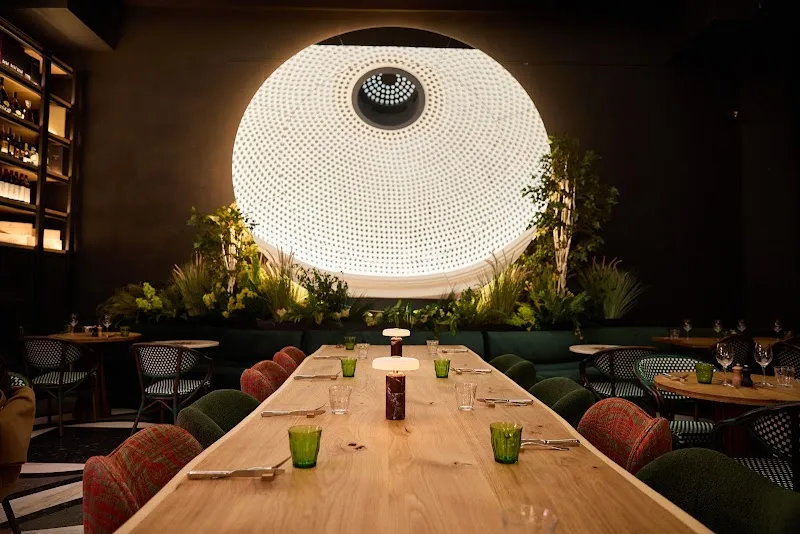
The Lobby at Calea Victoriei 68-70 sets a high standard with its contemporary European cuisine in an elegant setting — seasonal menus, attentive service, and an atmosphere that feels both sophisticated and welcoming. Further north, Innocent & Delicious occupies the beautiful Casa cu Cariatide at number 202, a destination especially popular for creative brunch and weekend mornings near Piata Victoriei.
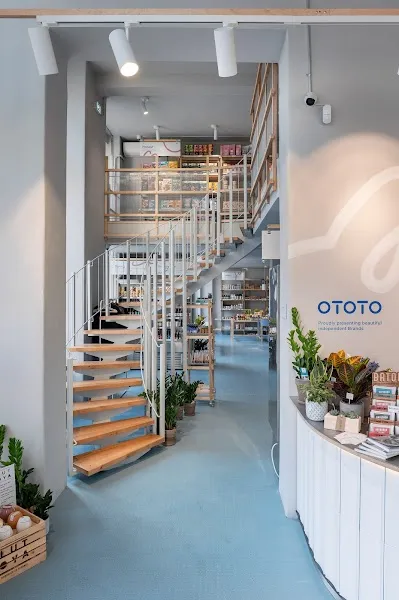
For coffee, OTOTO Store Victoriei at number 153 pairs excellent espresso and matcha with a curated selection of design objects in a clean, modern space. Down the avenue, Artichoke at number 45 is an all-day cafe with specialty coffee and light meals, popular with freelancers. For drinks, Nativ Bar Romanesc at number 114 takes a distinctly local approach, building its cocktail menu around Romanian spirits like tuica and palinca — a genuine taste of Romania in cocktail form.
Where to Eat & Drink in Victoriei Neighborhood Guide -- Calea Victoriei, Museums & Dining | Salut Bucuresti
Our tested picks for restaurants, cafes, and bars
Restaurants
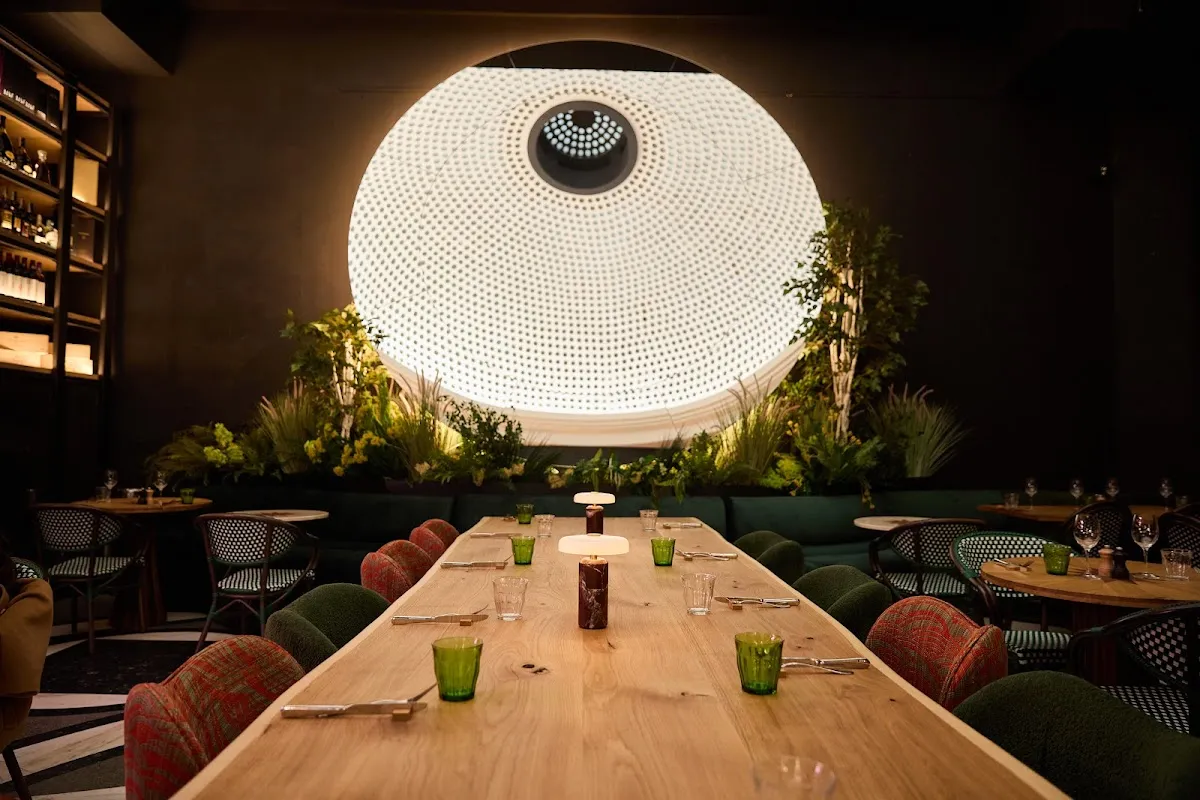 The Lobby
 The Lobby
Refined restaurant in an elegant setting at Calea Victoriei 68-70. Contemporary European cuisine with seasonal menus, attentive service, and an atmosphere that balances sophistication with warmth.
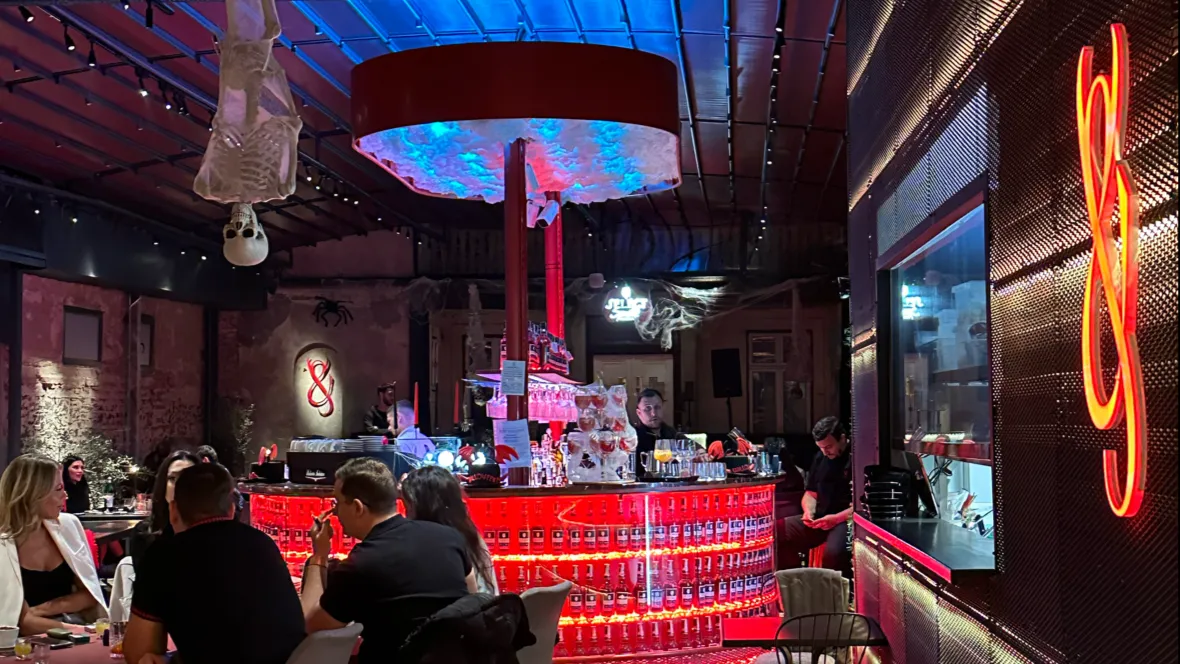 Innocent & Delicious
 Innocent & Delicious
Housed in the beautiful Casa cu Cariatide at Calea Victoriei 202, this restaurant combines a historic setting with creative brunch and lunch menus. A favorite for weekend mornings near Piata Victoriei.
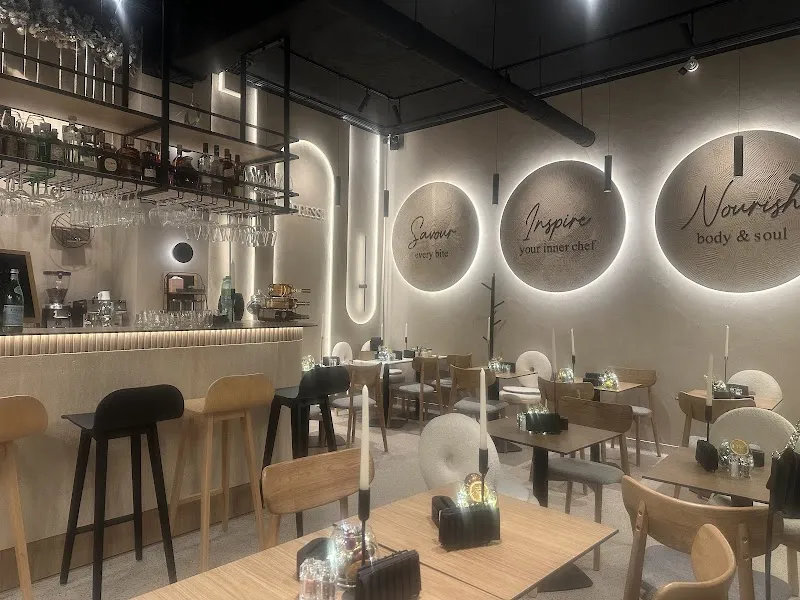
S'PRESSI Casual Cuisine
Casual yet polished restaurant near Piata Victoriei at Calea Victoriei 222, known for generous portions, fresh ingredients, and a relaxed atmosphere that works for both quick lunches and leisurely dinners.
Cafes
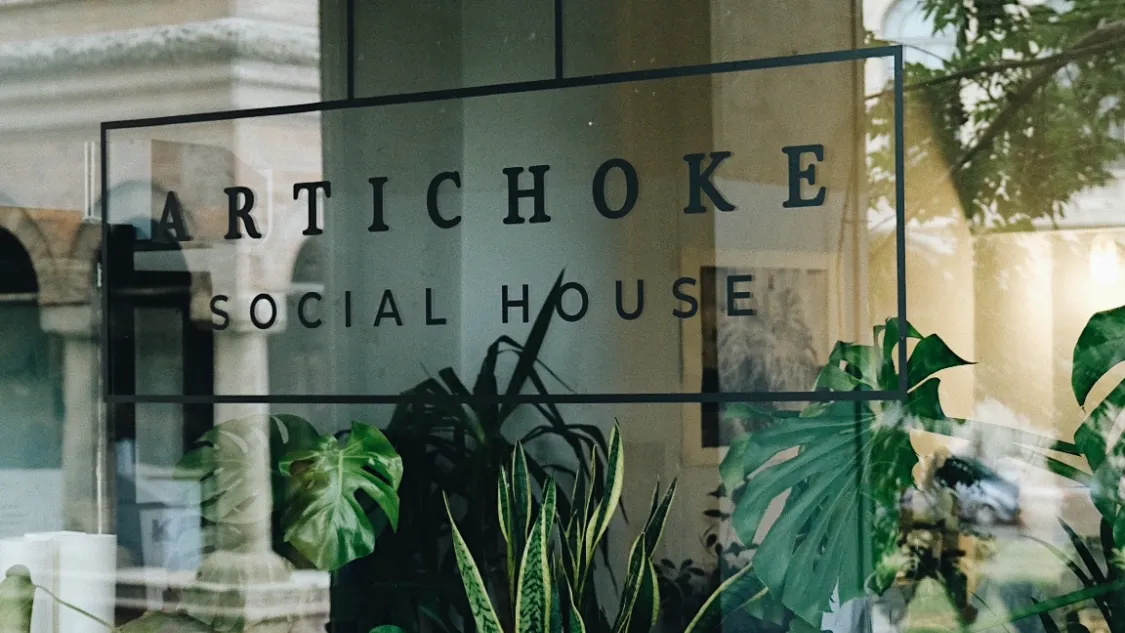 Artichoke
 Artichoke
All-day cafe at Calea Victoriei 45 with specialty coffee, fresh juices, and light meals. A popular spot for freelancers and creatives, with a warm interior and sidewalk seating.
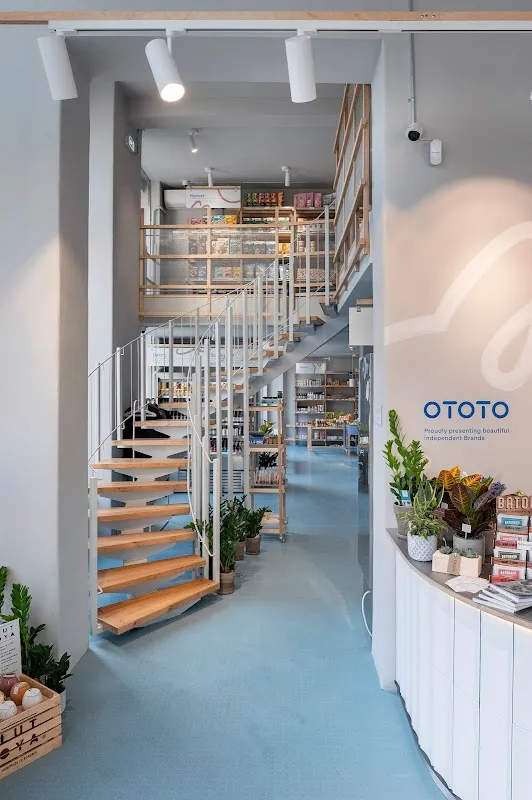 OTOTO Store Victoriei
 OTOTO Store Victoriei
Specialty coffee and lifestyle store at Calea Victoriei 153. Excellent espresso, matcha, and a curated selection of design objects. A clean, modern space popular with the creative crowd.
Bars
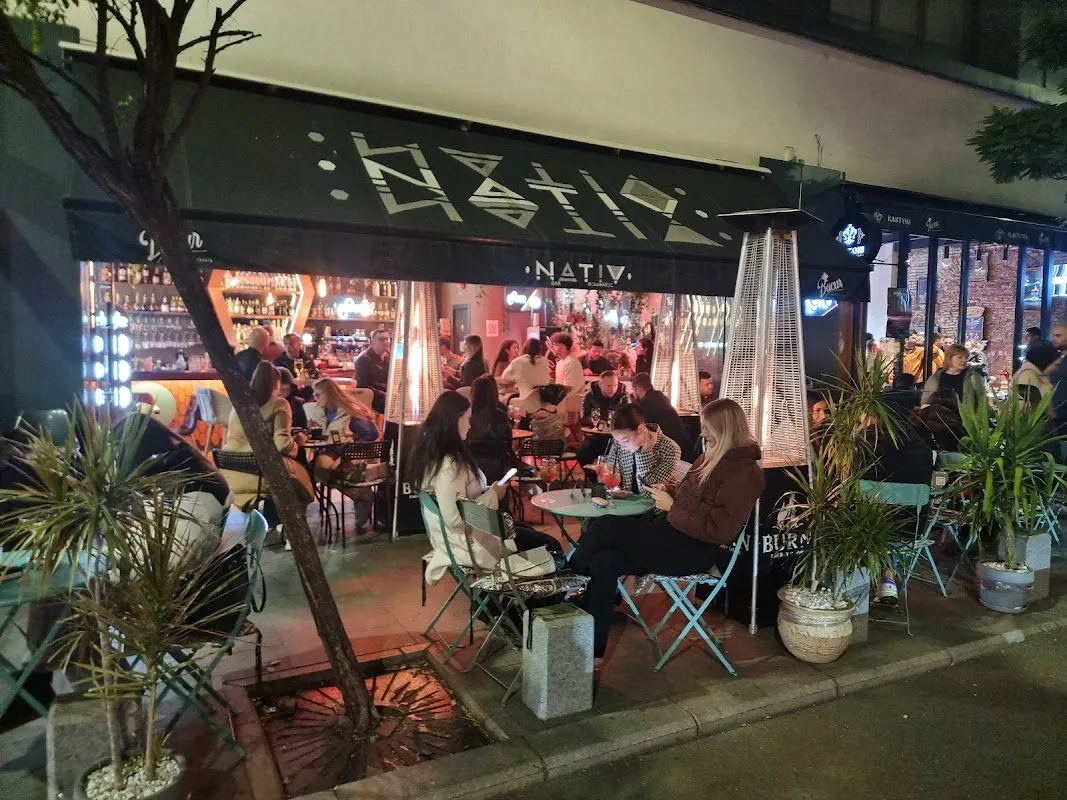 Nativ Bar Romanesc
 Nativ Bar Romanesc
A bar dedicated to Romanian spirits and cocktails at Calea Victoriei 114. The menu celebrates local ingredients -- tuica, palinca, Romanian wines -- in creative cocktail form. A genuine taste of Romania.
A Glimpse into the Past
Belle Epoque Calea Victoriei -- the CEC Palace, Grand Hotel de France, and Socec Bookshop in their original splendor
Photo: Unknown author · Public domain · Wikimedia Commons
Calea Victoriei between Strada Edgar Quinet and Bulevardul Regina Elisabeta -- elegant facades lining Bucharest's most prestigious avenue
Photo: Unknown author · Public domain · Wikimedia Commons
The Cantacuzino Palace on Calea Victoriei, circa 1910 -- the French Beaux-Arts masterpiece now houses the George Enescu Museum
Photo: Unknown author · Public domain · Wikimedia Commons
The Romanian Athenaeum in its early glory -- the neoclassical concert hall remains the cultural jewel of Calea Victoriei
Photo: Neoclassicism Enthusiast · Public domain · Wikimedia Commons
Victory Square circa 1930 -- the Geology Museum visible in the background, before the area became Romania's political center
Photo: Unknown author · Public domain · Wikimedia Commons