Overview
Dorobanti is where Bucharest most convincingly channels its “Little Paris” identity. This elegant residential quarter unfolds along tree-lined avenues bordered by neoclassical mansions, Art Deco apartment buildings, and embassies flying flags from around the world. It is the kind of neighborhood where the architecture alone justifies a visit — every block reveals ornate facades, grand balconies, and mansard roofs that could have been transported from a Parisian arrondissement.
The pace here is slower than in the city center. Locals walk small dogs along Calea Dorobantilor, pause at sidewalk cafes, and browse boutique shops. Foreign diplomats and their families add an international character. If the Old Town is Bucharest at full volume, Dorobanti is the city in a contemplative whisper — beautiful, composed, and quietly confident.
For visitors, Dorobanti offers the best architecture walking in Bucharest, a handful of excellent cafes and restaurants, and a genuine sense of how the city’s upper-middle class lives. It is also perfectly positioned between the cultural landmarks along Calea Victoriei to the west and the green expanses of Herastrau Park to the north.
History
The street that anchors the neighborhood dates to 1831, but it received its present name in 1878 after the Romanian War of Independence, as a tribute to the dorobanti — Romanian infantry soldiers who fought at Plevna, Vidin, and Grivitsa. The word dorobant itself is of Hungarian origin, an older term for a foot soldier or gendarme.
The oldest part of the neighborhood, between Piata Lahovari and Bulevardul Stefan cel Mare, developed first. By the early 20th century, some of Romania’s finest aristocratic families had established residences here. The wider area was built out mainly in the 1930s under strict urban planning rules: buildings could not exceed 14 meters in height, property owners were required to plant trees and maintain green frontages, and cars could not be parked on the street. These regulations gave the neighborhood its distinctly elegant, green character that persists to this day.
During the communist period, many of the grand villas were nationalized and converted to embassies, government offices, or communal housing — a fate that ironically helped preserve their exteriors even as interiors were subdivided. Some apartment blocks were added, but Dorobanti was largely spared the wholesale demolition that devastated other parts of Bucharest.
After 1989, Dorobanti reclaimed its status as a premier residential address. Villas were gradually returned to original owners or purchased by new residents, and the area attracted cultural institutes and upscale businesses. Today, property prices here rank among the highest in Bucharest, reflecting the neighborhood’s enduring appeal.
Architecture
Dorobanti is an architectural showcase spanning Bucharest’s most creative building periods. A walk along Calea Dorobantilor and its side streets reveals:
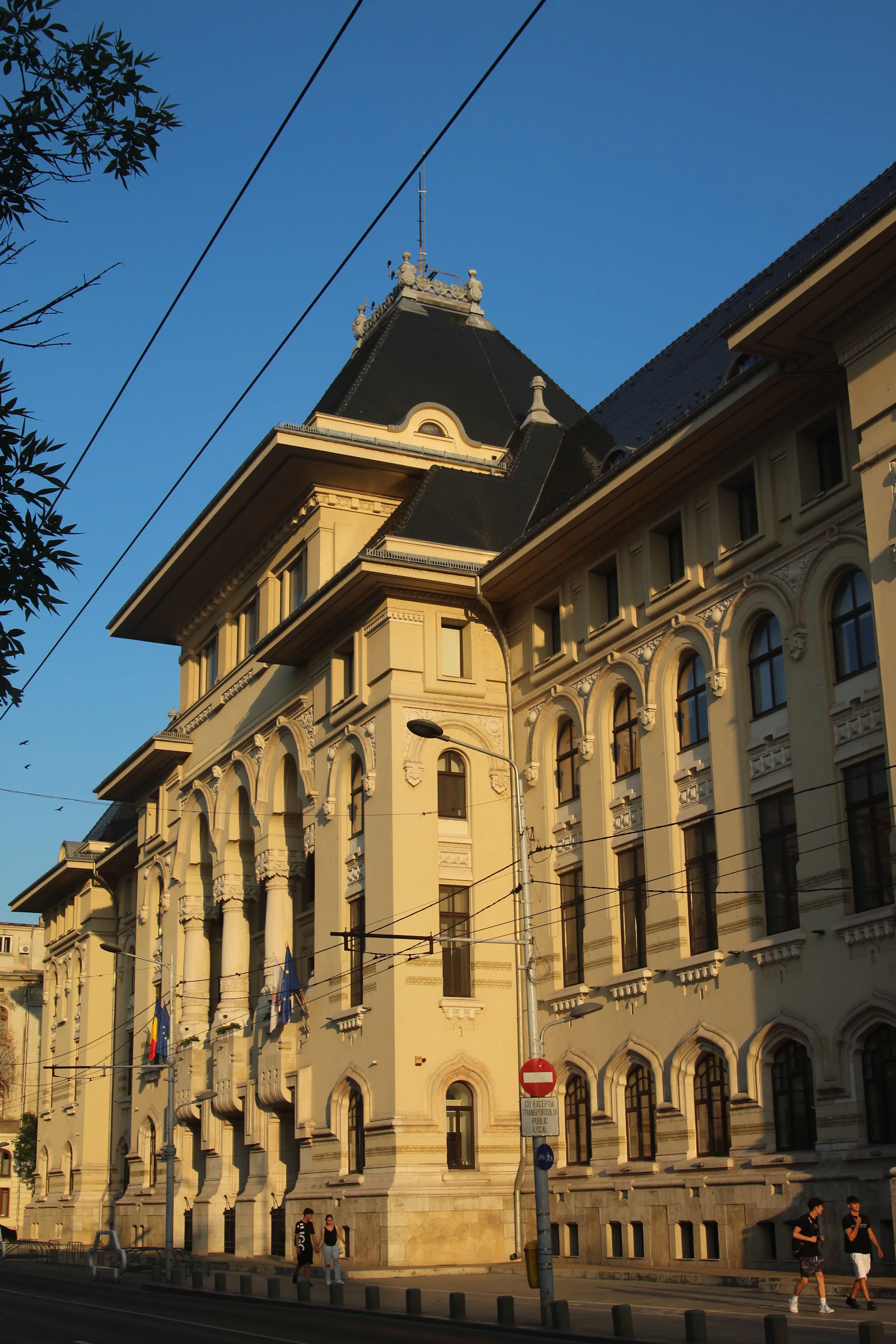
Belle Epoque mansions from the late 19th and early 20th century dominate the streetscape. These are grand homes with French neoclassical facades, decorative cornices, wrought-iron balconies, and elegant entrance porticos. Many now house embassies, their national flags adding color to the stone facades.
Art Deco apartment buildings from the 1920s and 1930s line the main boulevard. Their geometric ornamentation, curved balconies, and streamlined forms represent some of the finest interwar architecture in Bucharest. Look for the distinctive porthole windows and stepped rooflines characteristic of the style.
Neo-Romanian villas appear on some side streets, blending traditional Romanian folk motifs with modernist forms. These buildings feature carved wooden details, ceramic tile accents, and references to vernacular architecture that distinguish them from their French-influenced neighbors.
The best architecture walk runs along Strada Dacia and Strada Eminescu, where villa after villa displays a different interpretation of early 20th-century elegance. The facades range from meticulously restored to romantically crumbling — a spectrum that is pure Bucharest.
Where to Eat & Drink
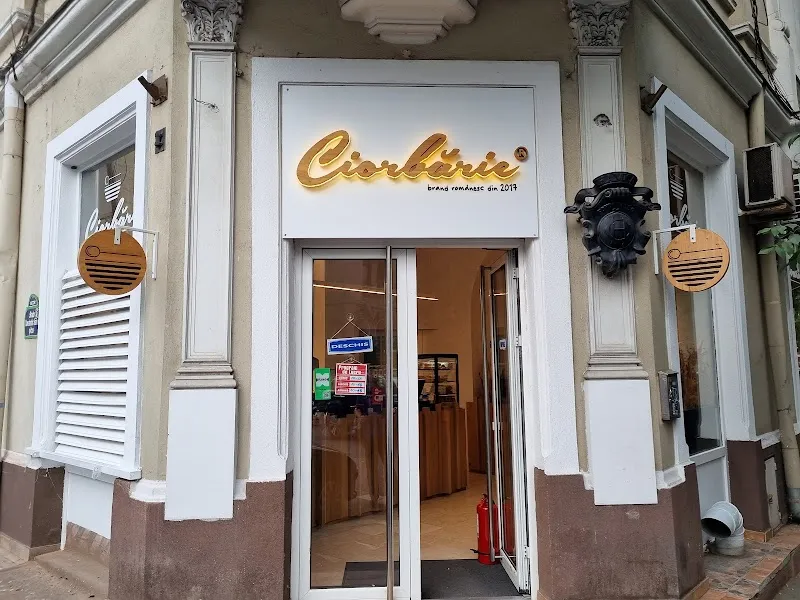
Dorobanti’s dining scene matches its residential elegance: refined, international, and never rushed. The neighborhood excels at cafe culture, with several of Bucharest’s best specialty coffee shops clustered along Calea Dorobantilor. For a genuine local experience, do not miss Ciorbarie — a concept restaurant devoted entirely to Romania’s beloved sour soup.
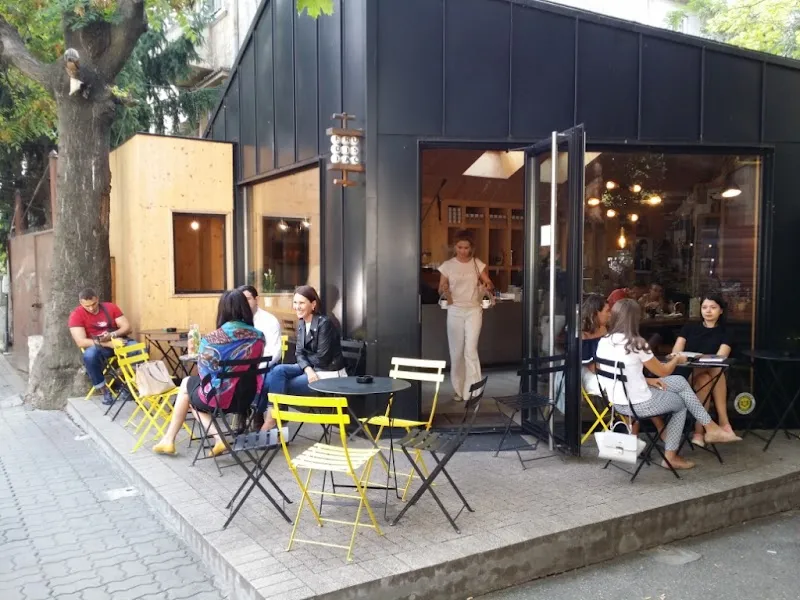
Where to Eat & Drink in Dorobanti Neighborhood Guide -- Architecture, Cafes & Tips | Salut Bucuresti
Our tested picks for restaurants, cafes, and bars
Restaurants
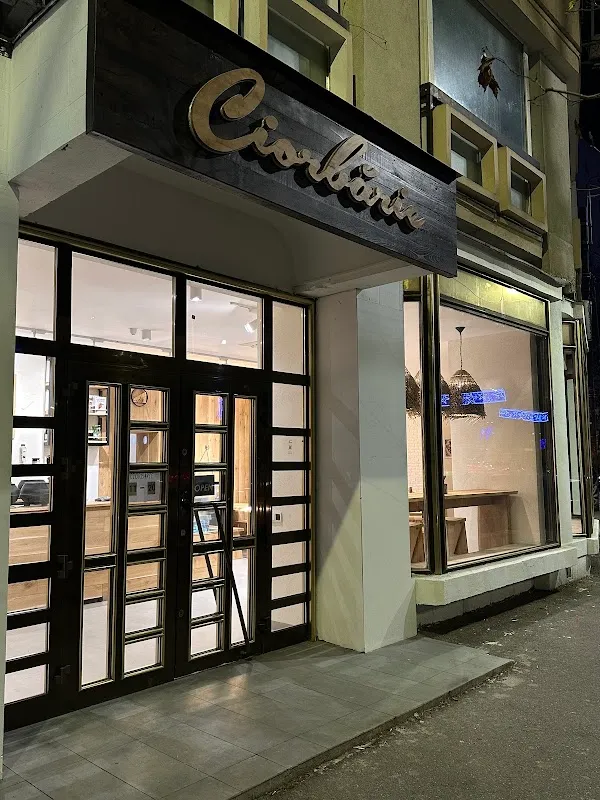 Ciorbarie
 Ciorbarie
A concept restaurant devoted entirely to ciorba -- Romania's beloved sour soup. Multiple varieties served daily in a casual, cheerful setting right on Calea Dorobantilor. A genuine local experience.
 Aticha Gabulon
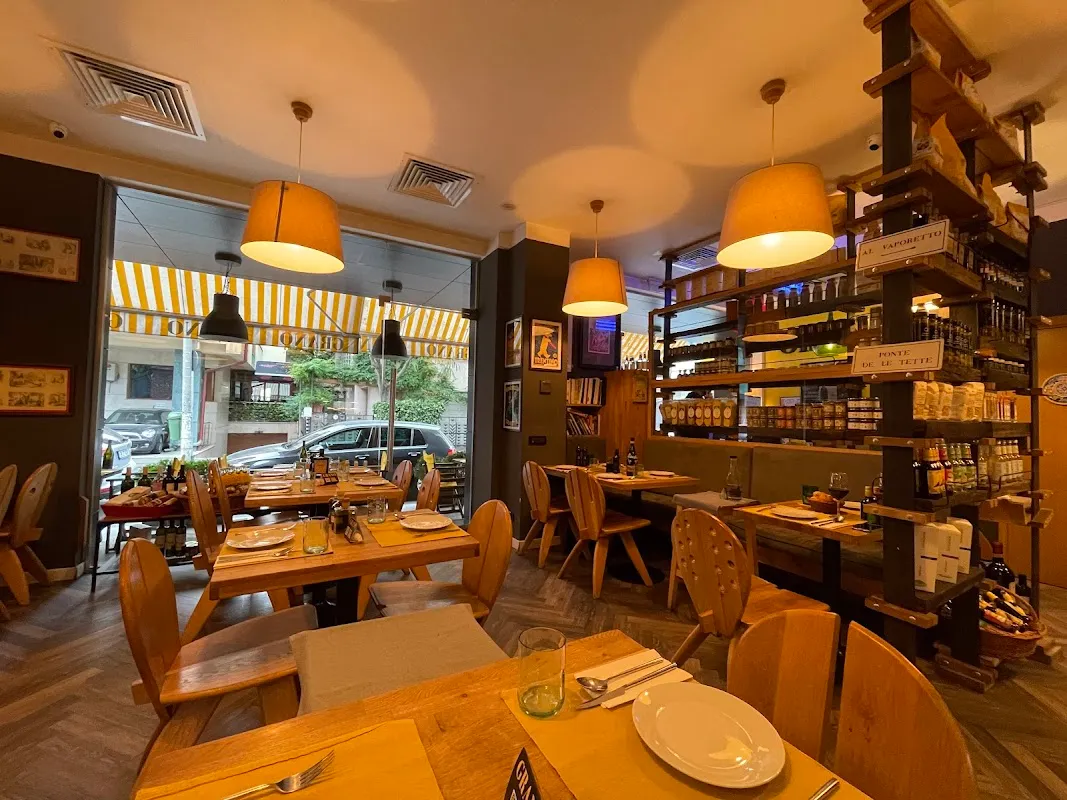
 Grano
An Italian restaurant and deli that has become a neighborhood institution. Handmade pasta, cured meats, and Italian wines in a warm, inviting atmosphere just off Calea Dorobantilor.
Cafes
 George Butunoiu
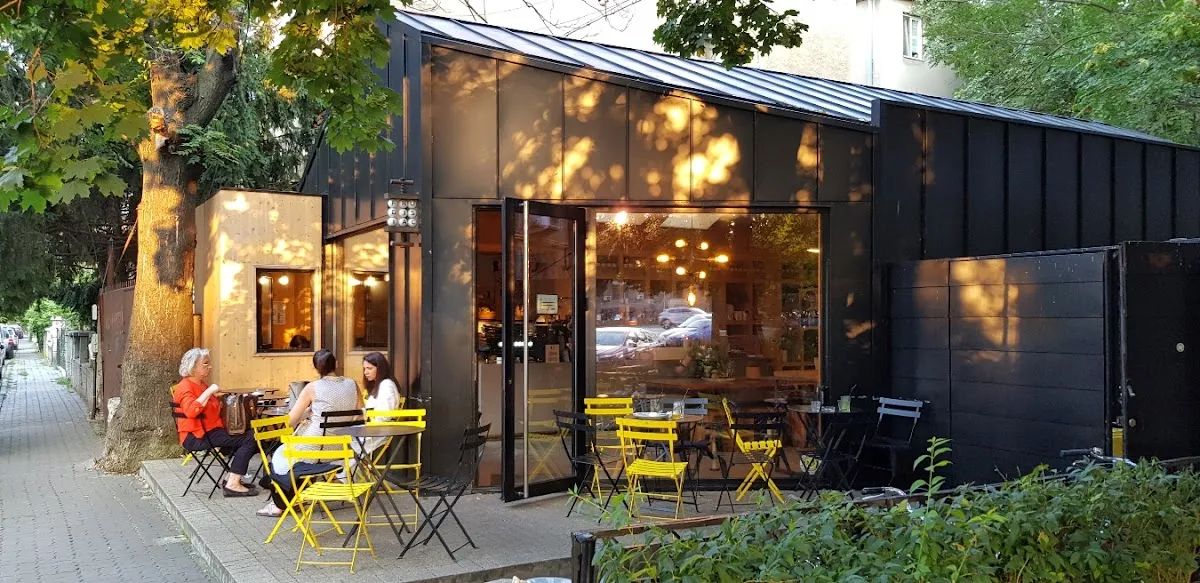
 Frudisiac
One of Bucharest's most popular brunch destinations, tucked into a courtyard near Dorobanti. Acai bowls, fresh juices, avocado toast, and smoothies in a lush garden setting.
 Ena Celoiu
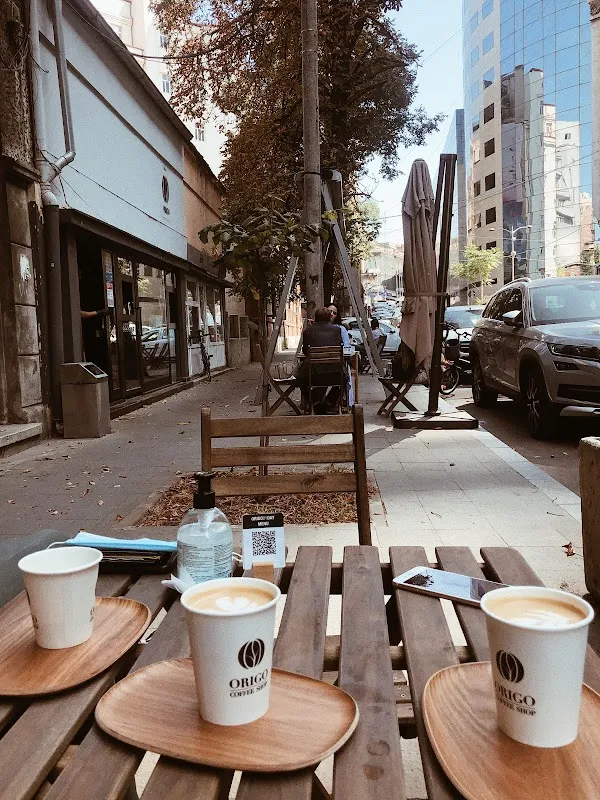
 Origo
Bucharest's specialty coffee pioneer with a location right on Calea Dorobantilor. Excellent pour-overs, flat whites, and pastries in a clean, minimalist space.
 Ciprian Petre
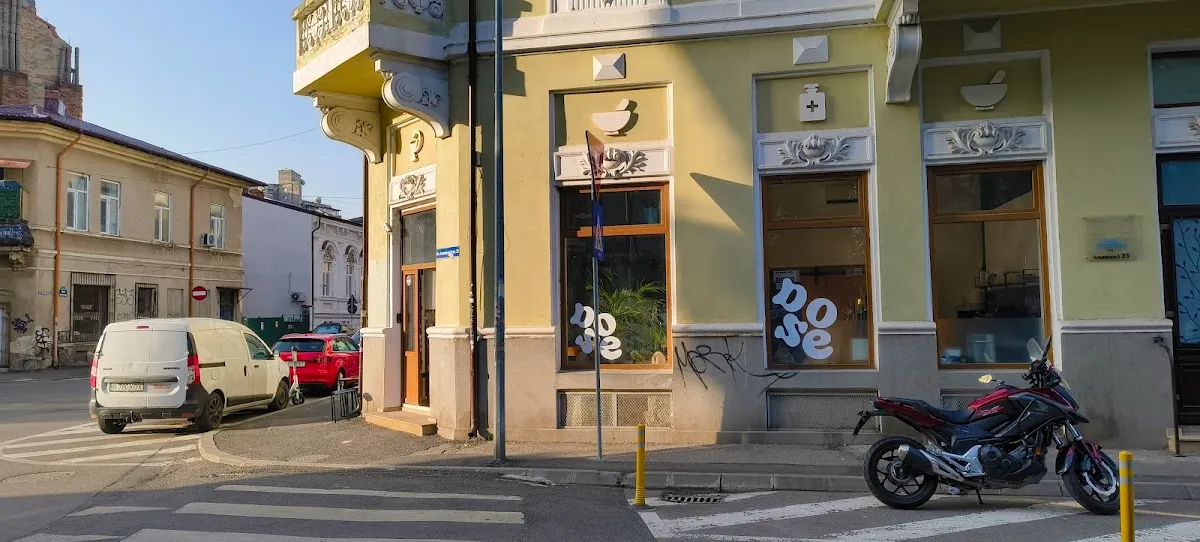
 Dose Specialty Coffee
A cozy specialty coffee shop on Calea Dorobantilor with carefully sourced beans and skilled baristas. The kind of place where the coffee is taken seriously and the atmosphere invites you to linger.
A Glimpse into the Past
Piata Romana with the statue of Prime Minister Lascar Catargiu, circa 1925 -- the gateway to the Dorobanti district
Photo: Unknown author · Public domain · Wikimedia Commons
Piata Romana in 1923 -- the Sabba Stefanescu House visible in the background of this elegant square
Photo: Unknown author · Public domain · Wikimedia Commons
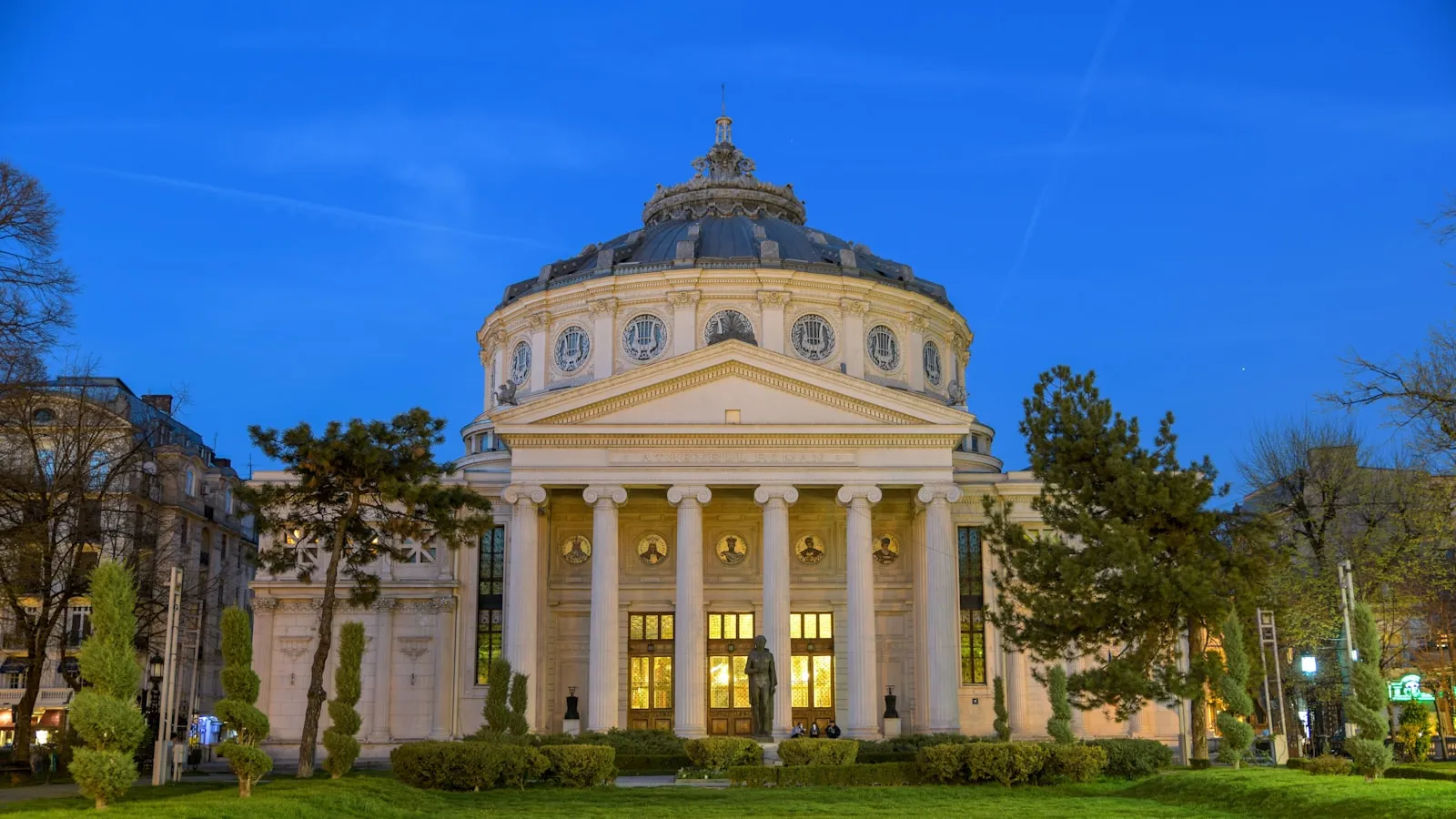
The Romanian Athenaeum in the Belle Epoque -- the neoclassical jewel sits at the southern edge of the Dorobanti district
Photo: Neoclassicism Enthusiast · Public domain · Wikimedia Commons