Overview
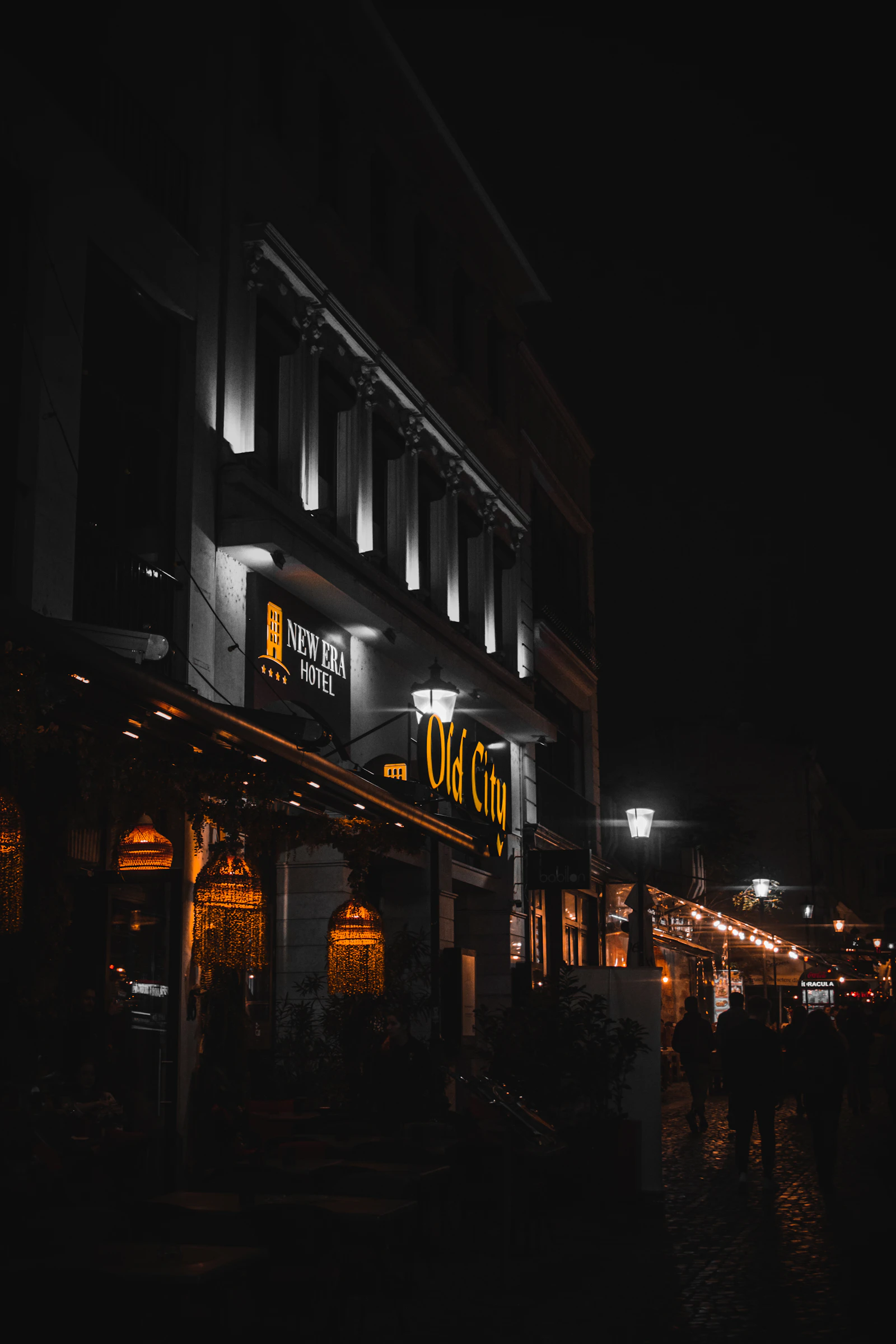
The area around Piata Universitatii is the connective tissue of central Bucharest — the point where the historic Old Town, the cultural corridor of Calea Victoriei, and the residential neighborhoods to the north all converge. It is a crossroads in every sense: geographic, cultural, and generational.
University Square itself is dominated by two institutions that define its character: the University of Bucharest, which gives the area its academic energy, and the National Theatre (Teatrul National), whose brutalist bulk is softened by the popular Aria rooftop bar on top. Students from the university and nearby faculties fill the cafes and bars, creating an atmosphere that is young, creative, and unpretentious.
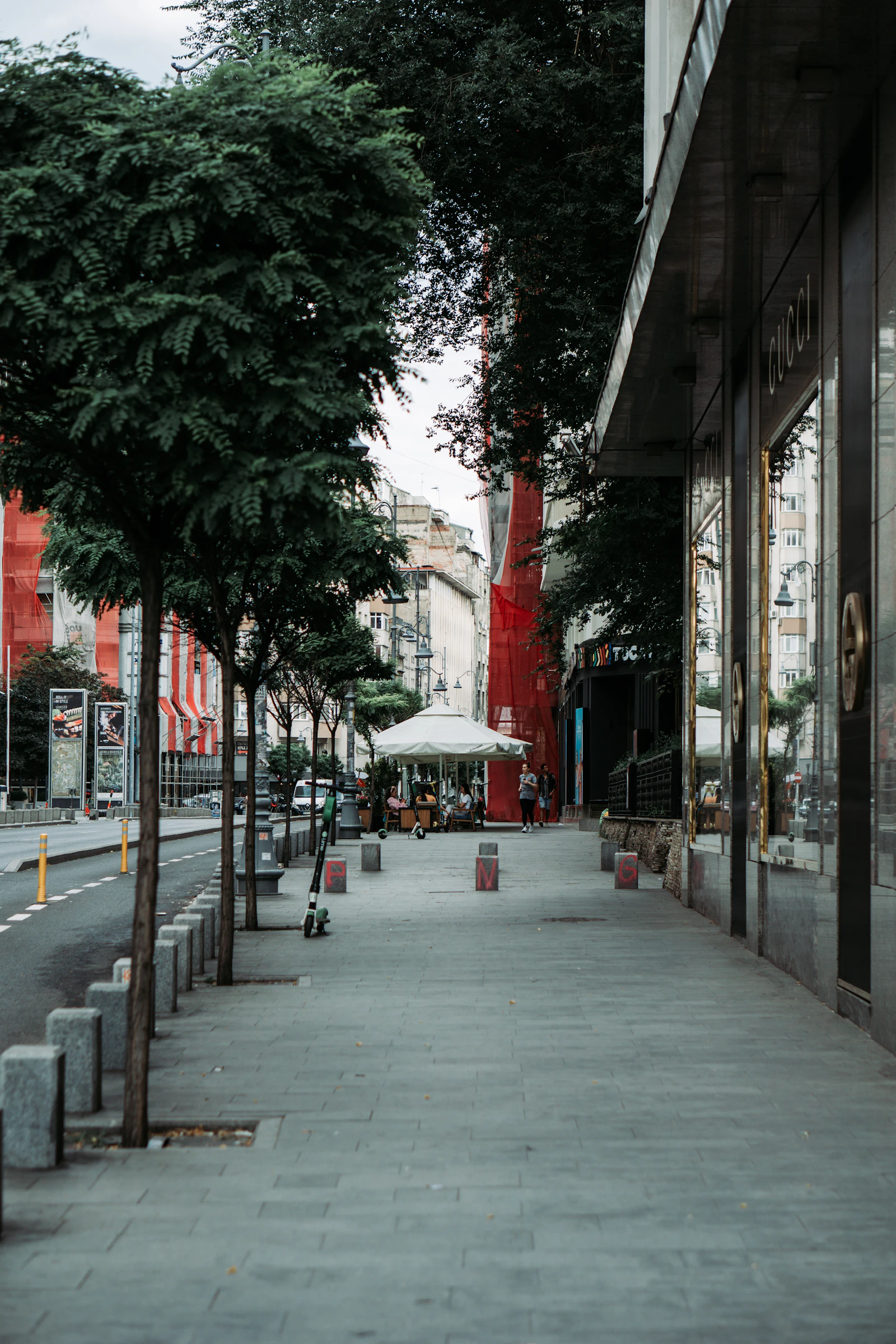
The surrounding streets — Bulevardul Magheru, Strada Toma Caragiu, Strada Matei Millo — are lined with a mix of Art Deco buildings, communist-era blocks, and independent venues that cater to the student demographic. Prices are generally more moderate than in Dorobanti or along Calea Victoriei, and the vibe is correspondingly more relaxed.
For visitors, Universitate serves as an ideal starting point for exploring central Bucharest. The M2 metro station is one of the most connected in the system, the Old Town is a ten-minute walk south, and Calea Victoriei is five minutes west. Everything you need is within walking distance.
History
University Square has been at the center of Bucharest’s intellectual and political life for over 150 years. The University of Bucharest was founded in 1864, and the area around it quickly became the city’s academic quarter — a gathering place for students, professors, writers, and thinkers who shaped Romanian culture and politics.
The square’s political significance was cemented during the 1989 Revolution, when it became one of the bloodiest sites of the uprising against the Ceausescu regime. Automatic gunfire erupted in and around University Square, and the ten stone crosses on the traffic island along Bulevardul Nicolae Balcescu commemorate those who fell here. A black cross at number 18 marks where Mihai Gatlan, the first victim of the revolution in Bucharest, died on December 21, 1989. In the months that followed, the square hosted the “Golaniada” — a prolonged student protest against the post-communist government that lasted from April to June 1990. The tradition of political protest at University Square continues to this day.
The National Theatre, built between 1966 and 1973 in a brutalist style, became one of the square’s defining landmarks despite its controversial aesthetics. The building has been renovated and softened over the decades, and its rooftop bar has given it a contemporary relevance that the original architects likely never envisioned.
The streets radiating from the square developed their commercial character in the early 20th century, with Art Deco and Modernist buildings along Bulevardul Magheru creating one of Bucharest’s most architecturally consistent stretches. The student population has always sustained a lively cafe and nightlife scene here — a tradition that continues in today’s independent coffee shops and cocktail bars.
Architecture
The Universitate area showcases Bucharest’s 20th-century architectural evolution in concentrated form. Bulevardul Magheru and its continuation Bulevardul Balcescu offer one of the city’s best displays of Art Deco and Modernist architecture from the 1920s-1940s. Streamlined facades, geometric ornamentation, and curved balconies line both sides of the boulevard, creating a coherent streetscape that rivals European Art Deco capitals.
The National Theatre dominates the square with its controversial brutalist presence. Love it or hate it, the building is an undeniable architectural landmark — its massive concrete forms and elevated walkways represent the ambitions (and excesses) of 1970s Romanian modernism.
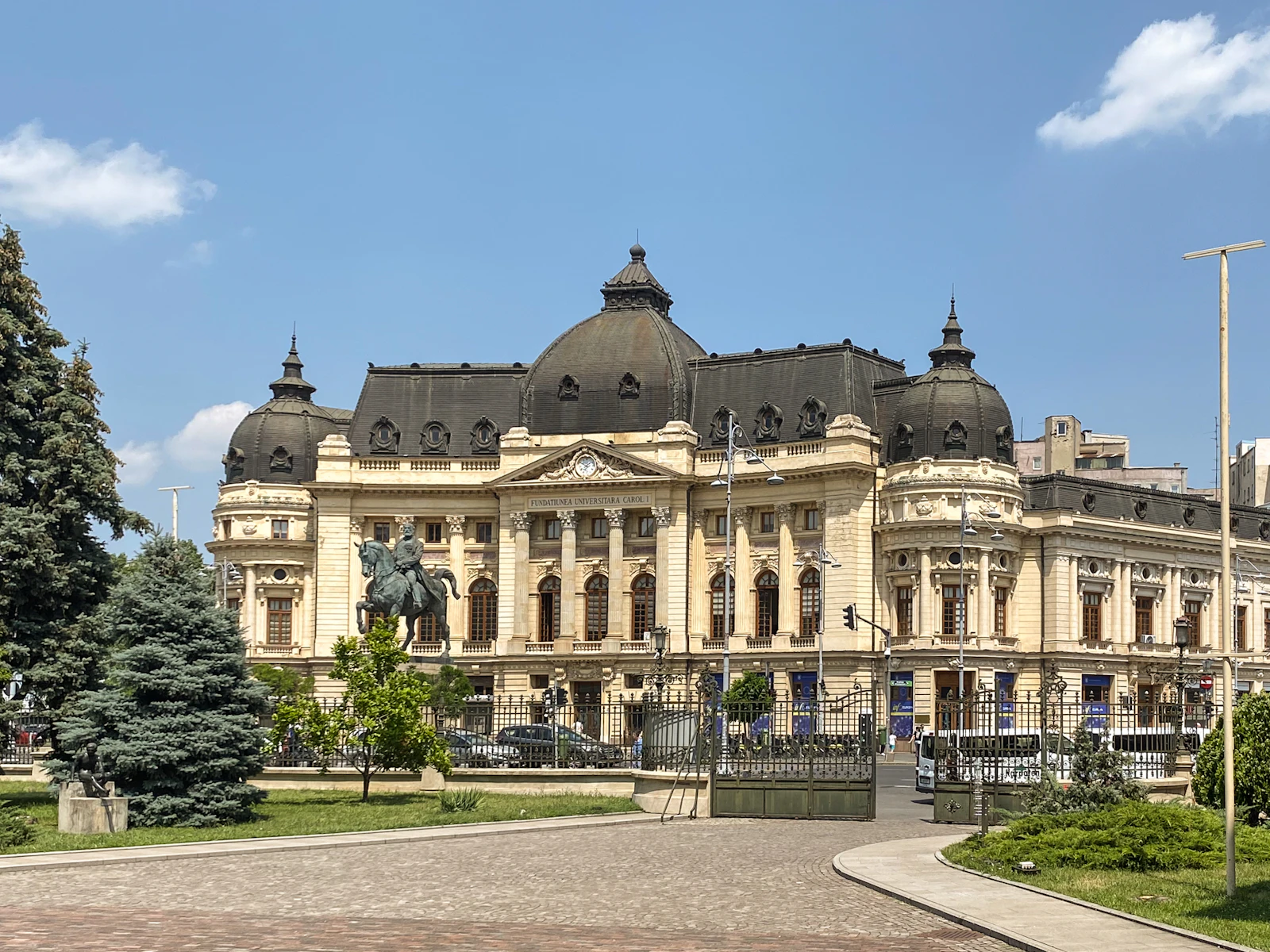
The University of Bucharest buildings add a more classical academic architecture to the mix, their neoclassical facades providing a visual counterpoint to the modernist interventions around them.
On side streets, the contrast between carefully maintained commercial buildings and crumbling residential facades creates the characteristic Bucharest dynamic of ambition and neglect existing side by side. Strada Arthur Verona, a short walk north, reveals hidden Art Nouveau gems that reward the curious walker.
Where to Eat & Drink
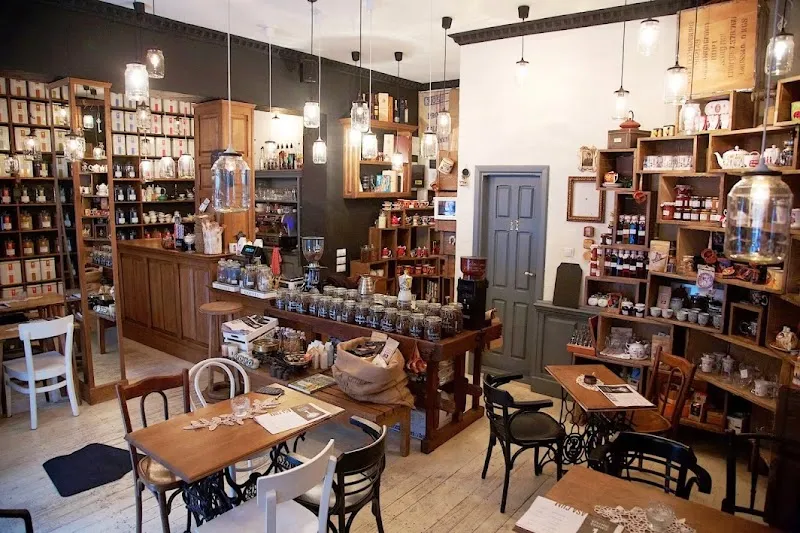
The Universitate area excels at affordable, character-driven venues. This is student territory, and the dining scene reflects it: independent cafes with personality, cocktail bars with reasonable prices, and a genuine local atmosphere that the tourist-heavy Old Town sometimes lacks. Camera din Fata on Strada Mendeleev is one of the city’s most popular specialty coffee shops, with a loyal following and consistently excellent espresso. Nearby, Cismigiu Gardens offers a peaceful retreat just a short walk from the student buzz.
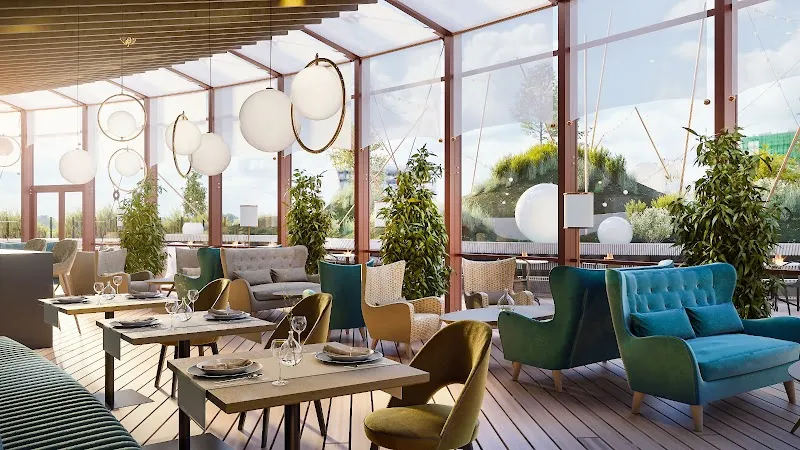
For drinks with a view, Aria TNB on top of the National Theatre offers a spacious terrace overlooking central Bucharest — a more casual rooftop experience than you might expect, good for weekend brunch or evening cocktails. Down at street level, Interbelic on Strada Lipscani is a nightlife veteran with generous cocktails, good music, and the kind of atmosphere that keeps locals coming back.
Where to Eat & Drink in Universitate Neighborhood Guide -- Cafes, Nightlife & Culture | Salut Bucuresti
Our tested picks for restaurants, cafes, and bars
Restaurants
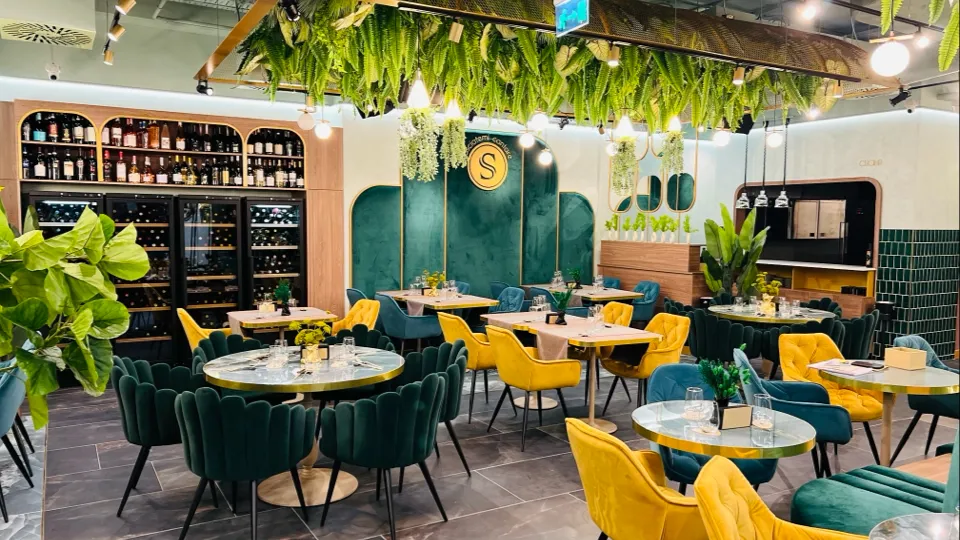 Sciccheria Rosetti
 Sciccheria Rosetti
Italian-inspired restaurant on a quiet side street near the university. Fresh pasta, seasonal dishes, and a warm atmosphere that draws both students and professionals from the area.
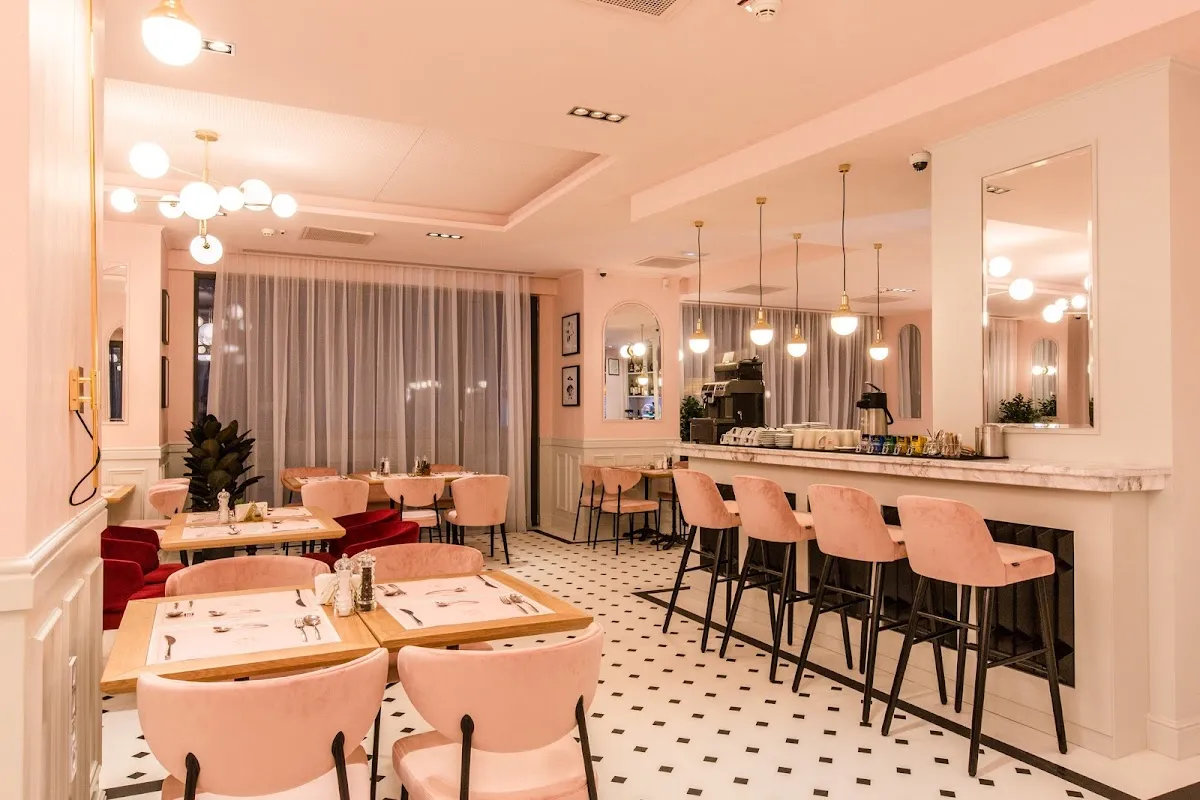 Cișmigiu - Bistro La Etaj
 Cismigiu - Bistro La Etaj
Upstairs bistro near Cismigiu Garden with an elegant setting, creative European cuisine, and views toward the park. A refined dining option within walking distance of the university.
Cafes
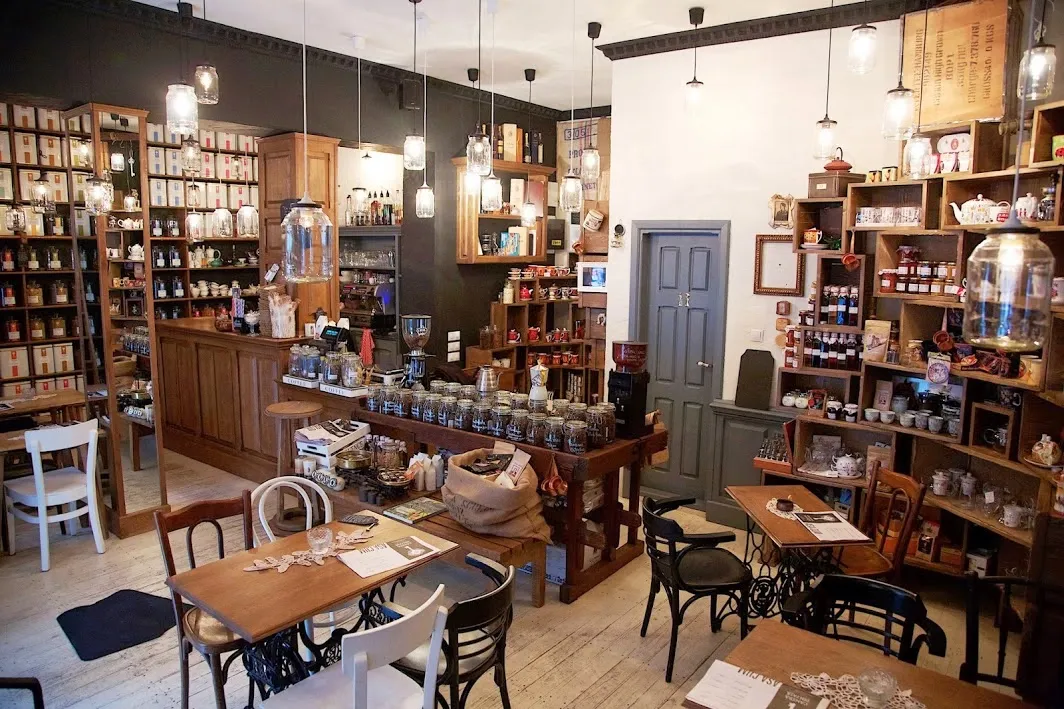 Camera din Față
 Camera din Fata
One of Bucharest's most beloved specialty coffee shops, located on Strada Mendeleev. Known for excellent espresso, a curated interior, and a loyal following among the city's coffee enthusiasts.
Bars
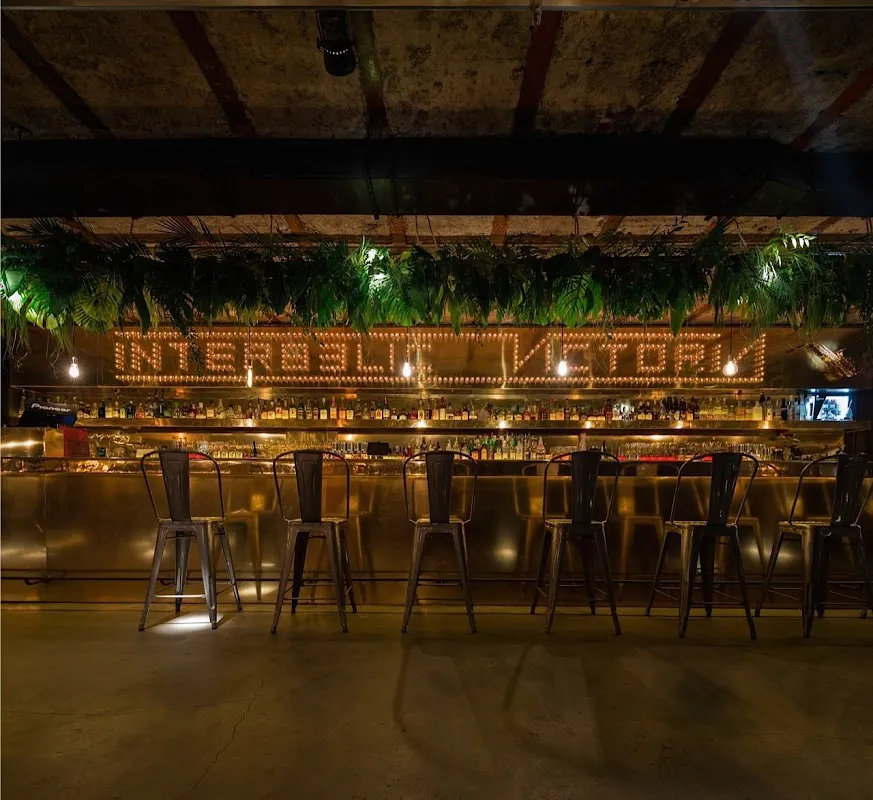 Interbelic
 Interbelic
A veteran of the Bucharest nightlife scene on Strada Lipscani, known for good music, generous cocktails, and a speakeasy-style atmosphere. Affordable prices make it a genuine local favorite.
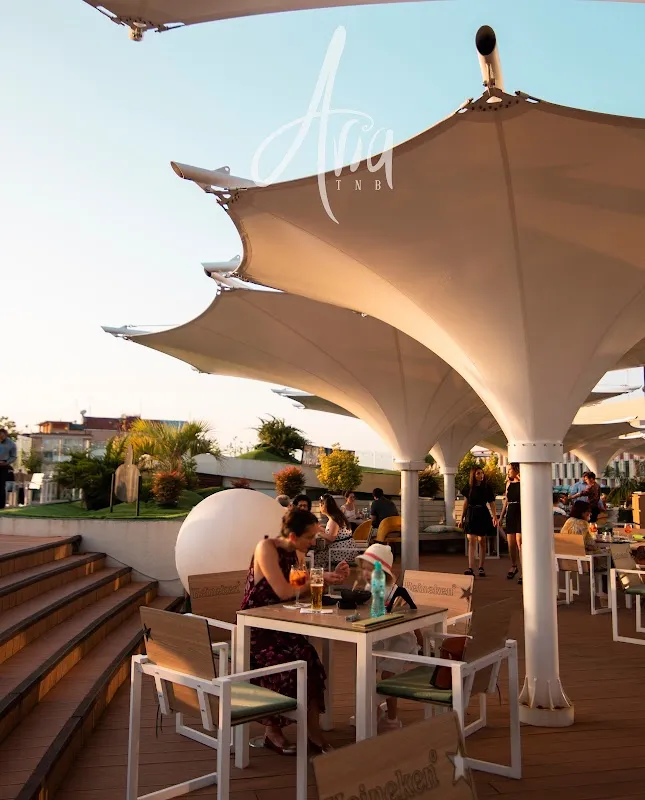 Aria TNB
 Aria TNB
Rooftop bar and restaurant on top of the National Theatre, with a spacious outdoor terrace and views over central Bucharest. More casual than other rooftops, popular for weekend brunch and evening cocktails.
A Glimpse into the Past
The University of Bucharest building designed by Alexandru Orascu, circa 1900 -- the neoclassical heart of the academic quarter
Photo: Unknown author · Public domain · Wikimedia Commons
University Square in the interwar period -- the vibrant heart of intellectual Bucharest, framed by grand architecture
Photo: Unknown author · Public domain · Wikimedia Commons
University Square from another angle in the interwar period -- the boulevard already buzzing with trams and automobiles
Photo: Unknown author · Public domain · Wikimedia Commons