Culture & History of Bucharest
Bucharest is a city of contradictions — Belle Epoque grandeur next to brutalist towers, Ottoman ruins beneath modern cafes. These guides explore the stories that shaped it.
Few European capitals have lived as many lives as Bucharest. Within a single century the city was crowned the "Little Paris of the East," flattened by earthquakes and bombings, reshaped by Ceausescu's communist regime, and reborn after the 1989 Revolution. Each era left its mark on the streets, and the result is a layered cultural landscape that rewards anyone willing to look closely. The guides below trace those layers — from the Belle Epoque mansions along Calea Victoriei to the brutalist housing blocks that ring the city center, from the medieval origins on the banks of Dambovita to the contemporary art scene flourishing in former industrial halls.
Start with our story of why Bucharest was called "Little Paris" — a deep dive into the late-19th-century building boom that imported French architects, fashions, and ideas into a city that had only just emerged from Ottoman influence. The Bucharest architecture guide then walks you through six distinct architectural eras, from Brancovenesc churches and Art Nouveau villas to the colossal Palace of the Parliament. Finally, our complete history of Bucharest follows the city from Vlad the Impaler's 1459 fortress through the communist demolitions of the 1980s to today's revival. Read them in order or jump straight to the era that interests you most.
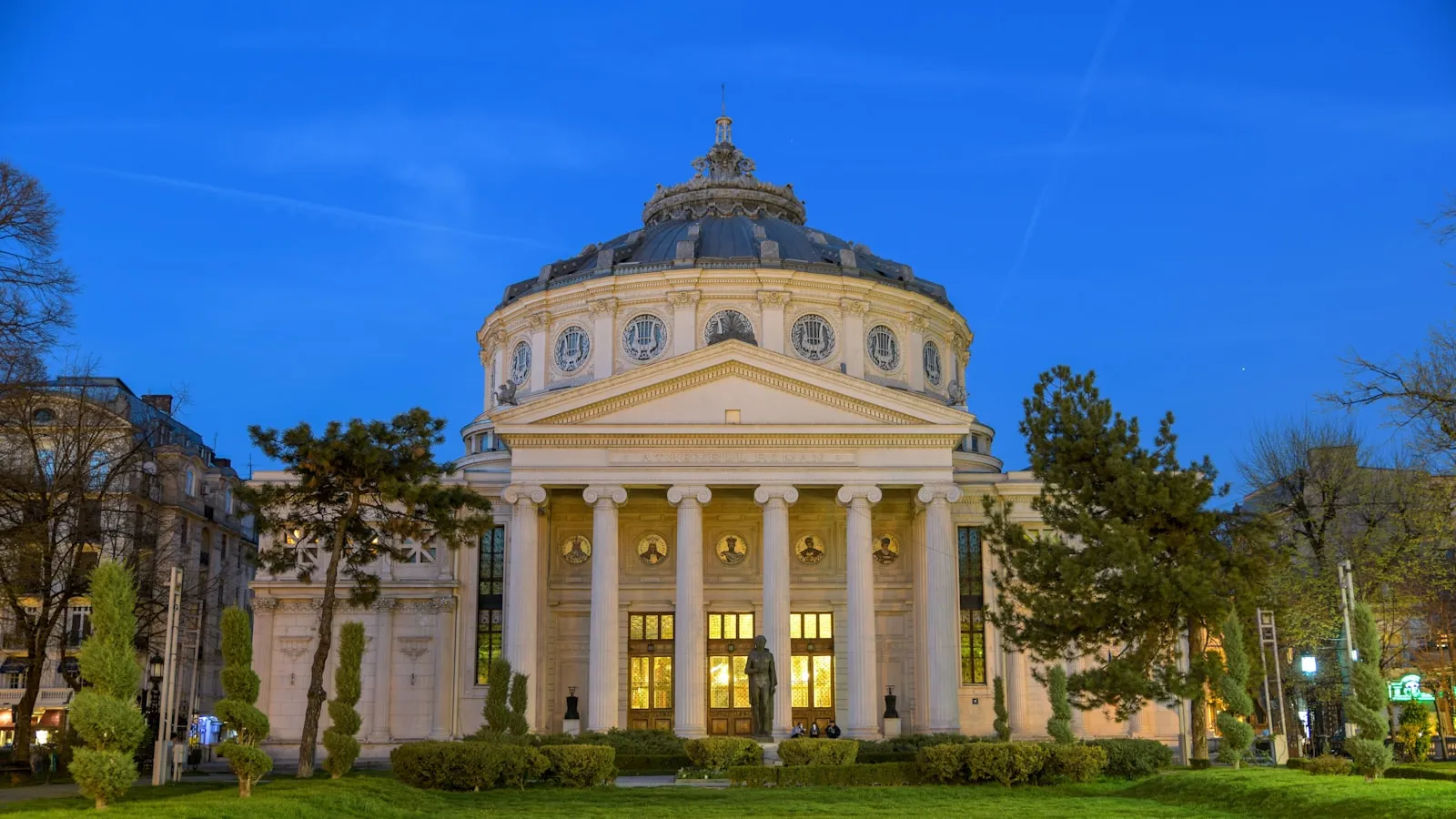
Why Is Bucharest Called "Little Paris"?
The full story of the nickname, the Belle Epoque architecture, and the buildings you can still visit today.
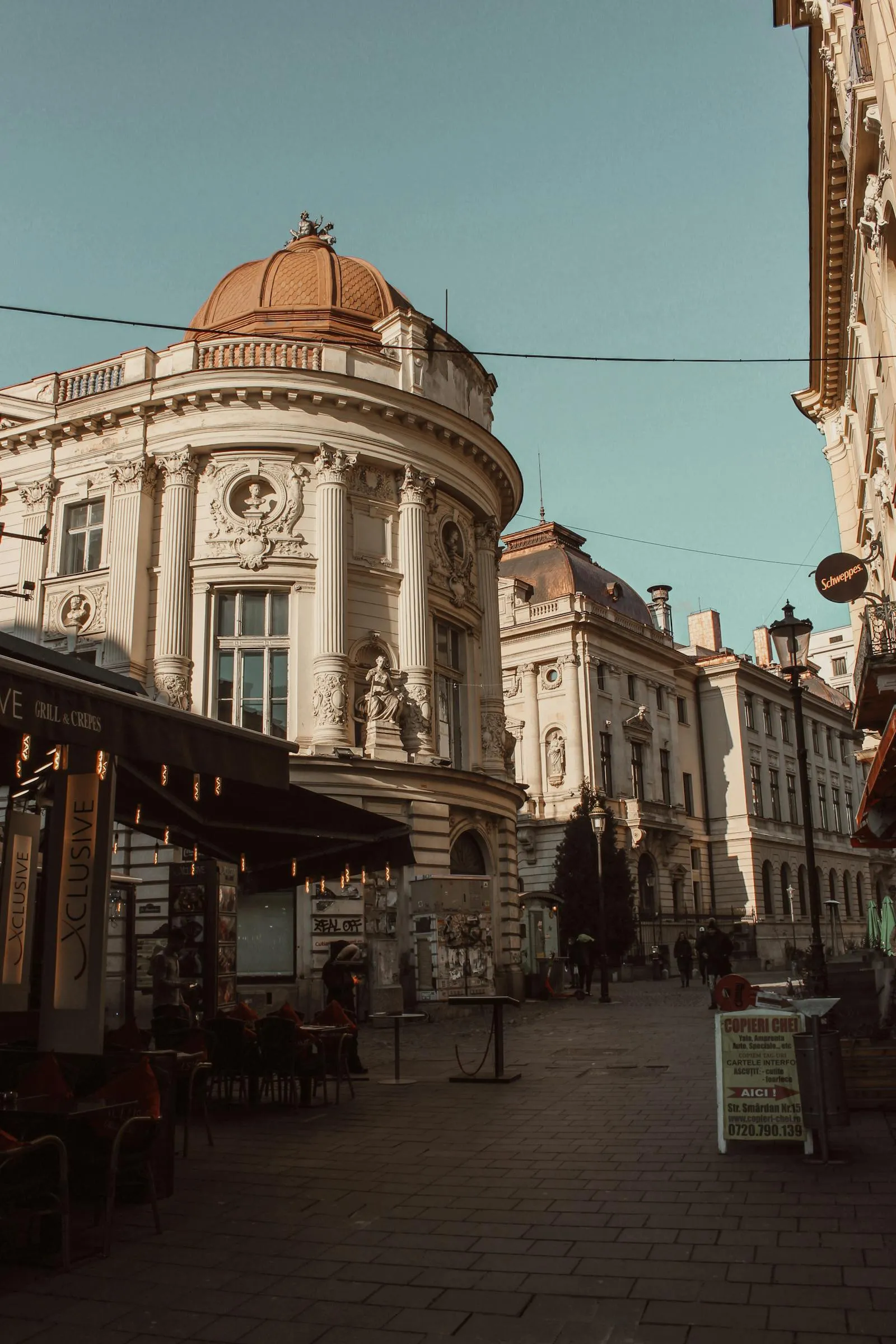
Bucharest Architecture Guide
From Belle Epoque palaces to brutalist giants — 6 architectural eras and the buildings that define the city.

History of Bucharest: From 1459 to Today
From Vlad the Impaler's fortress to communist demolitions and today's revival — a complete, illustrated history.