Prices verified: March 2026
Have more questions about Old Town (Centrul Vechi)? Ask Bucur.History
The first mention of Bucharest dates to 1459 when Vlad III (the Impaler) established his court here. The area served as an important stop along trading routes from the Ottoman Empire south to Leipzig in the north. Originally home to merchants from across the Balkans and Western Europe, it was a melting pot of influences — Ottoman caravanserais, Austro-Hungarian facades, and French-inspired neoclassical elegance.
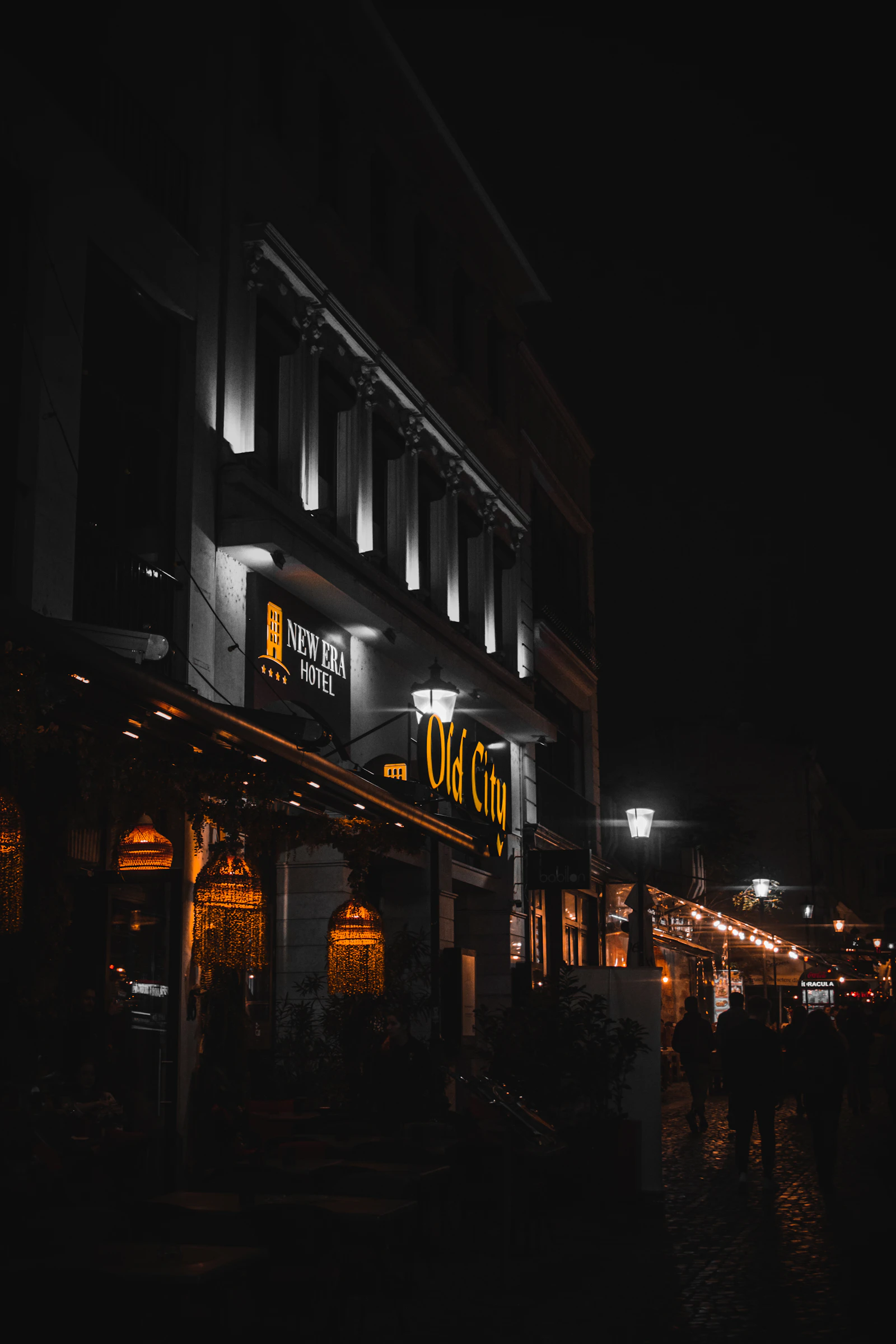
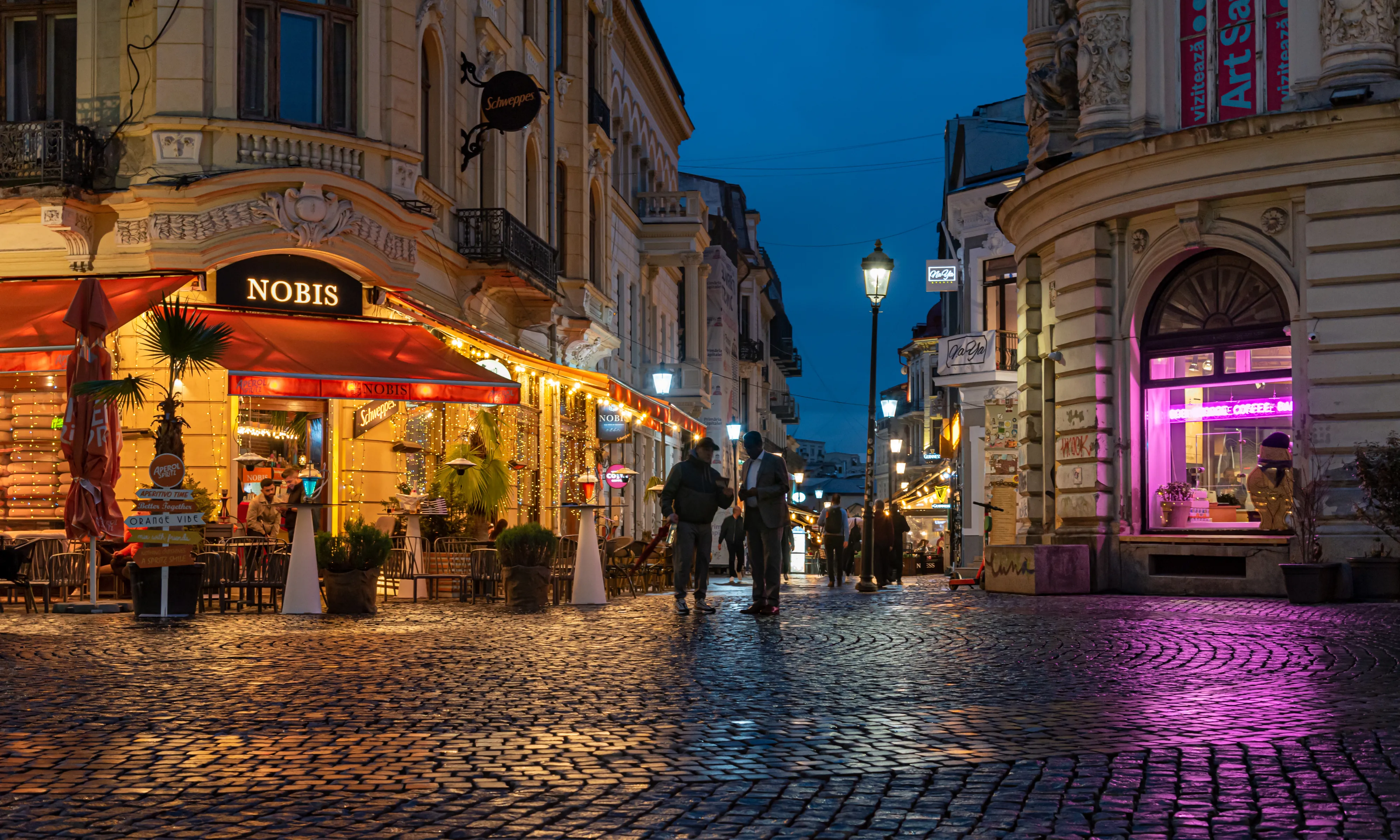
The name Lipscani — the district’s historic spine — comes from the merchants who traveled to and from Leipzig (Lipsca in old Romanian). The Old Town suffered significant damage over the centuries: allied bombing destroyed much in 1944, and one-fifth of the area was cleared for communist-era projects including the Civic Center, Bulevardul Unirii, and the Palace of the Parliament. After decades of neglect, major restoration began in the 2000s, transforming it into a pedestrian-friendly entertainment district while preserving its historic character.
What to See
- Lipscani Street — the historic spine, once a medieval trading street named after merchants from Leipzig
- Carturesti Carusel — a stunning bookshop in a restored 19th-century bank at no. 55 Lipscani, with sweeping staircases and wrought-iron balconies
- Macca-Villacrosse Passage — opened in 1891, a covered arcade with a yellow glass roof casting a golden glow
- Hanul lui Manuc (Manuc’s Inn) — founded in 1808, it hosted the 1812 Treaty of Bucharest negotiations
- Stavropoleos Monastery — a 1724 gem of Brancovenesc architecture
- Curtea Veche (Old Princely Court) — 15th-century ruins with a Vlad the Impaler bust
- Biserica Curtea Veche — Bucharest’s oldest church
“The Old Town is where Bucharest’s layers show. Ottoman, Habsburg, Belle Epoque, communist, and post-revolution — they are all here, stacked on top of each other in a few square blocks.”
Tips for Visiting
The Old Town is best explored on foot. Car access is very limited in the pedestrian zone.
Timing: Visit during the day for architecture and history, in the evening for atmosphere and nightlife. The area truly comes alive after dark. Weekends can be very crowded, especially in summer.
Safety: Watch for pickpockets in crowded areas. Check restaurant bills carefully — some tourist-facing places may overcharge.
What to wear: The cobblestones can be uneven, so wear comfortable shoes.
Getting there: Metro to Piata Unirii (M1, M2, M3) for the southern edge, or Universitate (M2) for the northern edge.
Is It Worth It?
The Old Town is not optional — it is the heart of the Bucharest experience. Whether you are here for the medieval history, the cafe culture, the nightlife, or all three, you will find it in the Lipscani quarter. Plan at least half a day, and expect to come back.
A Glimpse into the Past
Strada Lipscani around 1900 -- the commercial heart of old Bucharest, named after merchants who traded goods from Leipzig
Photo: Neoclassicism Enthusiast · CC BY-SA 4.0 · Wikimedia Commons
Strada Lipscani near Calea Victoriei, circa 1900 -- buildings no. 19 and 21 visible alongside the once-elegant commercial artery
Photo: Neoclassicism Enthusiast · CC BY-SA 4.0 · Wikimedia Commons
Centrul Vechi / Lipscani area, Sector 3, Bucuresti
Open in Google Maps