Overview
Vatra Luminoasa — “The Bright Hearth” — is one of Bucharest’s quieter residential neighborhoods, tucked between the busier corridors of Soseaua Mihai Bravu and Soseaua Iancului in the eastern part of the city. Built in the 1930s as one of Romania’s first planned working-class housing developments, it retains a low-rise character and an unhurried pace that contrasts sharply with the traffic and commerce that surround it.
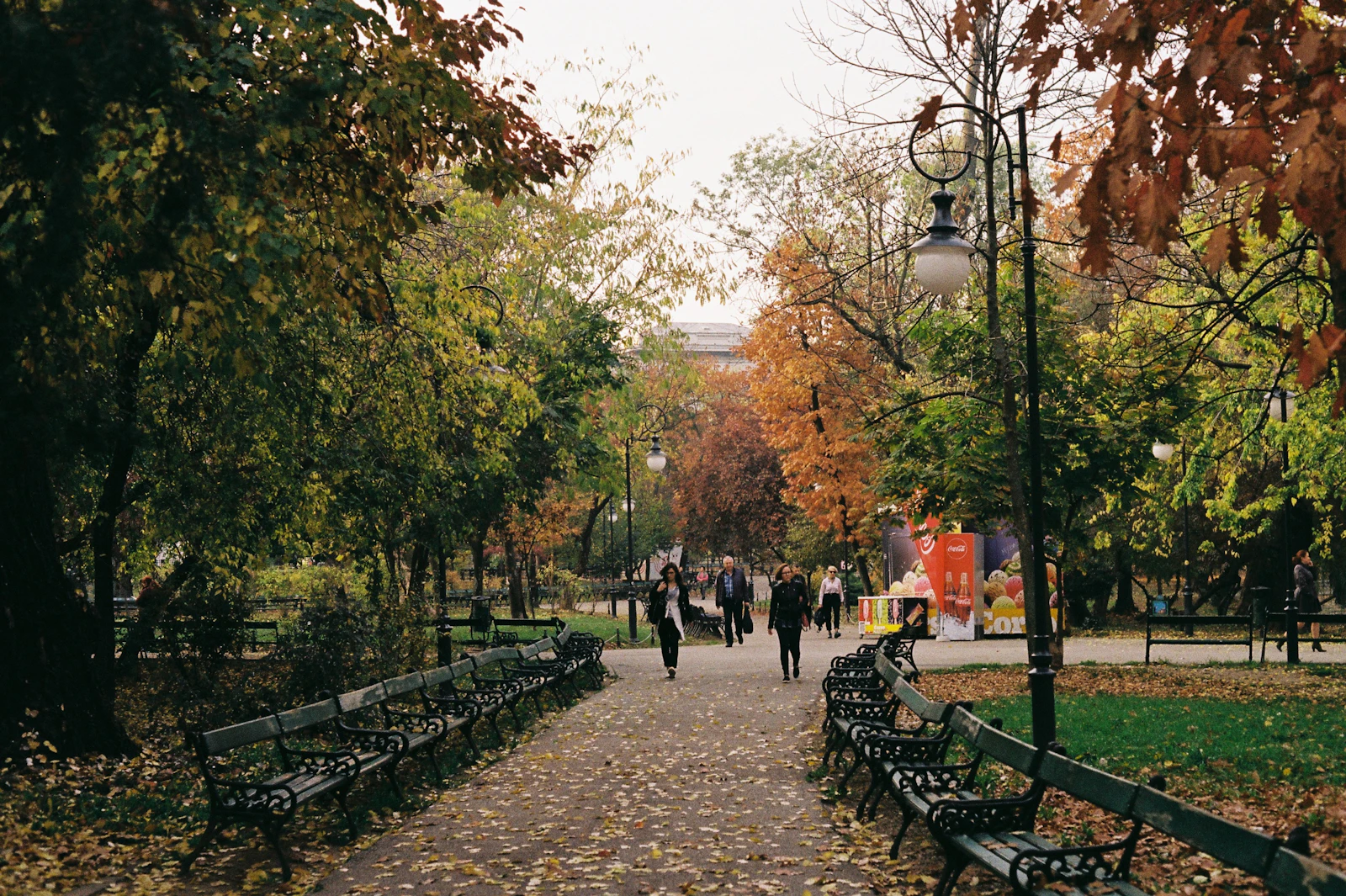
This is not a neighborhood that appears on tourist itineraries, which is precisely its appeal. The streets are narrow and residential, lined with interwar row houses that have evolved over decades with individual modifications. The nearby Parcul National (also known as Parcul IOR) offers green space for walks around the lake and afternoon relaxation. Daily life here is local and authentic — small shops, corner bakeries, and neighbors who greet each other by name.
For visitors who want to understand how most Bucharesters actually live — away from the Old Town crowds and downtown glass towers — Vatra Luminoasa offers an honest glimpse into the city’s residential character. A morning walk through its streets, followed by coffee at one of the specialty cafes that have appeared in recent years, reveals a side of Bucharest that most guidebooks miss.
History
Vatra Luminoasa was developed between 1933 and 1945 as a state-sponsored housing initiative providing affordable homes for working-class and middle-class families — primarily civil servants and employees of state industries, including those from the Ministry of Labor. The architects Ion Hanciu and Neculai Aprihaneanu designed the development, initially drawing on garden-city principles with individual coupled dwellings.
A 1939 legislative change that broadened access to housing loans shifted the project toward a more efficient model: row houses with a small front garden and a compact rear courtyard. This made Vatra Luminoasa one of Bucharest’s first row-house neighborhoods at this scale, eventually totaling around 600 dwellings and housing over 2,000 residents. The architectural style evolved from the then-fashionable Neoromanian idiom toward the cleaner lines of International Modernism. Contemporary residents described it plainly as “cheap housing” — modest, but a significant step up from the overcrowded tenements of central Bucharest.
During the communist period, the neighborhood was largely preserved. Its small houses were neither grand enough to attract the regime’s systematization demolitions nor centrally located enough to justify replacement with apartment blocks — though a ten-story block was erected after the 1977 earthquake, altering a corner of the neighborhood’s skyline.
After 1989, the area saw gradual demographic change as younger families discovered its relative affordability and proximity to central Bucharest. Specialty coffee shops and restaurants have followed them in. But the character remains fundamentally local: Vatra Luminoasa is still a place where neighbors know each other and life unfolds at a human scale.
Architecture
The defining feature of Vatra Luminoasa is its interwar row housing — continuous lines of attached brick dwellings, each with a uniform setback, a small front garden, and a rear courtyard. The original construction used pressed brick with lime-and-cement mortar, fir wood framing, sheet-metal roofing, mosaic flooring, and terracotta heating stoves. The aesthetic moved away from the ornamental Neoromanian style toward a simpler International Modern expression — plain facades, functional layouts, and minimal decoration.
The houses came in two standard types: a smaller layout of about 36 square meters with three rooms, and a larger one of around 56 square meters with five rooms. Over nearly a century, residents have individualized their homes in countless ways: added upper floors, enclosed porches, replaced gates and fences, painted facades in personal color schemes. These modifications give each house a distinct personality despite the standardized origins.
Along the neighborhood’s edges, particularly on Soseaua Mihai Bravu and Soseaua Iancului, communist-era and post-1989 apartment blocks introduce a different scale. A notable ten-story block, built after the 1977 earthquake, stands out against the prevailing low-rise fabric. But the interior streets remain mostly two stories or less, and the overall human scale of the neighborhood persists.
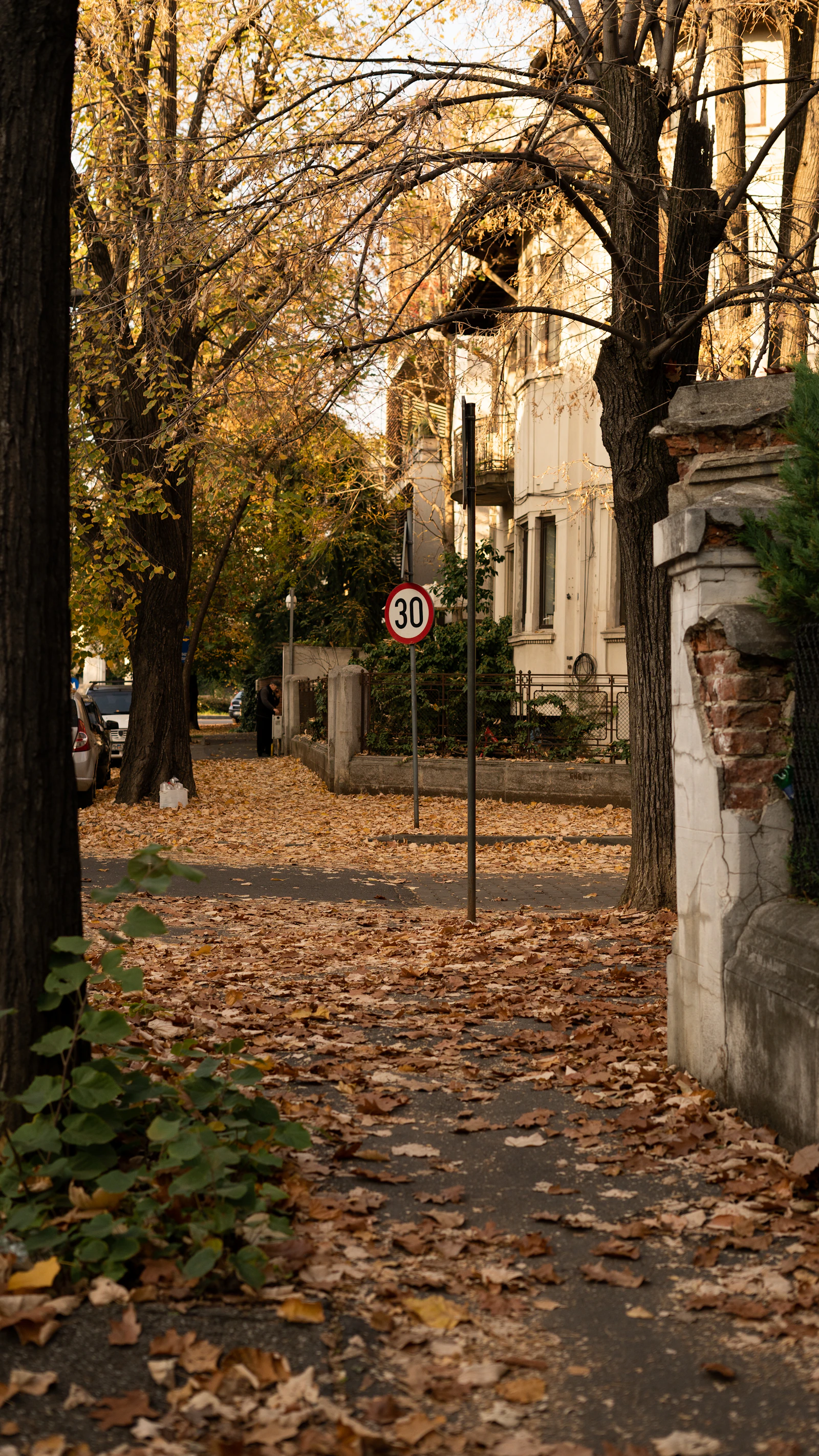
The streets are shaded by mature lindens and other deciduous trees, and the small front gardens — even where original plantings have been paved over for parking — give the area a greener, quieter feel than much of Bucharest. It is an increasingly rare example of interwar residential fabric that has survived, adapted, and remained livable.
Where to Eat & Drink
The food and drink scene in Vatra Luminoasa has grown quietly in recent years, matching the neighborhood’s character: unpretentious, welcoming, and a little surprising. Mediterranean-inspired restaurants sit alongside specialty coffee shops that would hold their own anywhere in Europe. The dining options are concentrated mainly along the borders — Soseaua Mihai Bravu and Soseaua Iancului — with a few gems tucked into the residential streets themselves.
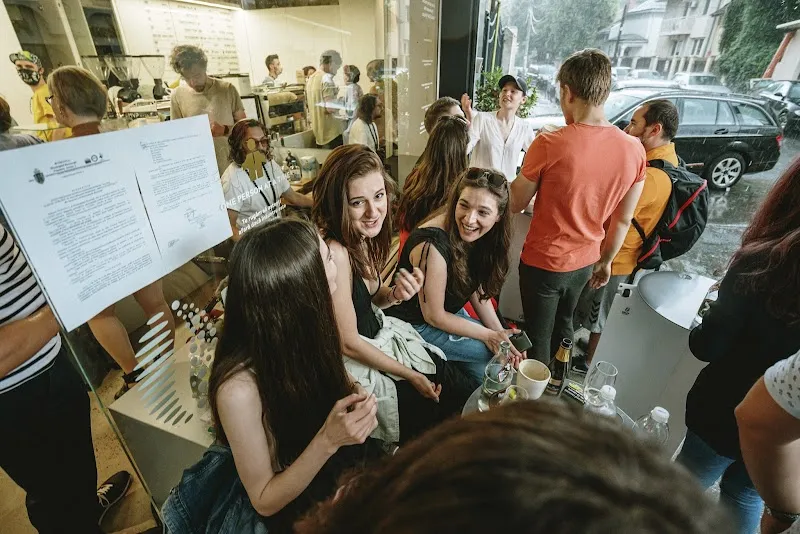
Where to Eat & Drink in Vatra Luminoasa Neighborhood Guide -- History, Dining & Tips | Salut Bucuresti
Our tested picks for restaurants, cafes, and bars
Restaurants
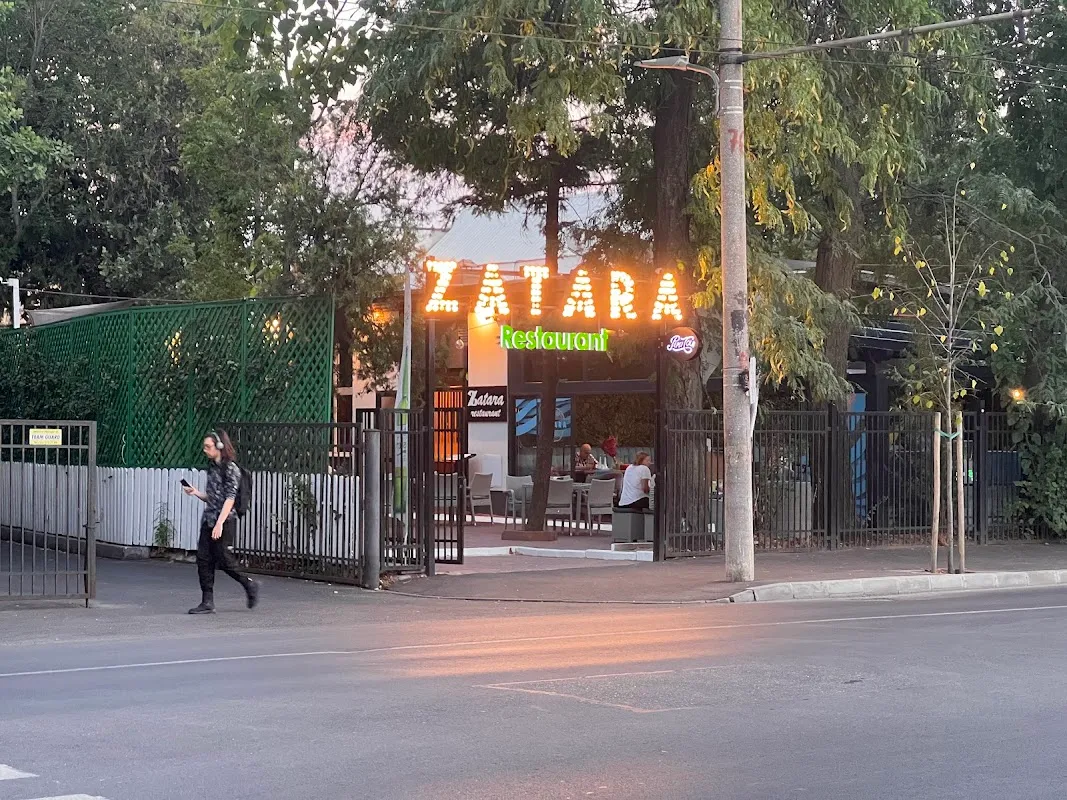 Dragos Voda
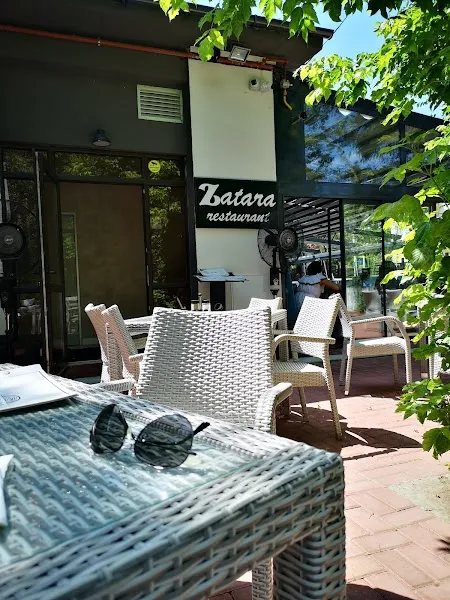
 Zatara Restaurant
Mediterranean-Romanian fusion restaurant with a literary theme inspired by The Count of Monte Cristo. The menu spans French and Italian starters, fresh seafood like octopus and calamari, and hearty Romanian soups. Known for excellent service and surprisingly fair prices.
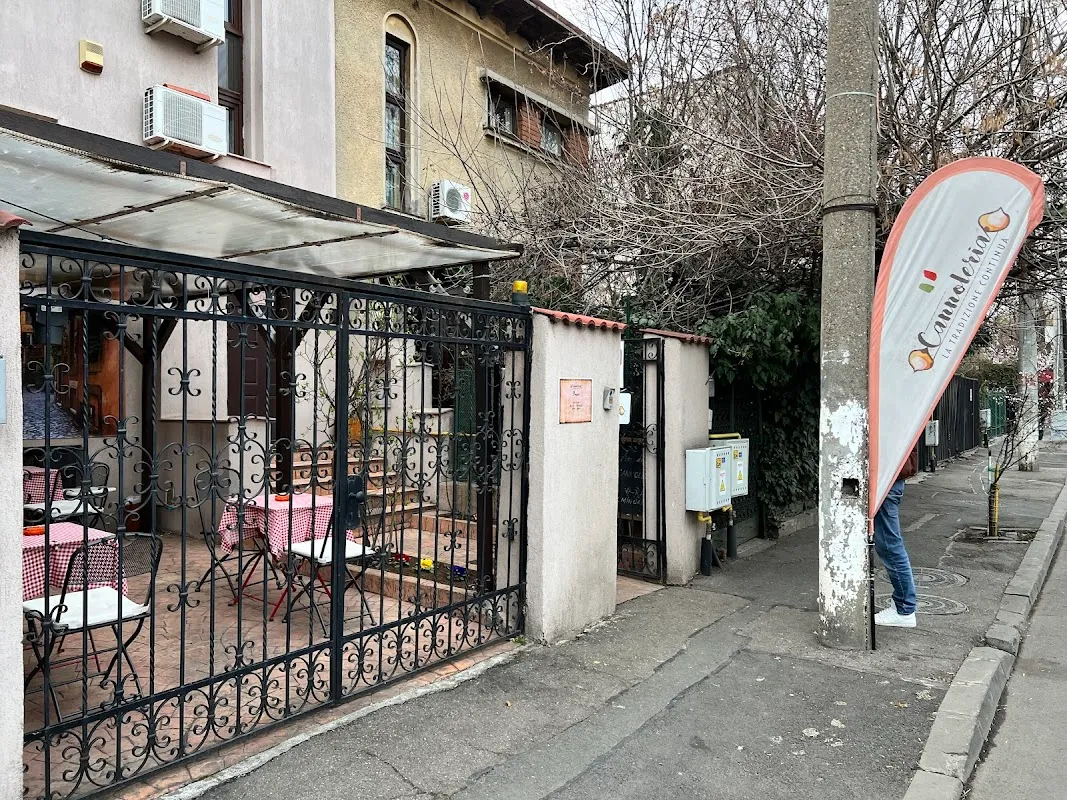 Gordana Teodorescu
 Cannoleria
Cozy Italian spot beloved for its authentic Sicilian cannoli, perfectly cooked pizza and pasta, and irresistible tiramisu. The Vatra Luminoasa outpost of a local chain that takes Italian traditions seriously. Casual atmosphere and gentle prices.
Cafes
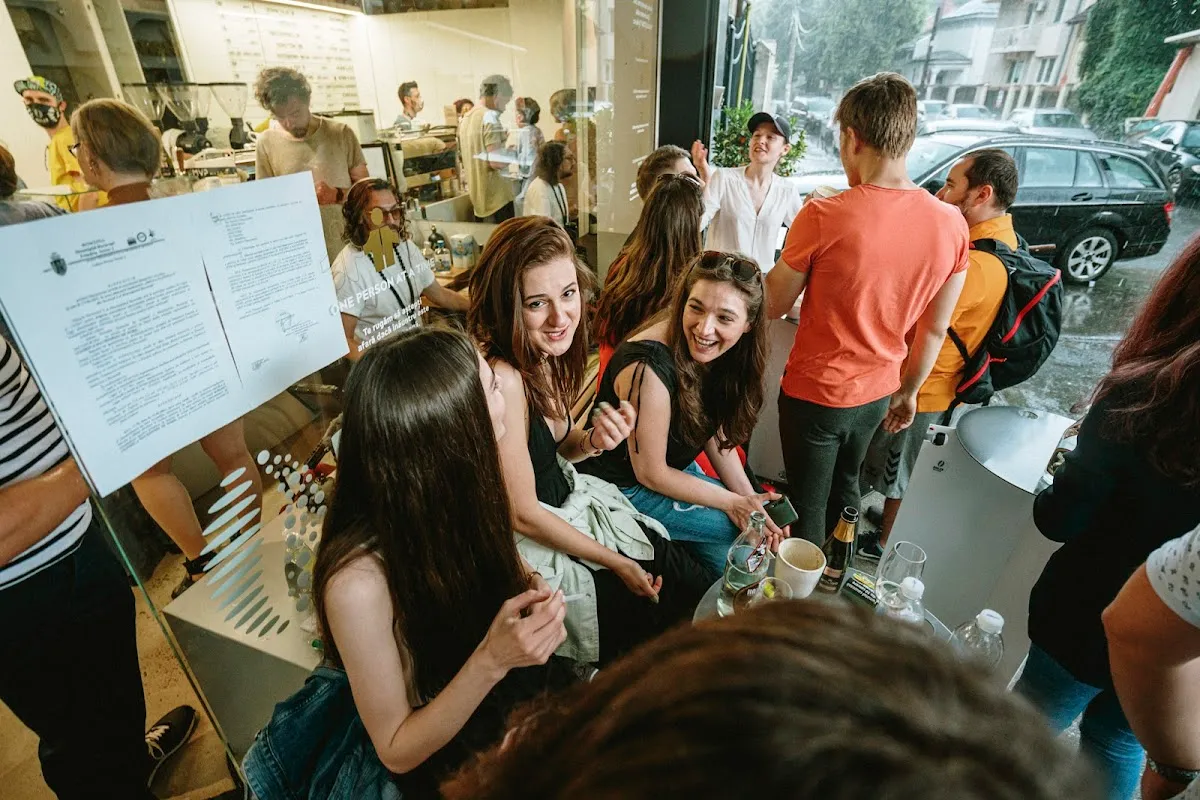 Boiler Coffee Shop
 Boiler Coffee Shop
One of Bucharest's most respected specialty coffee shops, featured in the European Coffee Trip guide. A San Francisco-meets-Tokyo aesthetic with baristas who treat each cup as an exploration of origin and flavor. Prices reflect the quality.
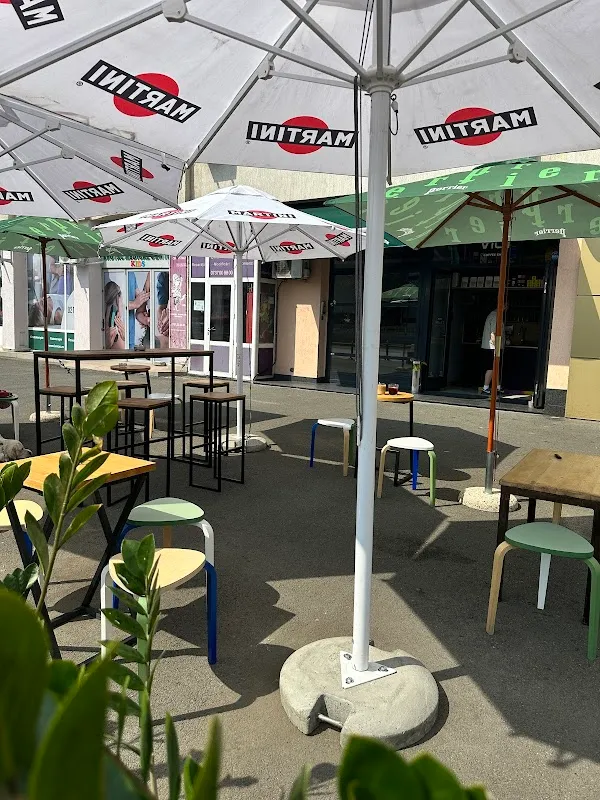 Vicii Coffee Shop
 Vicii Coffee Shop
A neighborhood coffee shop with a perfect rating and a playful name -- 'vicii' means 'vices' in Romanian. Bright, welcoming, and frequented by locals from the surrounding blocks. A good first stop before exploring the neighborhood.
Bars
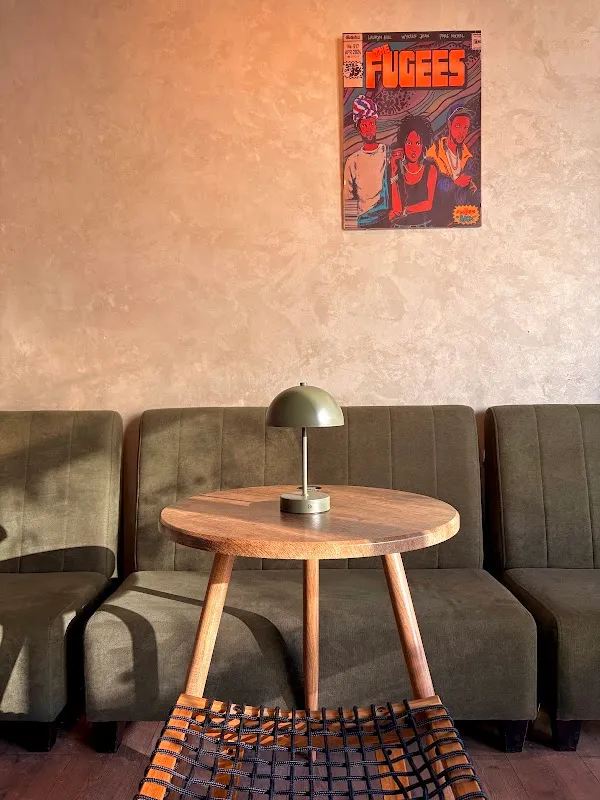 Rewind - Record Café-Bar
 Rewind Cafe-Bar & Record Shop
A cafe-bar that doubles as a vinyl record shop -- flip through crates of music while sipping cocktails or craft beer. The kind of hybrid concept that works because it is done with genuine passion. Perfect for an evening that starts relaxed and stays that way.
A Glimpse into the Past
A period newspaper featuring Vatra Luminoasa -- the interwar garden city was one of Bucharest's most ambitious urban planning projects
Photo: Unknown author · Public domain · Wikimedia Commons
Vatra Luminoasa during construction in the 1930s -- the garden city neighborhood was built with uniform family homes surrounded by gardens
Photo: Unknown author · Public domain · Wikimedia Commons
Vatra Luminoasa's characteristic garden-city layout -- family homes with generous green spaces, a model neighborhood inspired by the English garden city movement
Photo: Unknown author · Public domain · Wikimedia Commons