Overview
Titan is where Bucharest lives at scale. This vast residential district in the eastern part of the city is home to hundreds of thousands of people housed in the communist-era apartment blocks that stretch in every direction, punctuated by the green oasis of Parcul IOR (Titan Park) — one of the largest and most beloved parks in Bucharest.
The neighborhood is not conventionally beautiful, and it would be dishonest to pretend otherwise. Row after row of grey concrete apartment buildings line broad boulevards built for a different era’s vision of urban life. But Titan has something that many polished neighborhoods lack: energy. The streets around the metro stations buzz with small shops, bakeries, and fast-food joints. The park fills with joggers, families, and open-air exercise groups. The markets overflow with produce from the surrounding countryside.
For visitors willing to venture beyond the center, Titan offers a raw, unfiltered look at how the majority of Bucharesters actually live. IOR Park alone justifies the trip — a sprawling green space with lakes, walking paths, playgrounds, and the kind of spontaneous social life that makes Bucharest’s parks some of the best in Eastern Europe. Combine it with street food and a ride on the M1 metro line, and you have an afternoon that reveals more about the city than a dozen museum visits.
History
The name Titan comes from a cement factory that once operated in the area during the early 20th century — an industrial origin that set the tone for the neighborhood’s later development. Before the 1950s, this eastern stretch of Bucharest was largely open land with few constructions. At the turn of the century, the site of what is now the park was part of a vast estate owned by I.B. Grueff, a Bulgarian landowner who acquired the land at auction in 1903.
Large-scale residential construction began in the 1950s, when the communist regime, confronting an acute housing crisis, selected the area for intensive development. Large industrial units were built in the vicinity, and the apartment blocks followed to house the workers. Construction continued through the 1970s, producing one of the largest housing estates in southeastern Europe.
The park — now officially named Alexandru Ioan Cuza Park, though locals still call it IOR or Parcul Titan — was created between 1965 and 1970. The acronym IOR comes from Intreprinderea Optica Romana (the Romanian Optical Enterprise), a factory located nearby, not an optoelectronics research institute as sometimes claimed. The park covers approximately 85 hectares and is built around Titan Lake, which is divided in half by a road bridge and contains five small islands.
After 1989, Titan underwent gradual transformation. State-owned apartments were sold to their tenants at nominal prices, creating a neighborhood of small-scale property owners. Commercial spaces opened on the ground floors of apartment blocks, and the area around the metro stations became lively commercial strips. The ParkLake Mall, opened in 2016 adjacent to the park, and other modern developments have added new layers to a neighborhood that continues to evolve beyond its purely functional origins.
Architecture
Titan is, for better or worse, a textbook of communist-era housing architecture. The dominant building type is the bloc — the prefabricated apartment building that was the standard unit of Romanian urban planning from the 1960s through the 1980s. Walking through Titan, you encounter several generations of this building type, each reflecting the evolving (and eventually deteriorating) standards of the Ceausescu era.
The earliest blocks from the 1960s are relatively modest: 4-5 stories with simple facades and reasonable spacing between buildings. Through the 1970s, buildings grew taller (8-10 stories) and more standardized, though construction quality remained decent. The 1980s blocks, built during the austerity that marked Ceausescu’s final years, are the most notorious — taller, more densely packed, and built with inferior materials as the regime cut every possible corner.
Despite these origins, Titan’s blocks have developed a visual character of their own over the decades. Residents have enclosed balconies in a kaleidoscope of different styles and colors, hung air conditioning units, and added satellite dishes, creating an inadvertent mosaic of individual expression on formerly uniform facades. Ground-floor apartments have been converted into shops and cafes, giving street-level variety to the otherwise repetitive forms.
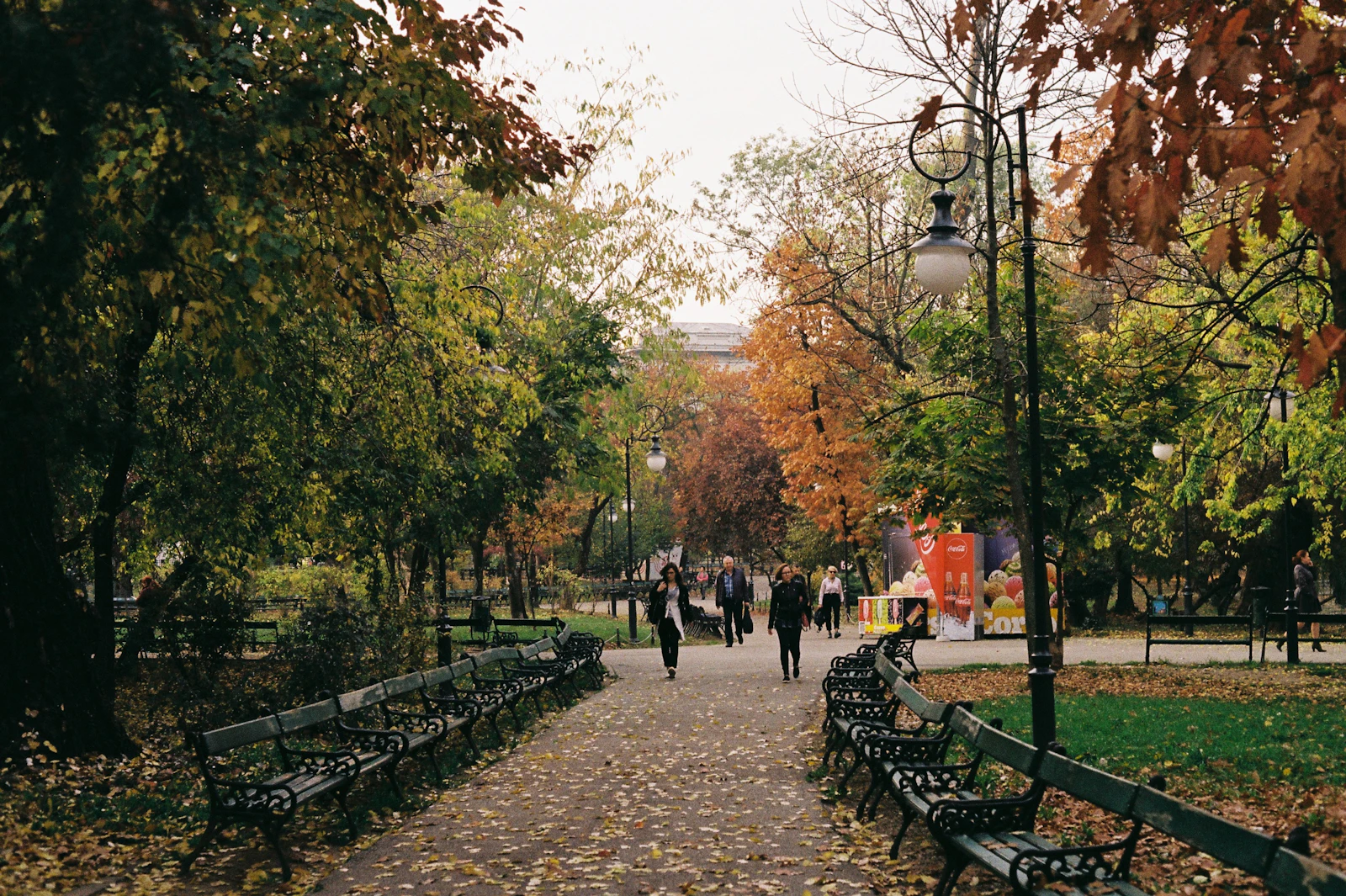
IOR Park provides the major architectural contrast — open green space with mature trees, lakeside promenades, and scattered recreational structures that range from communist-era concrete to more recent renovations. Several new residential and commercial developments around the park’s edges represent the latest chapter in Titan’s ongoing evolution.
Where to Eat & Drink
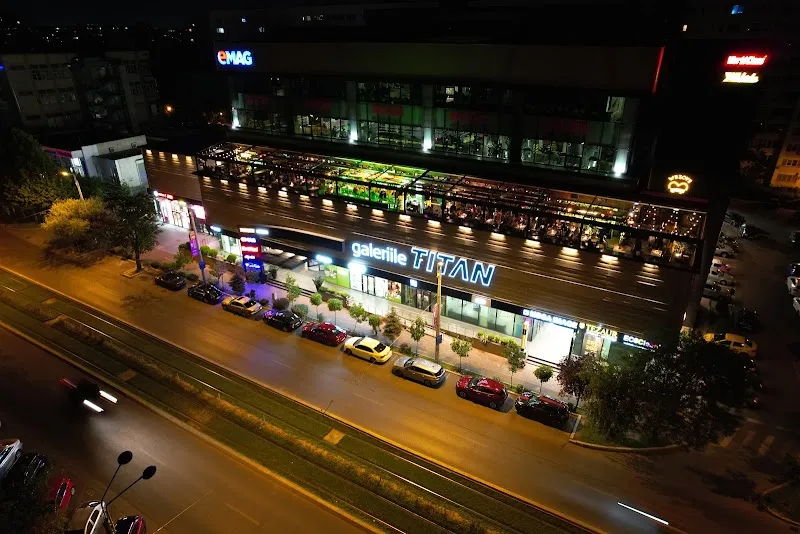
Titan’s food scene is honest, affordable, and unpretentious. This is a neighborhood where eating out means grabbing a shaorma from a corner stand, sitting down at a neighborhood bistro, or enjoying grilled meats at a local pub on a summer evening. Specialty coffee has arrived via dedicated shops like Kohi Grigorescu, and bistros like Mignon and Green Bistro add contemporary options, but the predominant character is neighborhood dining at neighborhood prices.
Where to Eat & Drink in Titan Neighborhood Guide -- Parks, Street Food & Tips | Salut Bucuresti
Our tested picks for restaurants, cafes, and bars
Restaurants
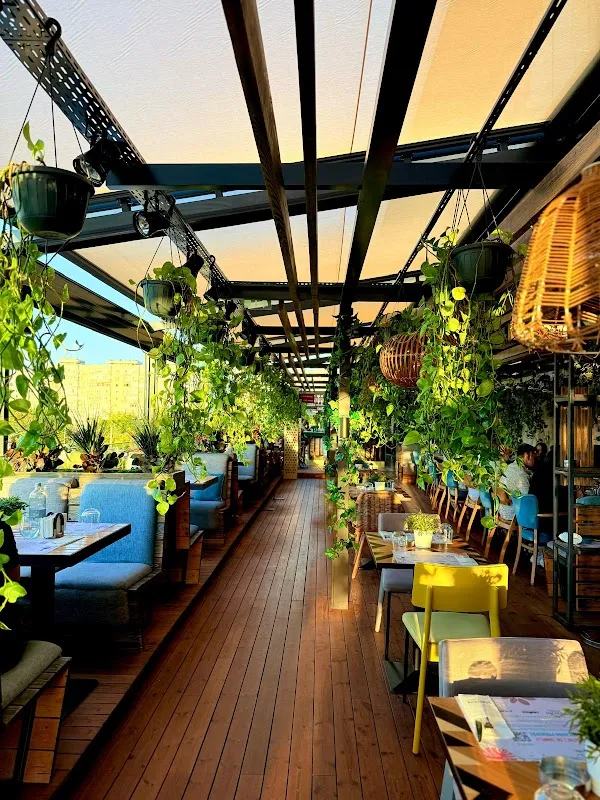 KLANdestin
 KLANdestin
One of Titan's most popular restaurants, set on Strada Liviu Rebreanu near ParkLake Mall. A well-rounded menu of international and Romanian dishes in a stylish, modern interior that draws crowds from the surrounding blocks.
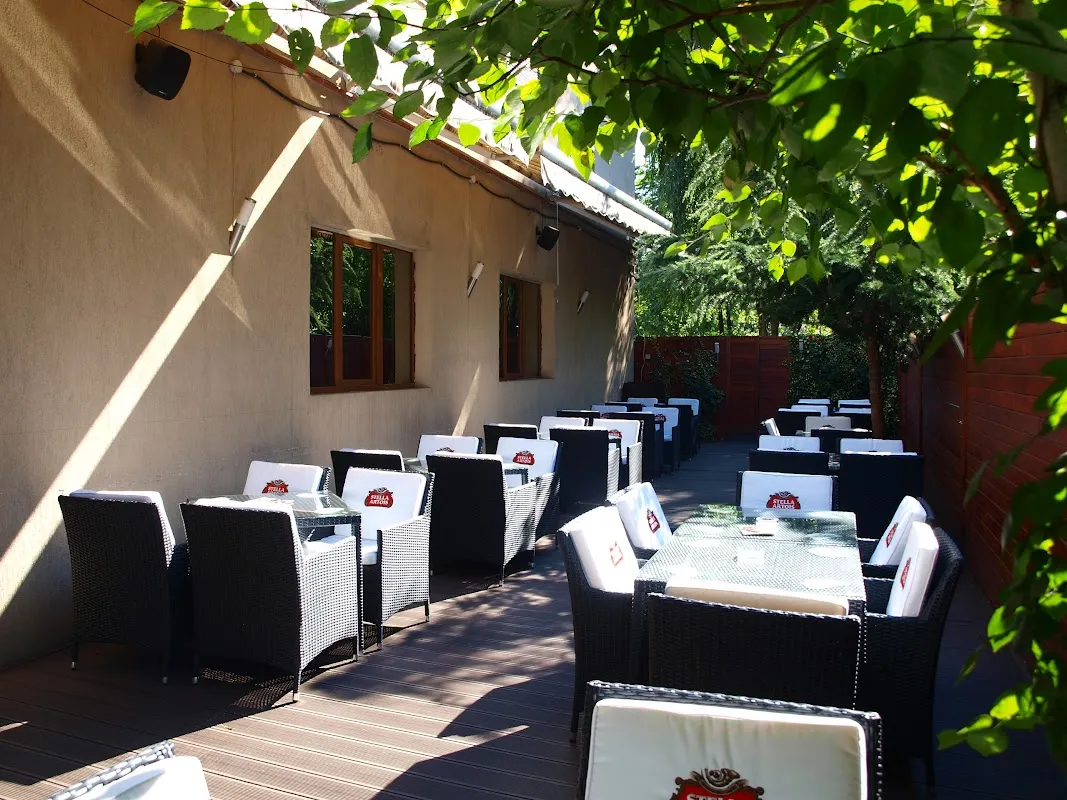 Mignon Bistro
 Mignon Bistro
A neighborhood bistro on Bulevardul Nicolae Grigorescu with a loyal local following. Solid European comfort food, well-executed dishes, and a pleasant terrace for warmer months.
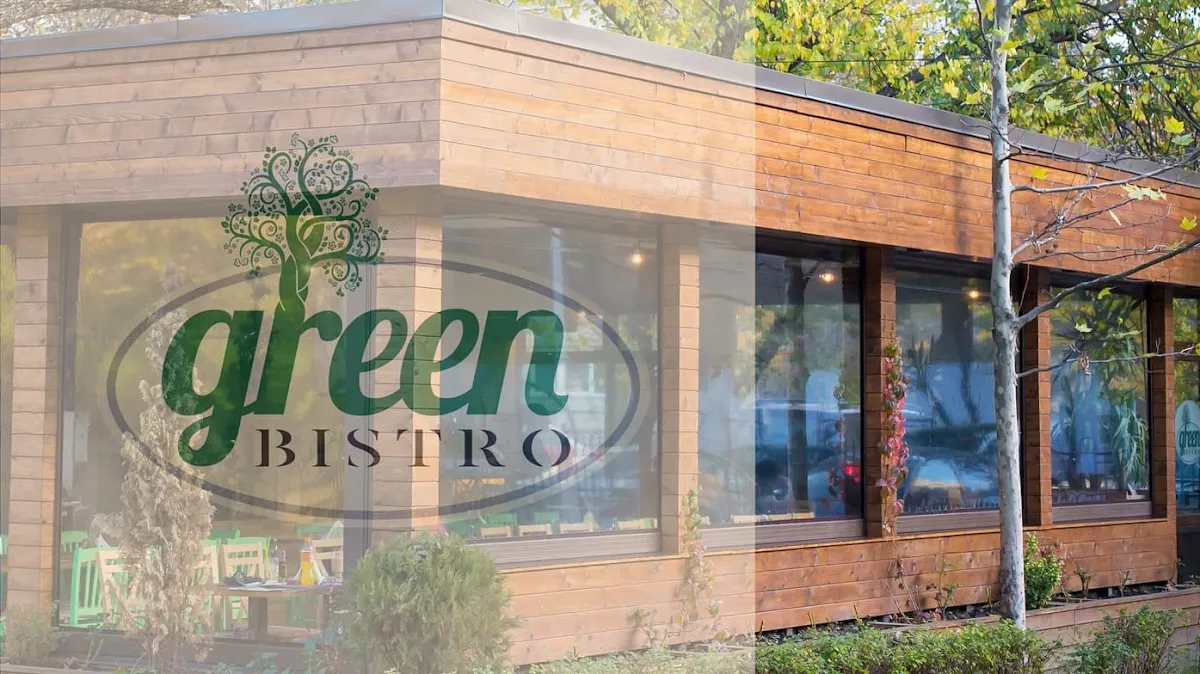 Green Bistro
 Green Bistro
A charming restaurant set in Parcul Gheorghe Petrascu, offering a leafy, park-side setting that feels removed from the surrounding blocks. Fresh, well-prepared food in a relaxed atmosphere.
Cafes
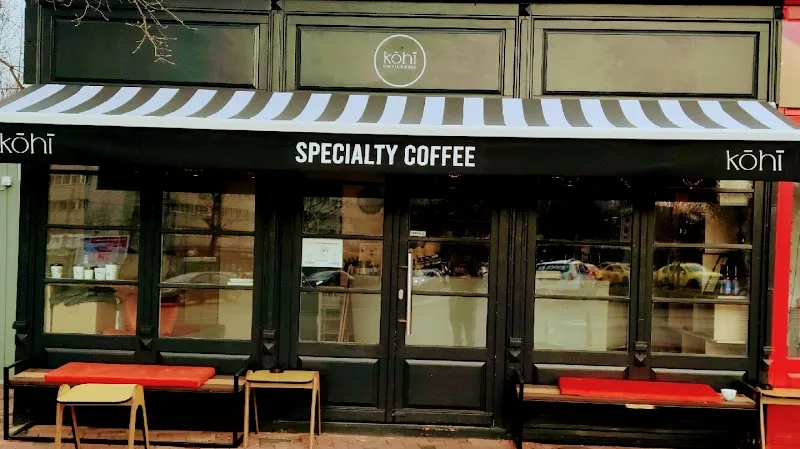
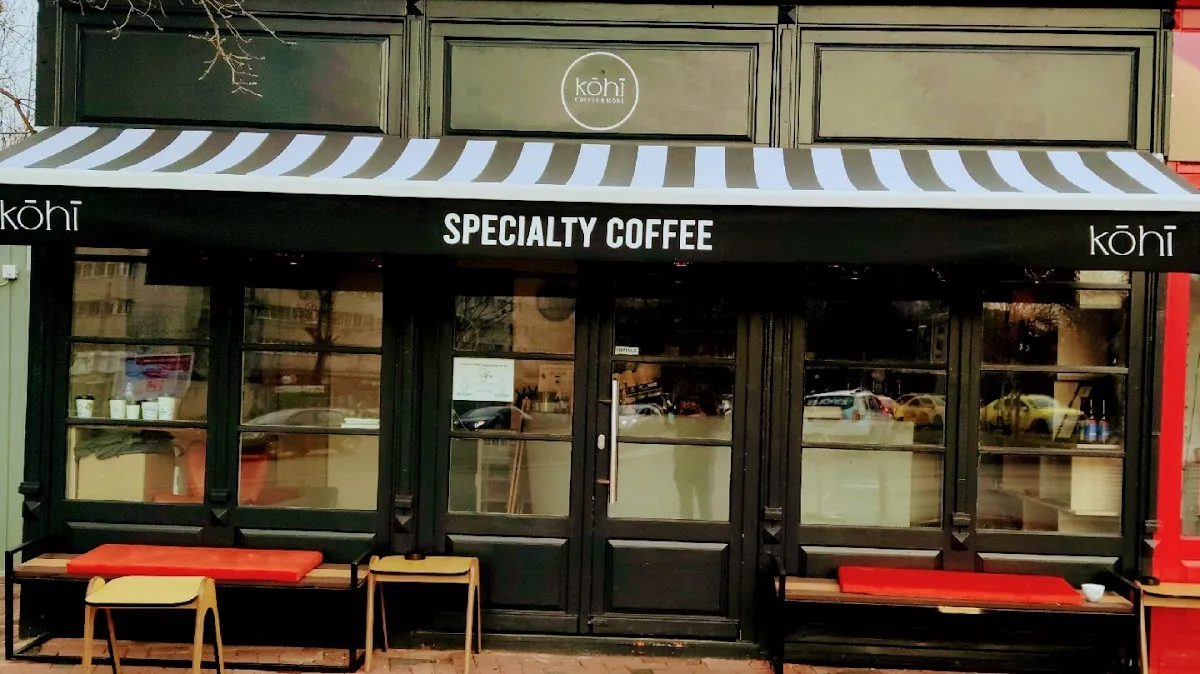 Kohi Bucharest
 Kohi Grigorescu
A specialty coffee shop on Bulevardul Nicolae Grigorescu that has become a genuine neighborhood anchor. Excellent espresso drinks, a warm interior, and the kind of dedicated baristas that coffee enthusiasts seek out.
Bars
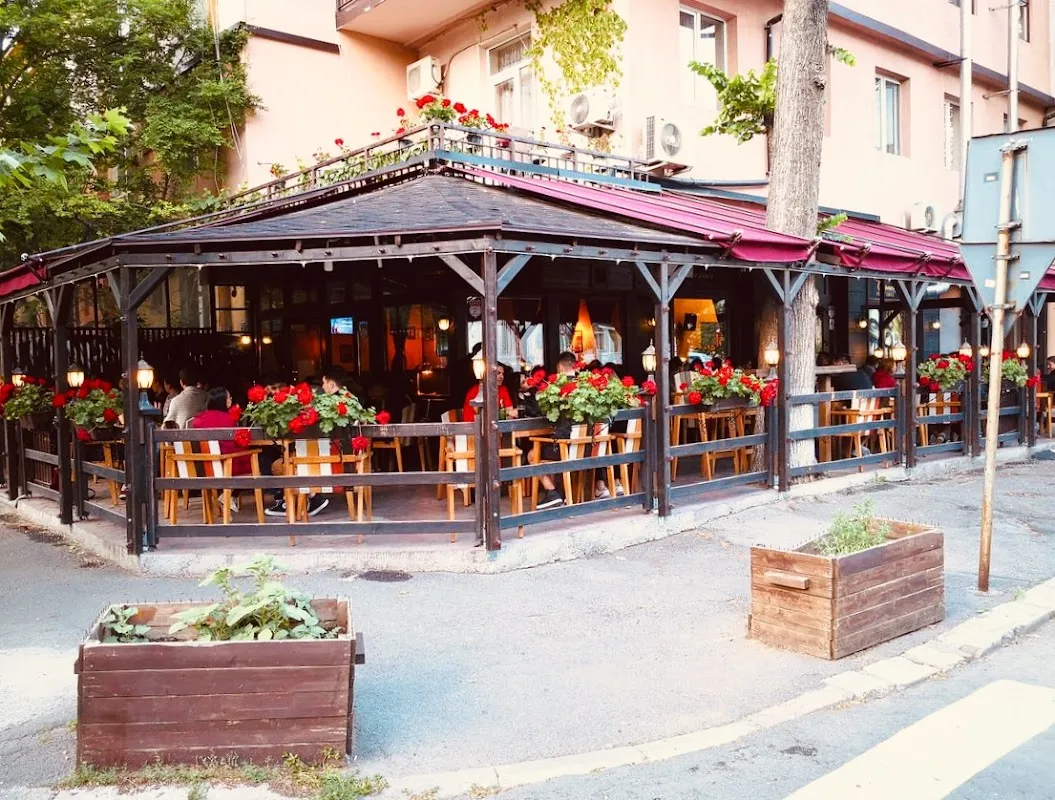 Victor G.
 Corner Pub & Grill
A friendly neighborhood pub on Strada Fildesului, popular for cold beers, grilled meats, and watching matches on the big screens. The kind of unpretentious local hangout that embodies Titan's social life.
A Glimpse into the Past
The Balta Alba - Titan area with its signature park -- this massive 1960s-70s housing district was built on former marshland
Photo: Mad Mike 3000 · CC BY-SA 2.0 · Wikimedia Commons