Overview
Obor is where tourist Bucharest ends and real Bucharest begins. Centered around one of the city’s oldest and most beloved outdoor markets, this working-class neighborhood in Sector 2 is loud, colorful, and completely authentic. There are no Instagram-ready facades here, no craft cocktails, no English-language menus. What you get instead is the genuine daily life of the capital — and some of the best food in the city.
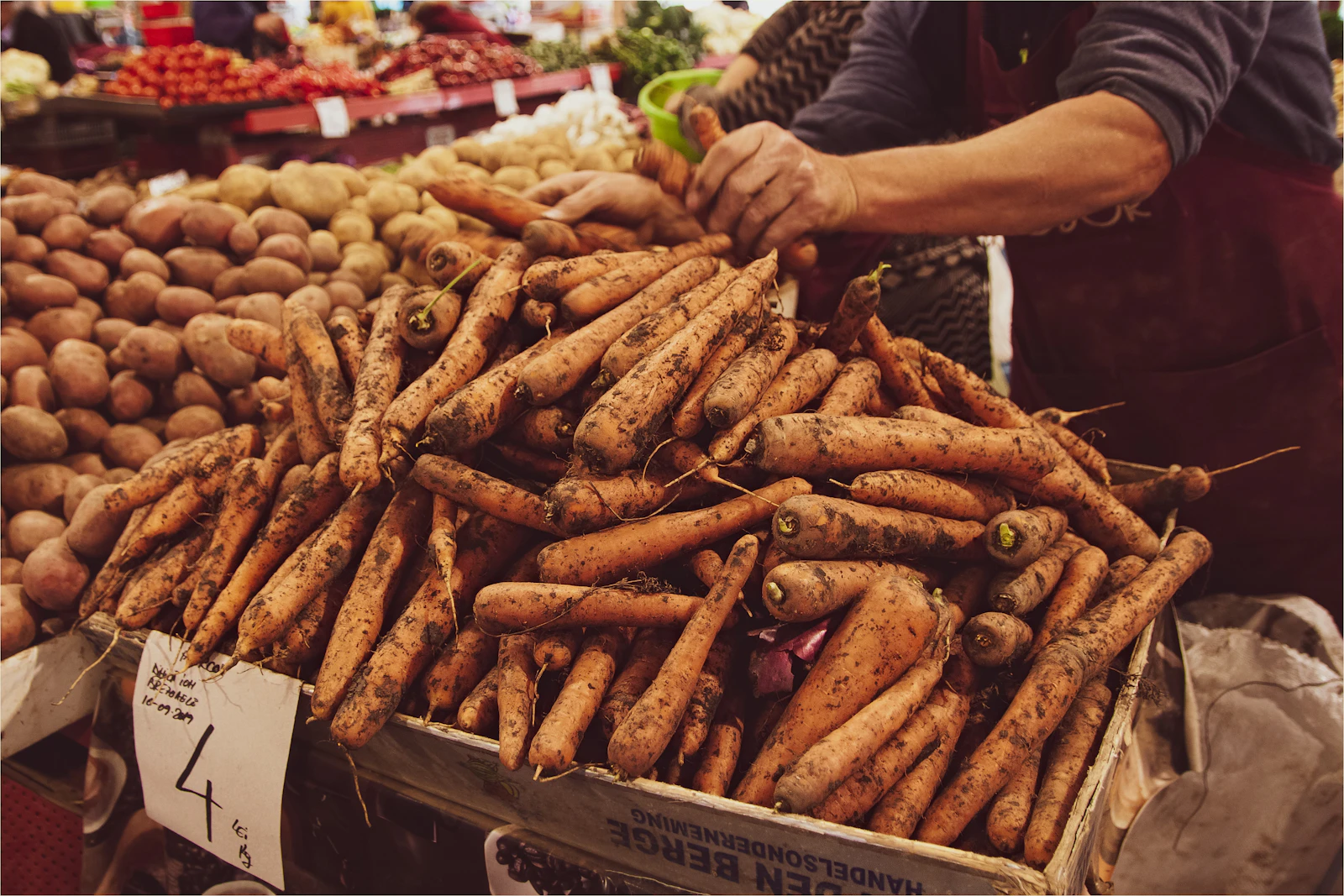
Piata Obor is the main attraction, and it is extraordinary. Vendors sell everything from fresh produce and homemade cheese to household goods and clothing. The market terraces serve the best mici (grilled skinless sausages) in Bucharest — a claim most locals will not dispute. The indoor market hall, Halele Centrale, adds specialty butchers, fish sellers, bakeries, and wine merchants.
Beyond the market, the surrounding neighborhood is a lively residential area that has increasingly attracted younger residents and small businesses, drawn by relatively affordable rents and a strong sense of community. It is not a neighborhood you would choose for its architecture or nightlife, but for anyone interested in how Bucharest actually functions beyond the tourist zone, Obor is essential.
History
The history of Obor is inseparable from the history of its market. Trading activity at this site dates back to the 17th century, when “Targul Mosilor” — a fair probably started to commemorate Wallachian soldiers who had died in battle against the Turks, or according to some researchers, linked with the Roman cult of the dead — drew merchants and buyers from across Wallachia. The fair was held twice a week and became one of Bucharest’s most important commercial events.
The name “Obor” derives from the Old Romanian word for an enclosure or corral — a reminder that this was originally a livestock market where animals, grain, and produce changed hands. The interwar period saw the gradual shift in naming, as Targul Mosilor gave way to simply “Obor.” Located outside the old city limits, the site had a darker history as well: during the 18th century, public executions were carried out here on market days, Wednesdays and Saturdays. The gallows remained active until 1823, when Prince Grigore Ghica banned public executions, though the wooden structure was only dismantled in 1870.
The interwar period brought a major modernization: the Halele Obor, a Modernist market hall designed by architects Horia Creanga and Haralamb Georgescu, was built in 1936. During the communist era, Piata Obor remained one of the few markets where small-scale private commerce continued, preserving both commercial traditions and the market’s social function.
The modern Piata Obor market was reopened on October 2, 2010, following extensive renovation. The Veranda Mall shopping center opened across the street, but the outdoor market and its terraces remain authentically unchanged — a living connection to centuries of Bucharest commerce.
Architecture
Obor’s architecture is unpretentious and functional. The neighborhood is predominantly composed of communist-era apartment blocks — standard-issue concrete buildings from the 1960s through 1980s that house the area’s working-class population. These buildings lack the architectural distinction of interwar villas or the modern polish of new developments, but they create the dense, lived-in streetscape that gives Obor its character.
The market complex is the most architecturally interesting feature. The original Halele Obor, designed in the Modernist style by architects Horia Creanga and Haralamb Georgescu in 1936, set a standard for functional market architecture in Bucharest. The current indoor hall combines industrial-scale design with practical elements — high ceilings, ample natural light, and efficient layouts that facilitate commerce. The outdoor market areas are more improvisational, with vendor stalls, temporary structures, and the organic spatial organization that evolves naturally in markets around the world.
The Veranda Mall, completed opposite the market, introduces contemporary commercial architecture to the area. The contrast between the mall’s clean modern lines and the market’s organic messiness captures the neighborhood’s transition between traditional and modern Bucharest.
Where to Eat & Drink
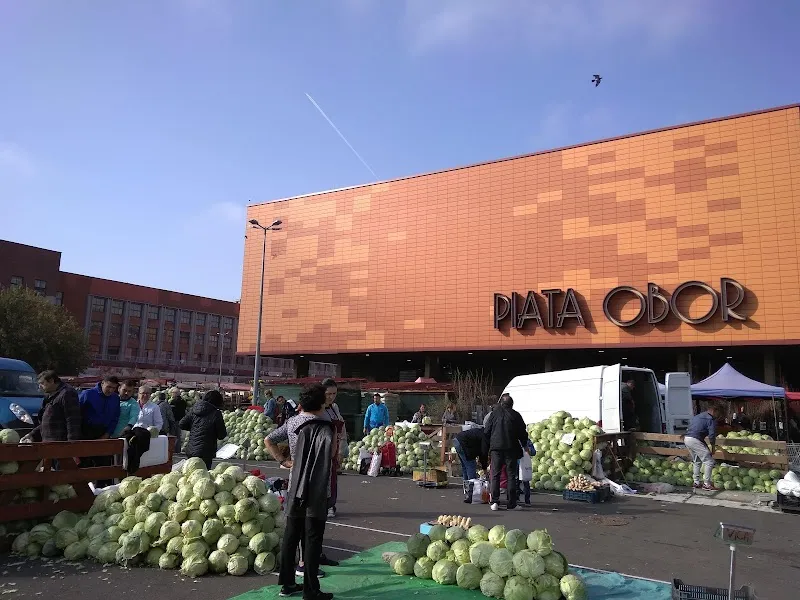
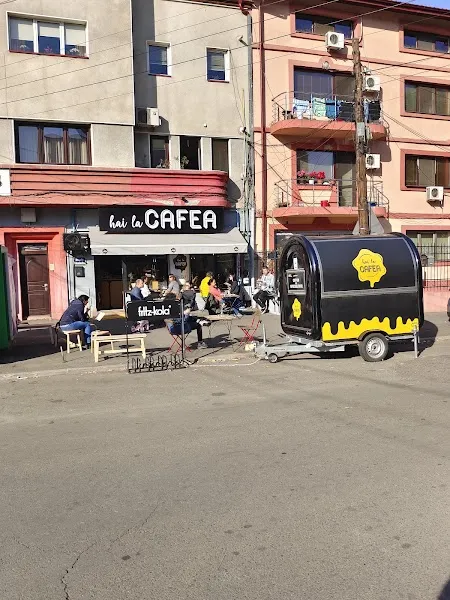
Obor is about one thing above all: the market. Eating here means mici grilled over charcoal at the legendary terraces, fresh cheese from rural producers, seasonal fruit picked that morning, and bread still warm from the oven. Specialty coffee has arrived nearby with gems like hai la CAFEA, and even the bar scene is evolving with spots like OBOR AMOR on Strada Ziduri Mosi. But at its core, this is the raw, unmediated food culture that has sustained Bucharest for centuries.
Where to Eat & Drink in Obor Neighborhood Guide -- Market, Food & Local Life | Salut Bucuresti
Our tested picks for restaurants, cafes, and bars
Restaurants
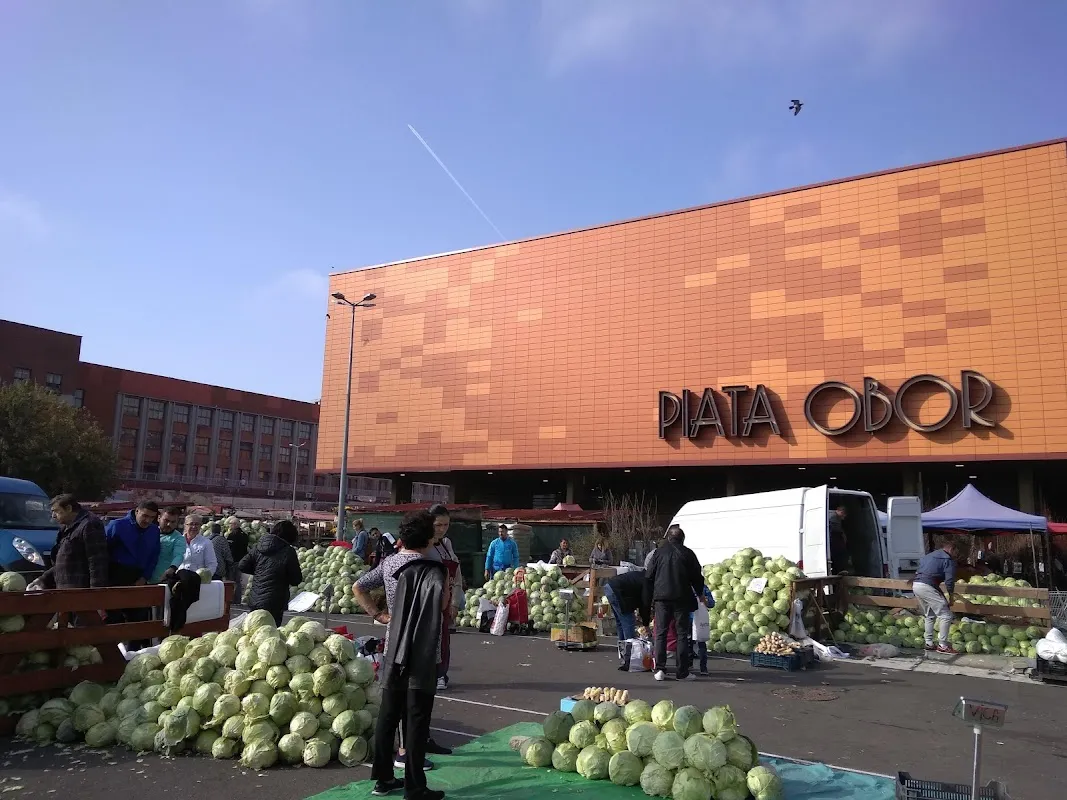 Blanca Cotera
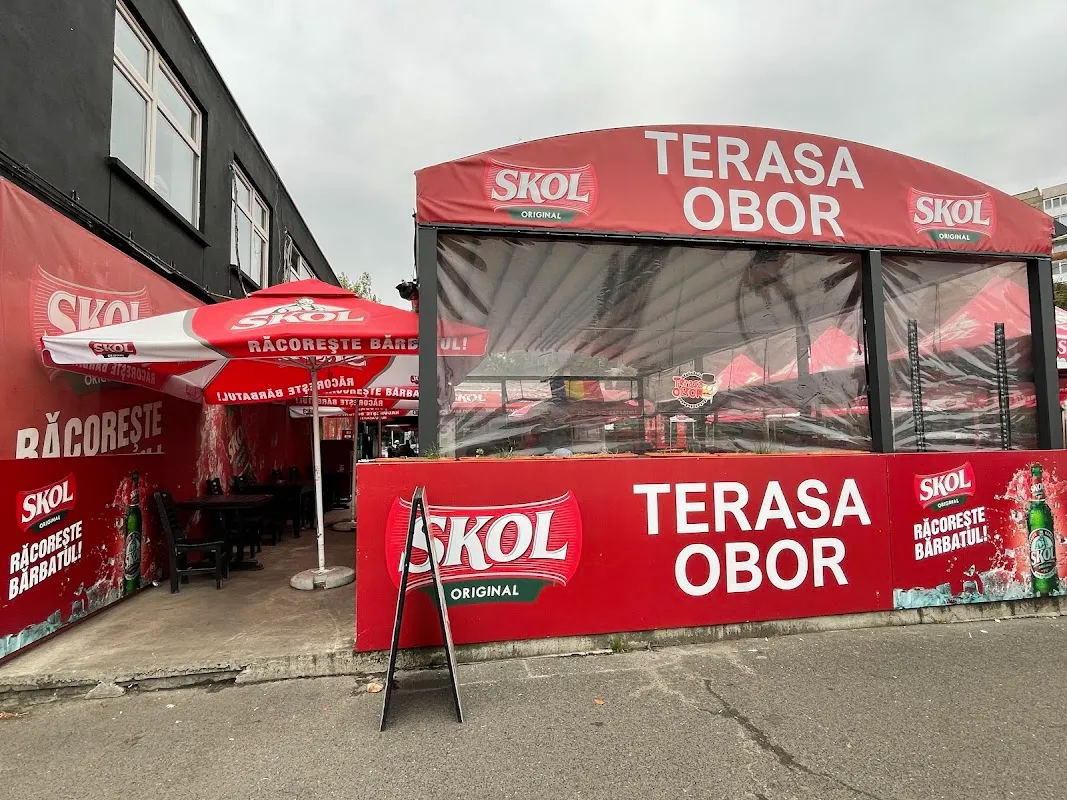
 Terasa Obor
The most famous mici destination in Bucharest, right at the outdoor market. Skinless grilled sausages served with mustard, bread, and cold beer -- the quintessential Bucharest street food experience, unchanged for decades.
 Ted Eckman
 Terasa Obor 2
A second terrace on Strada Ziduri Mosi that rivals the original for quality mici. Charcoal-grilled on the spot, with a slightly more spacious seating area and the same authentic market atmosphere.
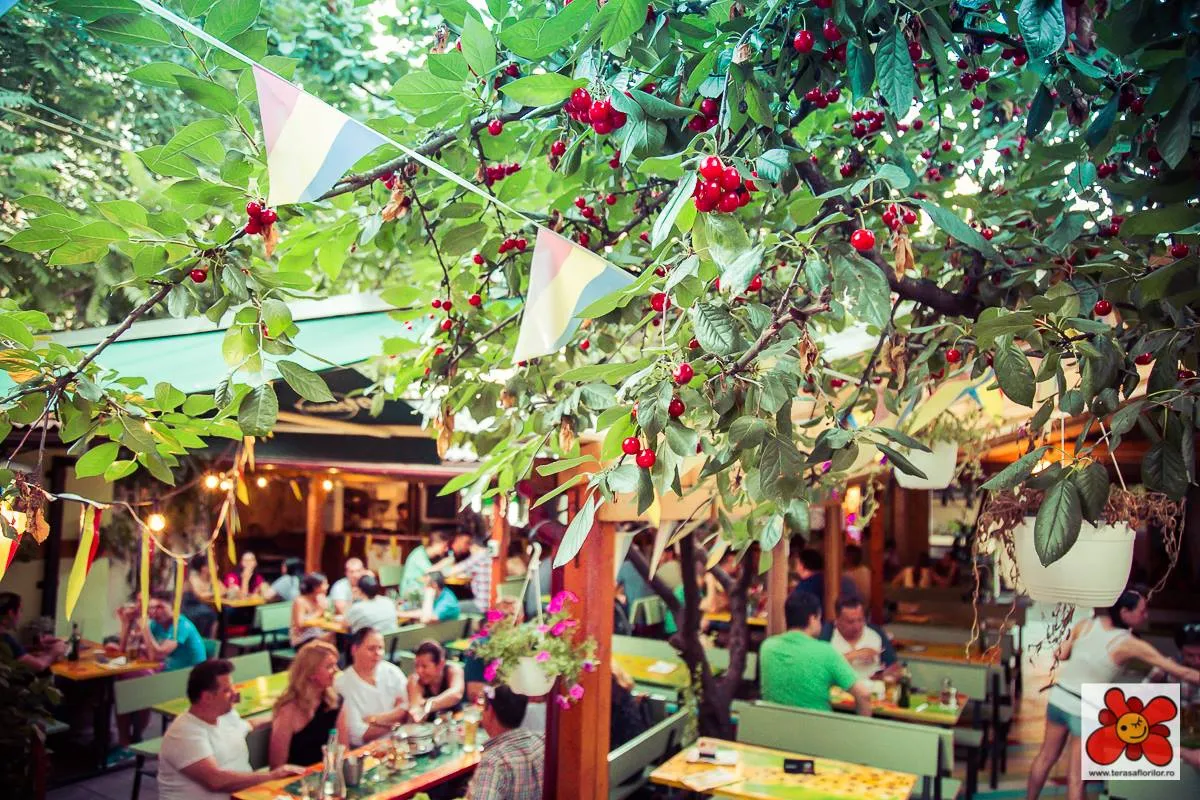 Terasa Florilor
 Terasa Florilor
A well-loved neighborhood restaurant on Strada Profesor Ion Maiorescu, serving hearty Romanian cooking at honest prices. Popular with locals for daily lunch specials and generous portions.
Cafes
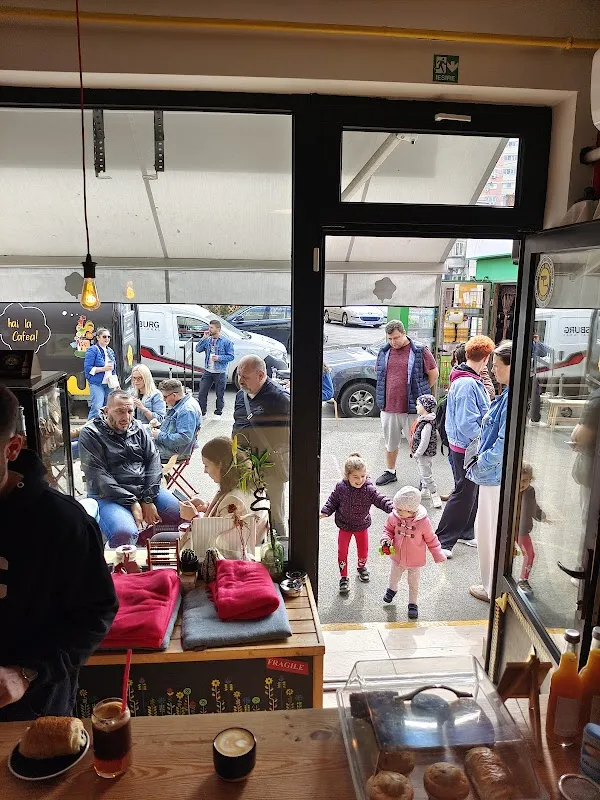 hai la CAFEA
 hai la CAFEA
A specialty coffee gem on Strada Caminului near the market, with passionate baristas and excellent espresso drinks. A bright, welcoming spot that proves great coffee has arrived even in Bucharest's most traditional neighborhoods.
Bars
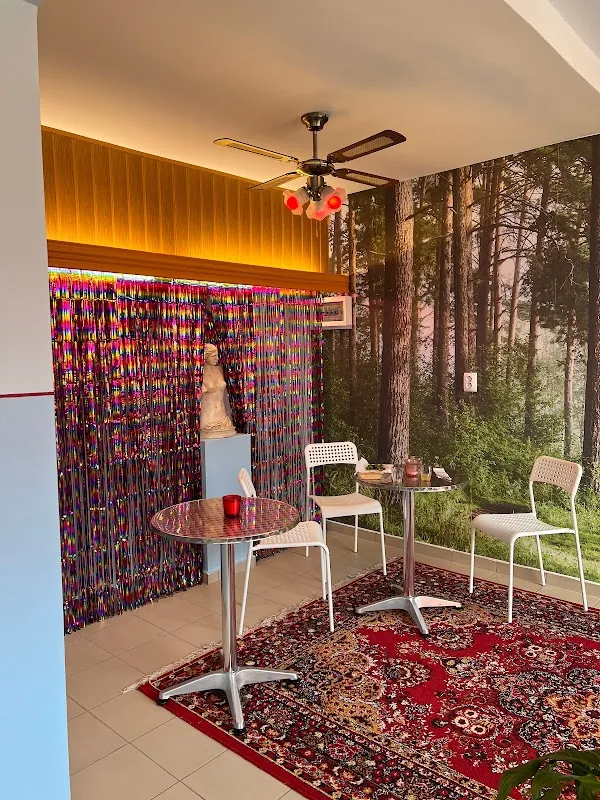 OBOR AMOR
 OBOR AMOR
A hip bar on Strada Ziduri Mosi that brings a contemporary edge to the market neighborhood. Creative cocktails and a relaxed atmosphere in a space that bridges old Obor and new Bucharest.
A Glimpse into the Past
The Obor market area in the Belle Epoque, before 1906 -- one of Bucharest's oldest and most vibrant trading districts
Photo: Frederic Dame · Public domain · Wikimedia Commons
"Coachmen of Obor" by Amedeo Preziosi, 1868 -- capturing the lively atmosphere of the historic market quarter
Photo: Amedeo Preziosi · Public domain · Wikimedia Commons
Bucur Obor department store, 1986 -- the communist-era modernist building that replaced the old market halls
Photo: Scott Edelman · Public domain · Wikimedia Commons