Overview
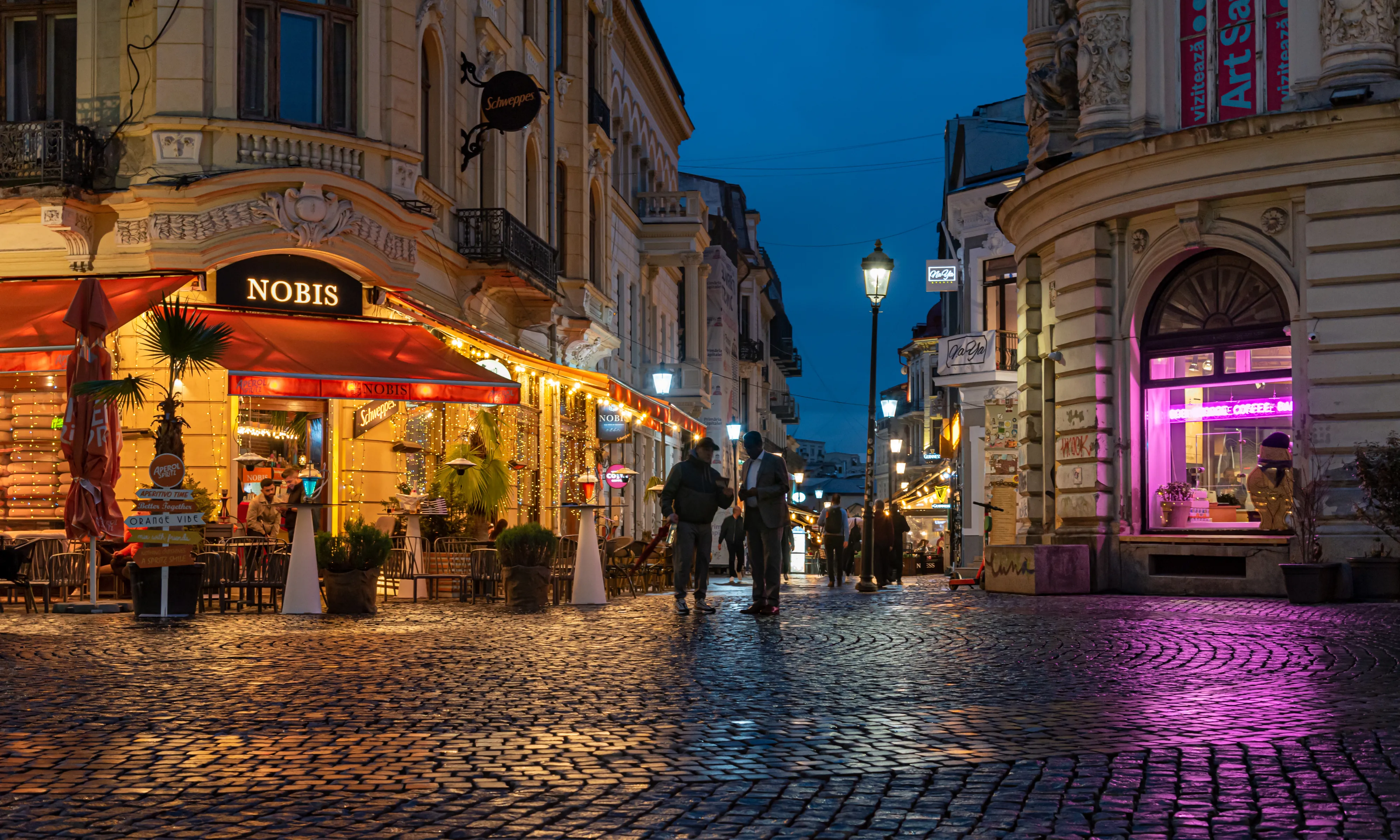
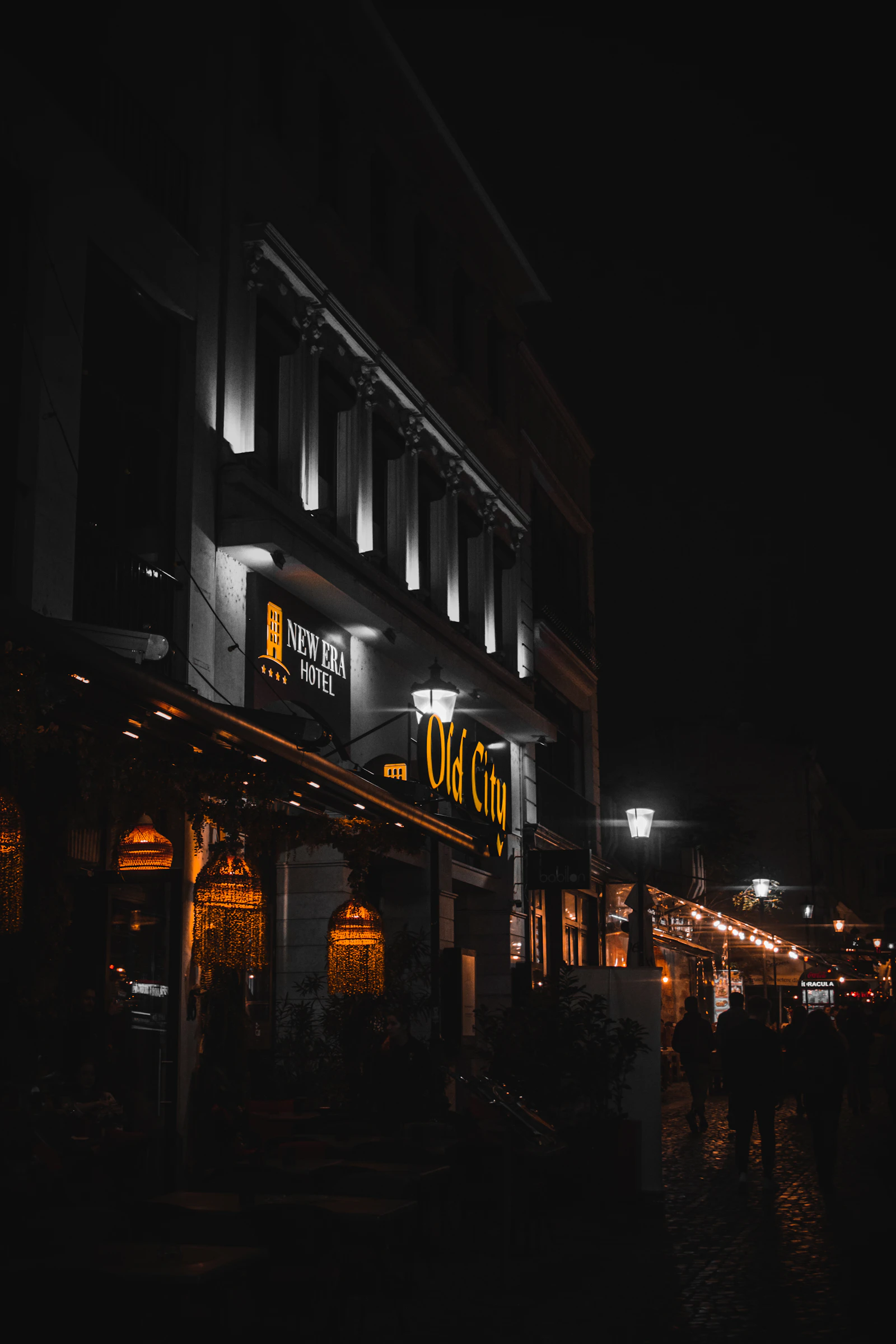
Centrul Vechi — the Old Town — is where Bucharest’s past and present collide most spectacularly. By day, it is a historic district of medieval ruins, 18th-century monasteries, and one of Europe’s most beautiful bookshops. By night, it transforms into one of the continent’s most vibrant nightlife quarters, with cobblestone streets packed wall-to-wall with bars, restaurants, and people.
The area roughly bounded by Calea Victoriei, Bulevardul Bratianu, Splaiul Independentei, and Bulevardul Unirii contains more history per square meter than anywhere else in Bucharest. Vlad the Impaler built his court here in 1459 — the ruins of Curtea Veche still stand as proof. The medieval trading routes that connected the Ottoman Empire to Central Europe passed through these streets. The 18th-century Stavropoleos Monastery stands steps away from craft cocktail bars.
For visitors, the Old Town is unavoidable — and that is not a complaint. The density of experiences here is extraordinary. You can visit the ruins of the oldest palace in Bucharest, browse a six-story bookshop in a restored 19th-century bank, eat traditional Romanian food in a restaurant that has been serving since 1879, and end the evening on a rooftop overlooking it all. The challenge is not finding things to do, but choosing among them.
History
Bucharest’s story begins here. The oldest historical traces in the area date to the 13th century, but the first documented mention of the city comes from 20 September 1459, when Vlad III — the historical figure behind the Dracula legend — issued a document from his “Fortress of Bucharest” at what is now Curtea Veche (the Old Princely Court). The fortified residence served as a strategic point for controlling trade routes and defending against Ottoman raids.
For centuries, the Old Town was the commercial heart of the city. Merchants from across the Balkans and Western Europe operated from its streets — Strada Lipscani is named after traders from Leipzig (Lipsca in Romanian). Ottoman caravanserais like Hanul lui Manuc (1808) served as centers of commerce and diplomacy. French-inspired neoclassical buildings appeared alongside medieval churches and Byzantine-era monasteries.
The 20th century brought devastation. Allied bombing destroyed significant portions in 1944. Under communism, approximately one-fifth of the historic area was cleared for Ceausescu’s megalomaniac Civic Center project, including Bulevardul Unirii and the Palace of the Parliament. What survived fell into decades of neglect.
The restoration began in the 2000s, transforming the area from a crumbling relic into a pedestrian-friendly entertainment district. Cobblestone streets were repaved, facades were restored, and an explosion of restaurants, bars, and cultural venues brought new life to old buildings. Today, the Old Town balances its dual identity as a historical site and a nightlife capital — sometimes gracefully, sometimes chaotically, but always memorably.
Architecture
The Old Town’s architecture is a palimpsest of Bucharest’s entire history. Within a few blocks, you can see buildings spanning five centuries:
Medieval remains at Curtea Veche — stone walls and foundations from Vlad the Impaler’s 15th-century palace. The adjacent Old Court Church (Biserica Curtea Veche) is the oldest church in Bucharest.
Brancovenesc style at Stavropoleos Monastery (1724) — Romania’s distinctive architectural contribution, blending Byzantine, Ottoman, and Renaissance elements into ornately carved stone facades.
Belle Epoque facades along Strada Lipscani and surrounding streets — French-influenced buildings from the late 19th century with decorative cornices, wrought-iron balconies, and elegant proportions.
The Macca-Villacrosse Passage (1891) — a covered arcade with a yellow glass roof that casts a golden glow over the cafes below. One of Bucharest’s most atmospheric spaces.
Carturesti Carusel occupies a magnificently restored 19th-century bank building at Lipscani 55. Its six floors of sweeping staircases and wrought-iron balconies have been transformed into one of the world’s most beautiful bookshops.
The beauty of the Old Town is that none of this requires a museum visit. The architecture is the streetscape — you experience it simply by walking through.
Where to Eat & Drink
The Old Town has the highest concentration of restaurants, cafes, and bars in Bucharest. The range spans from legendary institutions to hidden gems in back courtyards. Tourist-facing venues line the main streets, but the best finds are often one street over, behind an unmarked door, or up a flight of stairs to an unsuspected rooftop.
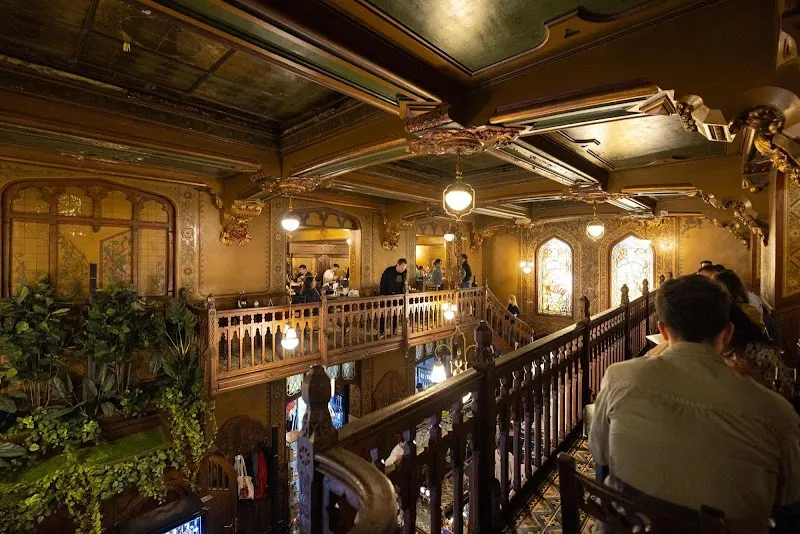
Caru’ cu Bere stands as Bucharest’s most iconic restaurant, a Neo-Gothic masterpiece that has been serving since 1879. The interior alone justifies a visit — soaring vaulted ceilings, stained glass windows, ornate wood paneling, and frescoes that transport you to Belle Epoque Bucharest. Live folk music accompanies traditional Romanian dishes. It draws crowds for good reason: more than a century of operation has made it an institution, not just a restaurant.
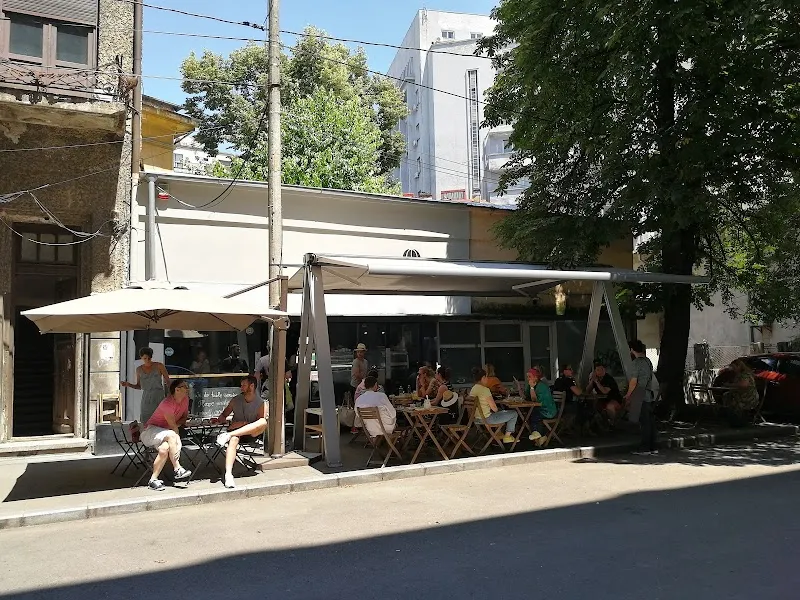
For coffee, Origo on Strada Lipscani is one of the cafes that helped launch Bucharest’s specialty coffee scene. The espresso is consistently excellent, and the location at Lipscani 9 puts you right in the middle of the Old Town’s pedestrian heart. A short walk south, SIP Bucharest Cocktail Bar on Strada Covaci holds a perfect 5.0 rating — a rare achievement — serving meticulously prepared classics and inventive signature cocktails in an intimate setting.
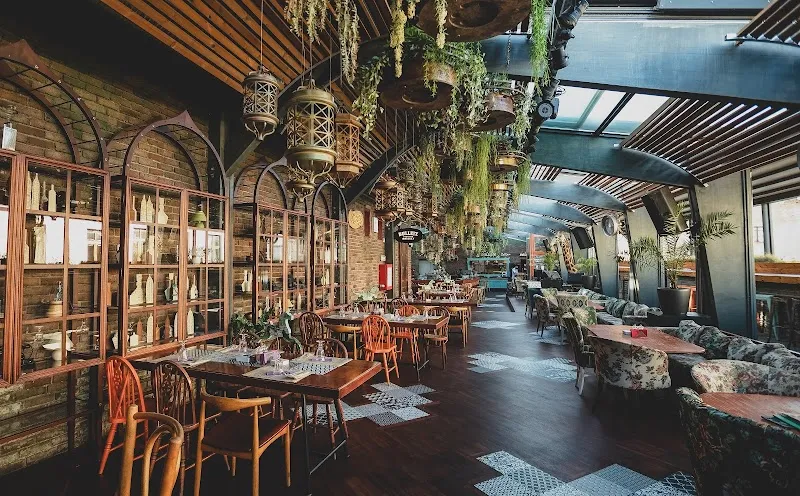
For a different perspective, Nomad on the second floor of Strada Smardan 30 offers rooftop views over the Old Town, with DJs on weekends and a food-and-drink menu that works for both afternoon and late night. Meanwhile, Hanu’ lui Manuc on Strada Francesa remains an essential stop — this 1808 inn surrounds a massive courtyard that becomes one of the best open-air dining spaces in summer.
Where to Eat & Drink in Old Town (Centrul Vechi) Neighborhood Guide -- Bars, Restaurants & History | Salut Bucuresti
Our tested picks for restaurants, cafes, and bars
Restaurants
Caru' cu Bere
Bucharest's most iconic restaurant, serving since 1879 in a stunning Neo-Gothic interior with stained glass, frescoes, and carved wood paneling. Traditional Romanian cuisine with live folk music nightly.
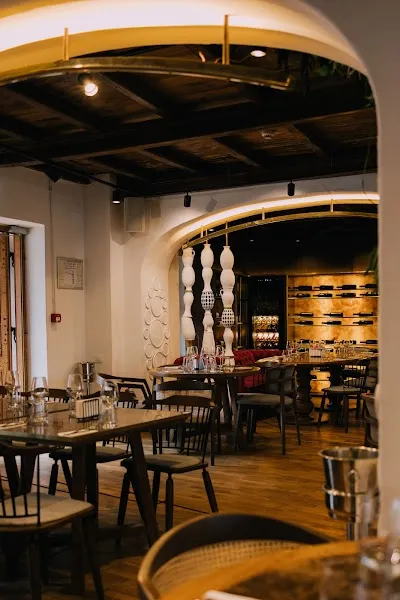
Hanu' lui Manuc
Historic inn built in 1808, with a massive courtyard terrace that becomes one of the best outdoor dining spaces in the Old Town during summer. Traditional Romanian comfort food in a space steeped in history.
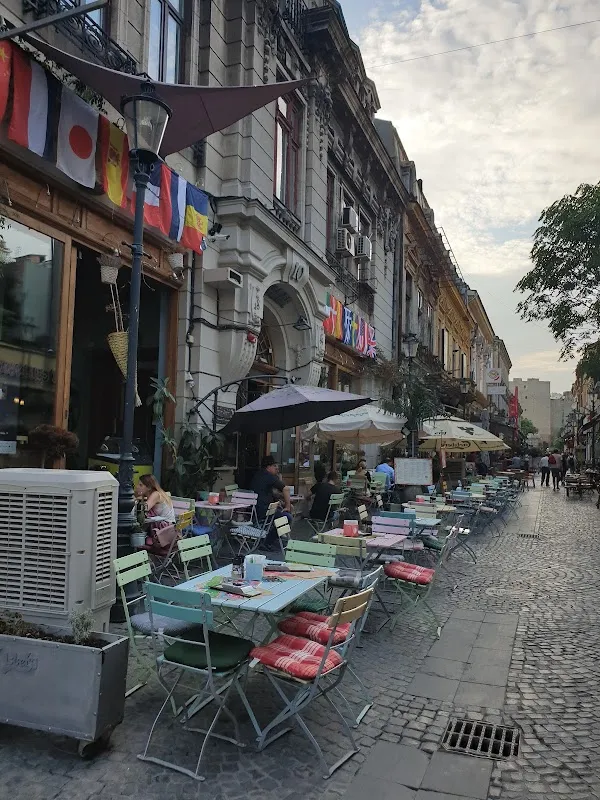 נורית עמר
 Lacrimi si Sfinti
Modern Romanian cuisine in a space assembled from reclaimed materials -- beams, old doors, handmade ceramics. Traditional recipes reimagined with seasonal ingredients and contemporary technique.
Cafes
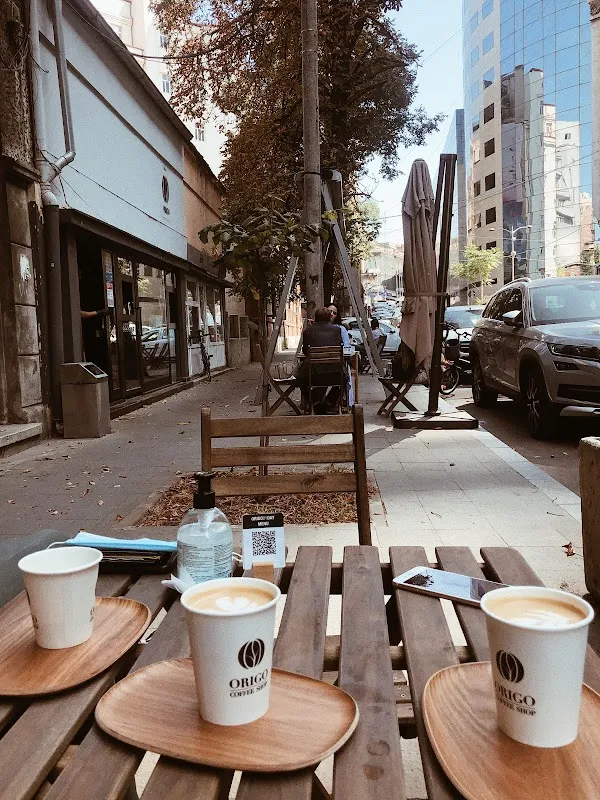 Ena Celoiu
 Origo
The original location of Bucharest's specialty coffee pioneer on Strada Lipscani. One of the cafes that helped launch the third-wave coffee movement in Romania, still serving expertly pulled espresso.
Bars
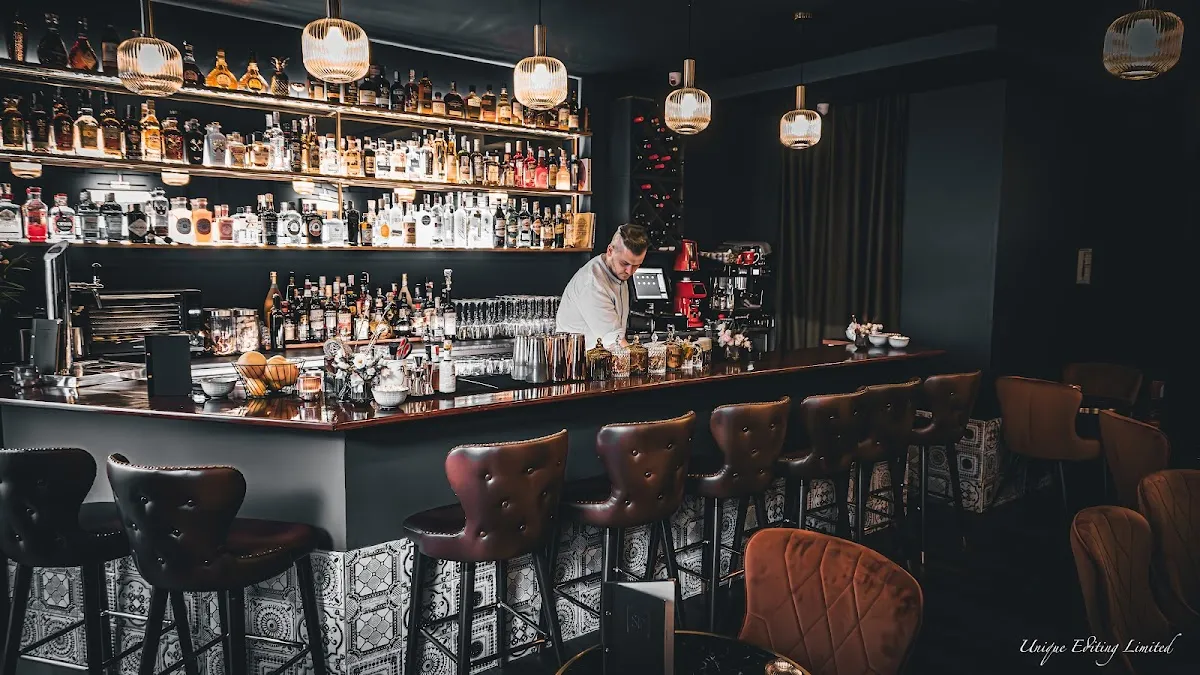 SIPPERS Bucharest Cocktail Bar
 SIP Bucharest Cocktail Bar
Top-rated craft cocktail bar on Strada Covaci, known for expertly prepared classics and creative signature drinks. Intimate, sophisticated setting with impeccable service.
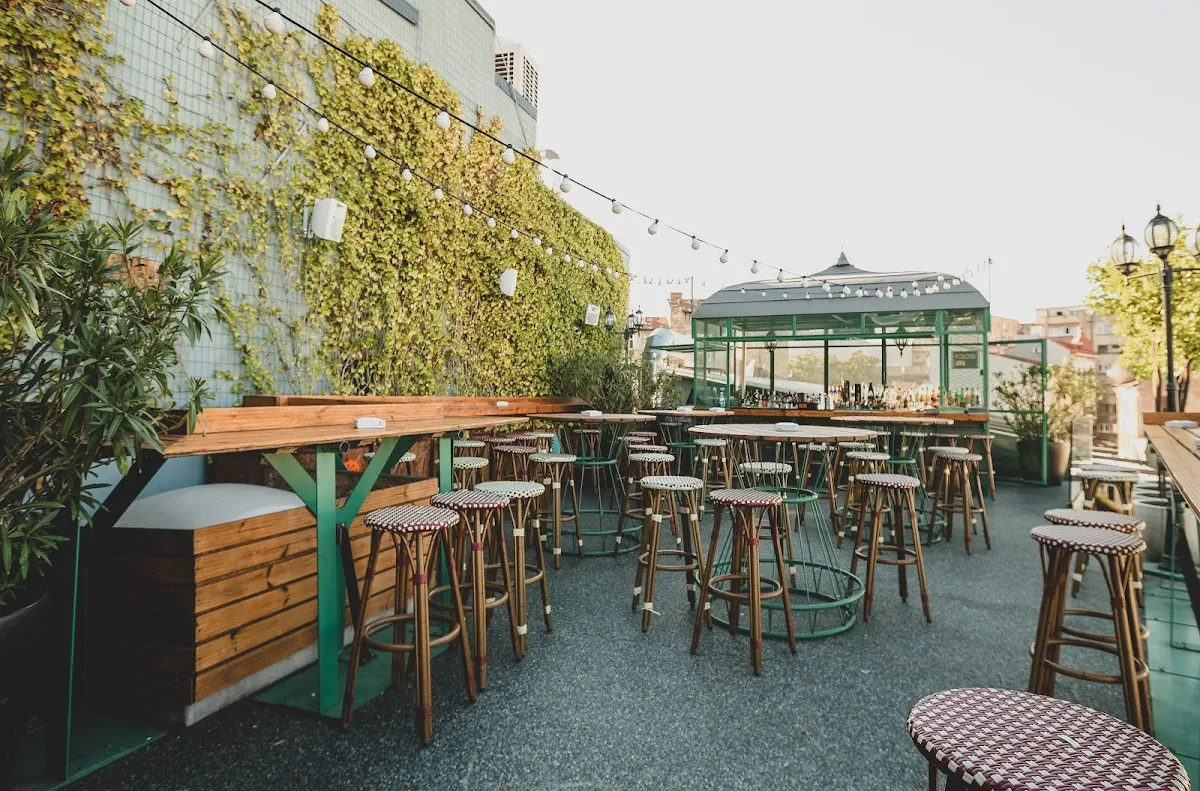 Nomad Skybar
 Nomad
Rooftop bar and restaurant on the second floor of a Smardan Street building, offering views over Old Town rooftops. Open-air terrace, DJs on weekends, and a varied food and cocktail menu.
A Glimpse into the Past
Caru' cu Bere on Strada Stavropoleos, before 1906 -- the Neo-Gothic landmark has served Bucharest since 1879
Photo: Frederic Dame · Public domain · Wikimedia Commons
Strada Lipscani around 1900 -- the commercial heart of old Bucharest, named after merchants trading goods from Leipzig
Photo: Neoclassicism Enthusiast · CC BY-SA 4.0 · Wikimedia Commons
Strada Lipscani in the interwar period -- bustling with shops, cafes, and the energy of a cosmopolitan capital
Photo: Unknown author · Public domain · Wikimedia Commons
The intersection of Calea Victoriei with Strada Stavropoleos and Lipscani, circa 1900 -- the crossroads of old Bucharest
Photo: Neoclassicism Enthusiast · CC BY-SA 4.0 · Wikimedia Commons