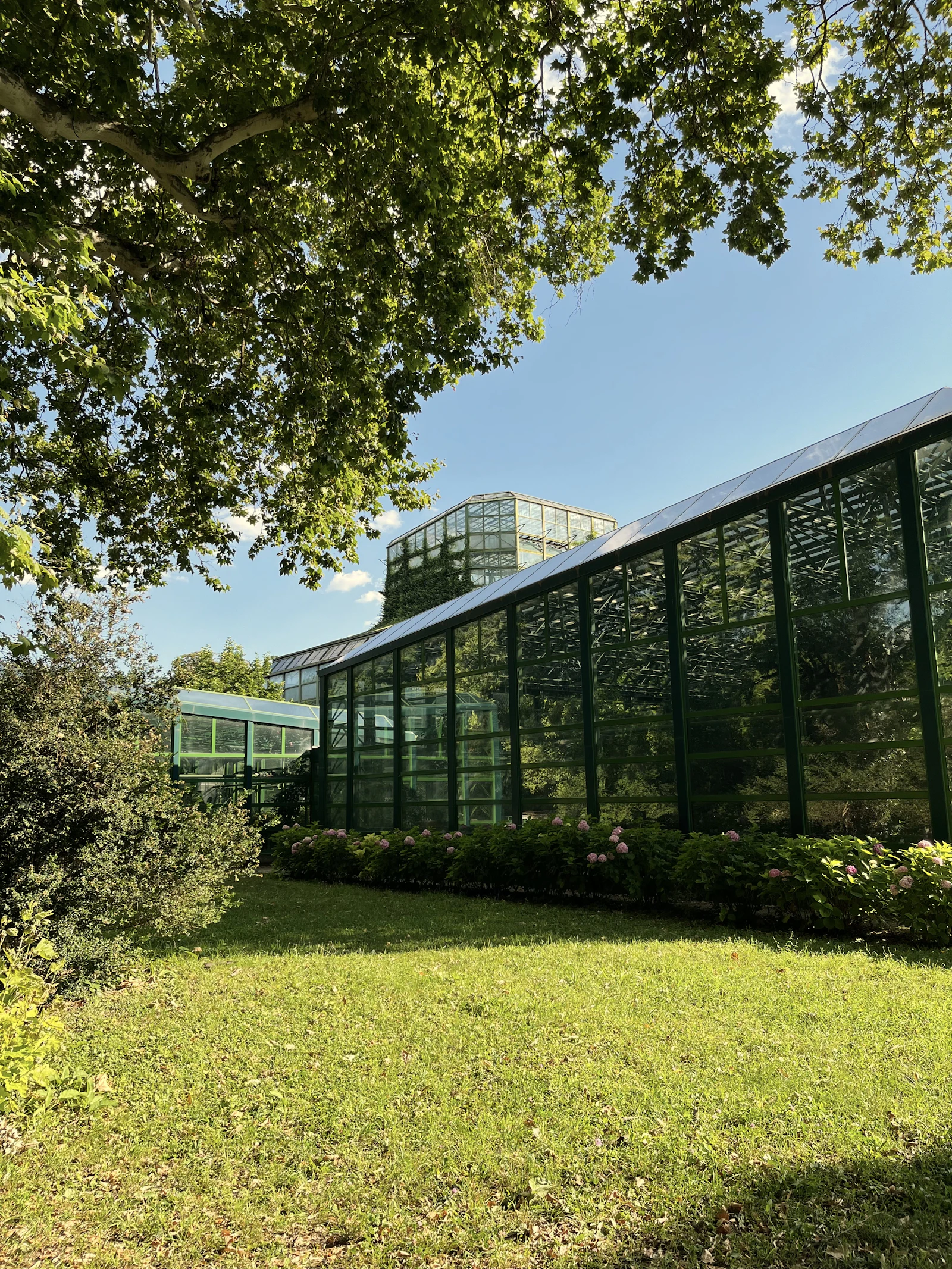
Overview
Cotroceni feels like a village hidden within the capital. About ten minutes from the Palace of the Parliament by metro, this peaceful residential neighborhood is defined by its strong community spirit, beautiful architecture, and two major cultural landmarks: the Cotroceni Palace (Romania’s Presidential residence) and the Botanical Garden.
The streets are quiet and tree-lined, with a mix of Neo-Romanian villas, Art Deco houses, and interwar apartment buildings that give the area a distinctly human scale. Unlike the bustling center or the corporate towers of the north, Cotroceni moves at its own pace. Locals gather at small tea houses and neighborhood cafes, children play in front yards, and weekend flea markets bring the community together.
For visitors, Cotroceni offers a different texture of Bucharest — one that is intimate, cultured, and genuinely lived-in. A morning at the Botanical Garden followed by tea at Infinitea and a stroll through the residential streets makes for one of the most pleasant half-days the city has to offer. Those with a full day could combine Cotroceni with a visit to nearby Cismigiu Gardens or a walk along Calea Victoriei.
History
The name Cotroceni derives from the archaic Romanian verb “a cotroci,” meaning “to search through” or “to shelter.” More than four centuries ago, the area was covered by the Cotrocenilor Forest, part of the larger Vlasiei Woods — a place so dense it was reportedly frequented by robbers.
Between 1679 and 1681, Prince Serban Cantacuzino cleared the wooded hilltop west of Bucharest and founded a monastery here. The “Assumption of the Holy Virgin” church and its accompanying princely palace were built in a Baroque style influenced by Western Europe. The monastery became one of the most influential in Wallachia — notably, it was the site where the first complete translation of the Bible into Romanian was printed in 1688.
During the mid-19th century, under Prince Barbu Dimitrie Stirbei, the princely palace was rebuilt and modernized as a summer residence. Stirbei also built a new road across the monastery’s domain, separating the residential area from what would become the Botanical Garden, established in 1860. When Prince Carol I arrived, the palace underwent extensive modifications from 1893 to 1895 to serve as the permanent residence for heir presumptive Ferdinand. This cemented Cotroceni’s status as an exclusive neighborhood.
The royal presence attracted intellectuals, doctors, artists, teachers, and military officers who built elegant homes in the Neo-Romanian style during the interwar period. The communist era brought apartment blocks at the edges, but the residential core was largely preserved. Today, Cotroceni benefits from strong community organization — the “Bazar de Cotroceni” flea market and “Sounds of Cotroceni” music festival reflect a neighborhood that actively cultivates its identity.
Architecture
Cotroceni’s architectural character is distinctive within Bucharest. While other neighborhoods draw primarily on French influences, Cotroceni showcases the Neo-Romanian style — a deliberately national architectural movement that blends traditional folk motifs with modern construction techniques.
Neo-Romanian villas feature carved wooden details, ceramic tile accents, arched loggias, and references to Romanian vernacular architecture. The effect is warmer and more personal than the grand neoclassical facades found in Dorobanti or along Calea Victoriei. These homes feel rooted in their place rather than imported from Paris.
Art Deco elements also appear throughout the neighborhood, particularly in apartment buildings from the 1930s. The geometric forms and streamlined details of this period blend surprisingly well with the more organic Neo-Romanian aesthetic.
The Cotroceni Palace itself is a major architectural statement — a blend of Romanian, French, and Byzantine elements that reflects the eclectic tastes of the late 19th-century monarchy. The adjacent Botanical Garden adds its own architectural dimension through a series of historic greenhouses with delicate iron-and-glass construction.
The best streets for an architecture walk include the area around the Botanical Garden and the residential blocks between Bulevardul Geniului and Strada Doctor Lister. The scale is intimate — these are not grand boulevards but quiet streets where each house reveals individual character.
Where to Eat & Drink
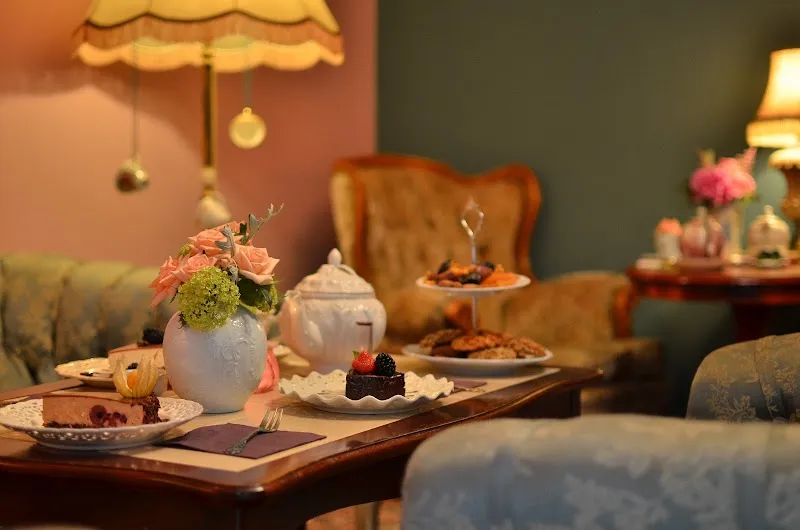
Cotroceni’s dining scene is intimate and local, built around the neighborhood’s community character. Infinitea on Strada Doctor Grigore Romniceanu has become one of the most reviewed tea houses in Bucharest, with its book-lined interior and peaceful garden drawing a devoted following. For coffee, ZISSOU on Strada Doctor Lister offers a clean, considered aesthetic and excellent espresso, while Throwback Coffee on nearby Strada Doctor Herescu adds a warm, approachable alternative.
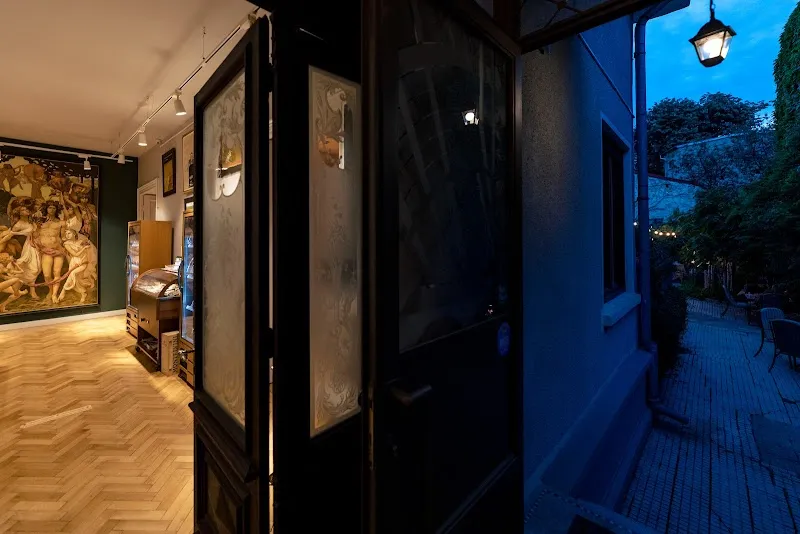
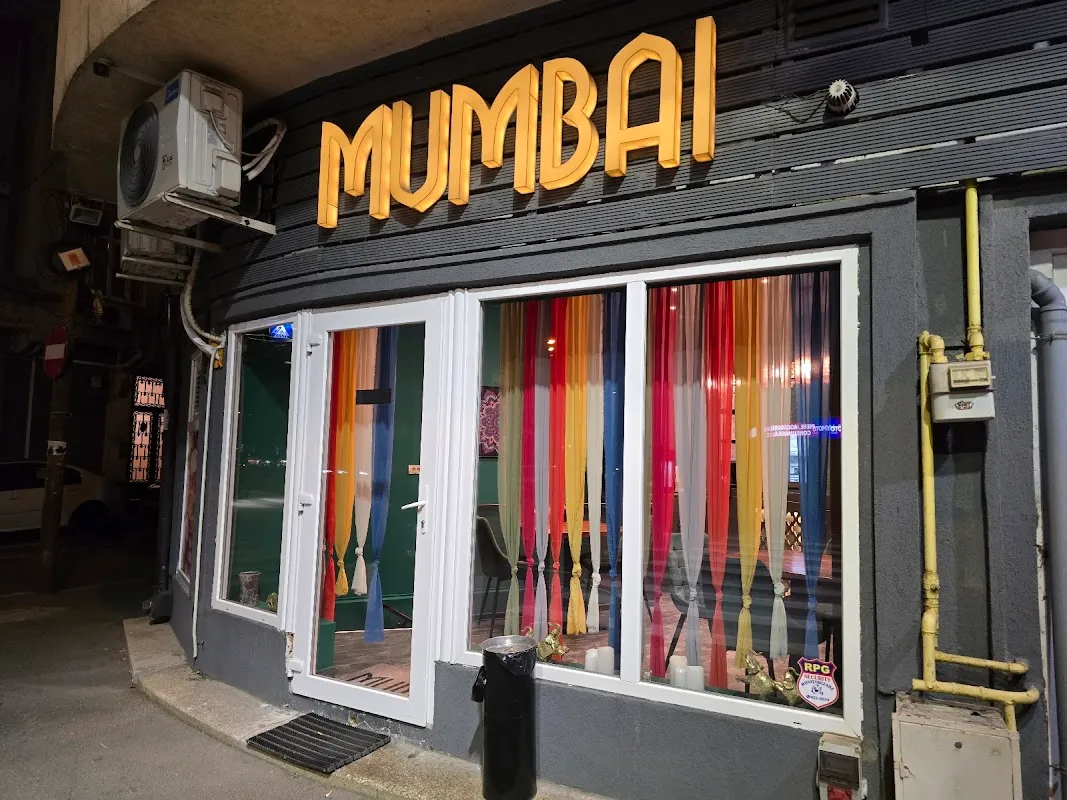
For food, TartarBar on Strada Doctor Carol Davila brings creative, fresh dishes to the neighborhood, while Mumbai Cotroceni on Soseaua Cotroceni satisfies cravings for authentic Indian cuisine. As evening approaches, The Great Hill wine bar on Strada Doctor Louis Pasteur offers a carefully curated selection of Romanian and international wines in an intimate setting — the kind of place where the owner’s passion for wine is evident in every recommendation.
Where to Eat & Drink in Cotroceni Neighborhood Guide -- History, Cafes & Tips | Salut Bucuresti
Our tested picks for restaurants, cafes, and bars
Restaurants
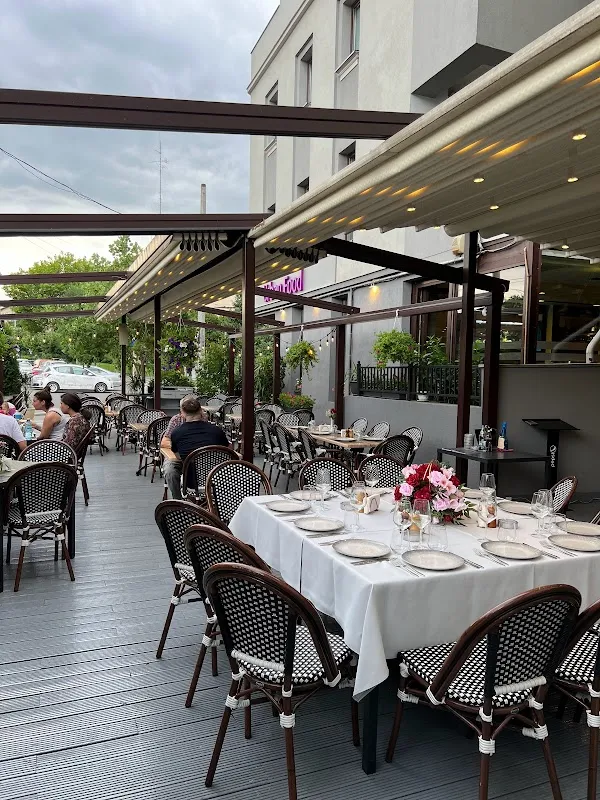 TartarBar
 TartarBar
A neighborhood restaurant on Strada Doctor Carol Davila specializing in tartare and raw preparations, with a creative menu that goes well beyond the name. Fresh, inventive dishes in a warm setting.
 Octav Ganea
 Mumbai Cotroceni
Authentic Indian restaurant on Soseaua Cotroceni bringing rich curries, tandoori dishes, and naan bread to the neighborhood. Generous portions, warm spices, and a dedicated following among locals.
Cafes
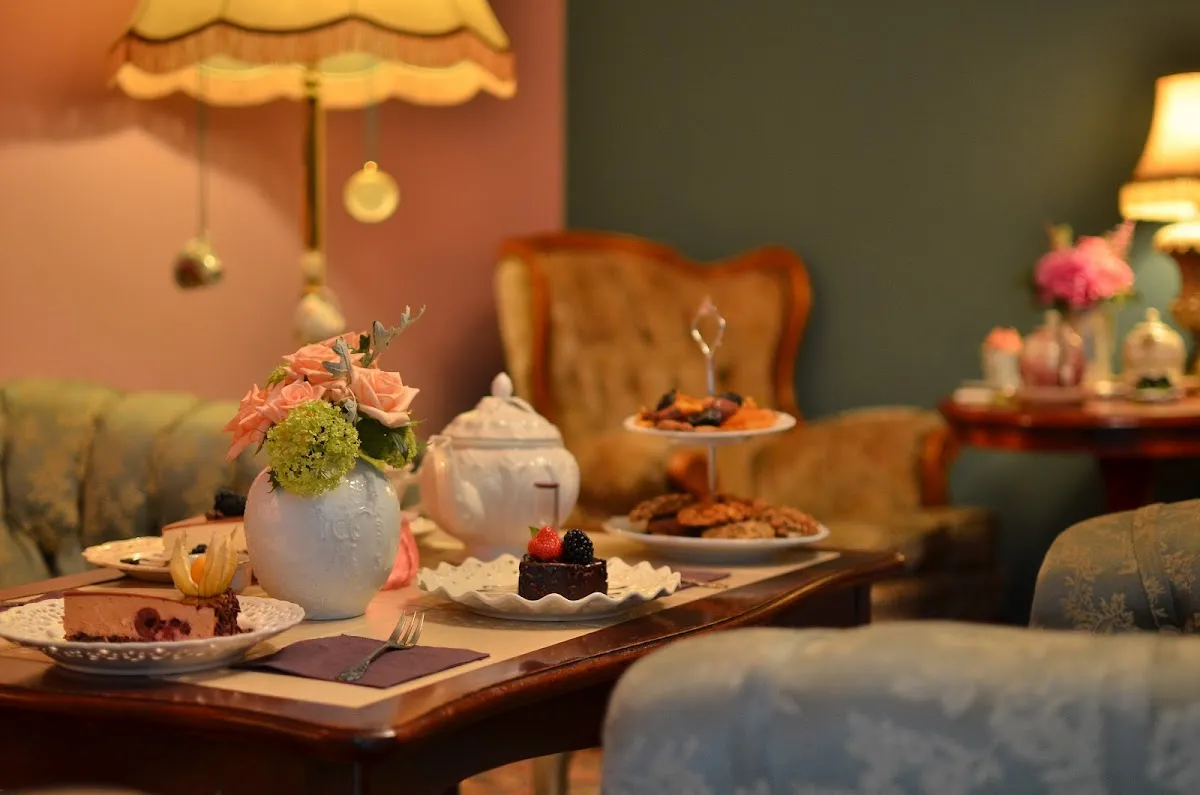 Ceainăria Infinitea
 Infinitea
Cotroceni's beloved tea house, offering an extensive selection of teas from around the world in a cozy, book-filled interior. The peaceful garden makes it one of the most pleasant afternoon retreats in Bucharest.
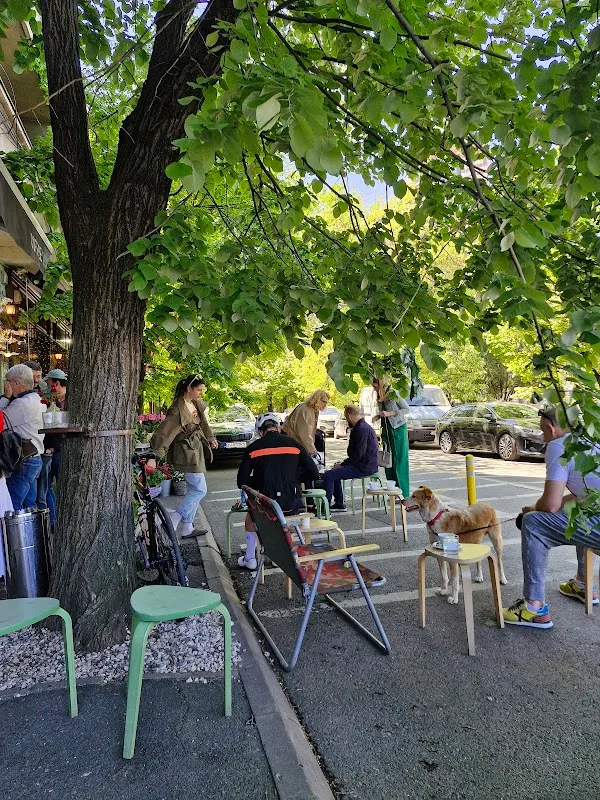 Natalia Ion
 ZISSOU Coffee Shop
Specialty coffee shop on Strada Doctor Joseph Lister with a clean, considered aesthetic and excellent espresso. A favorite among Cotroceni's coffee-conscious residents and students from nearby faculties.
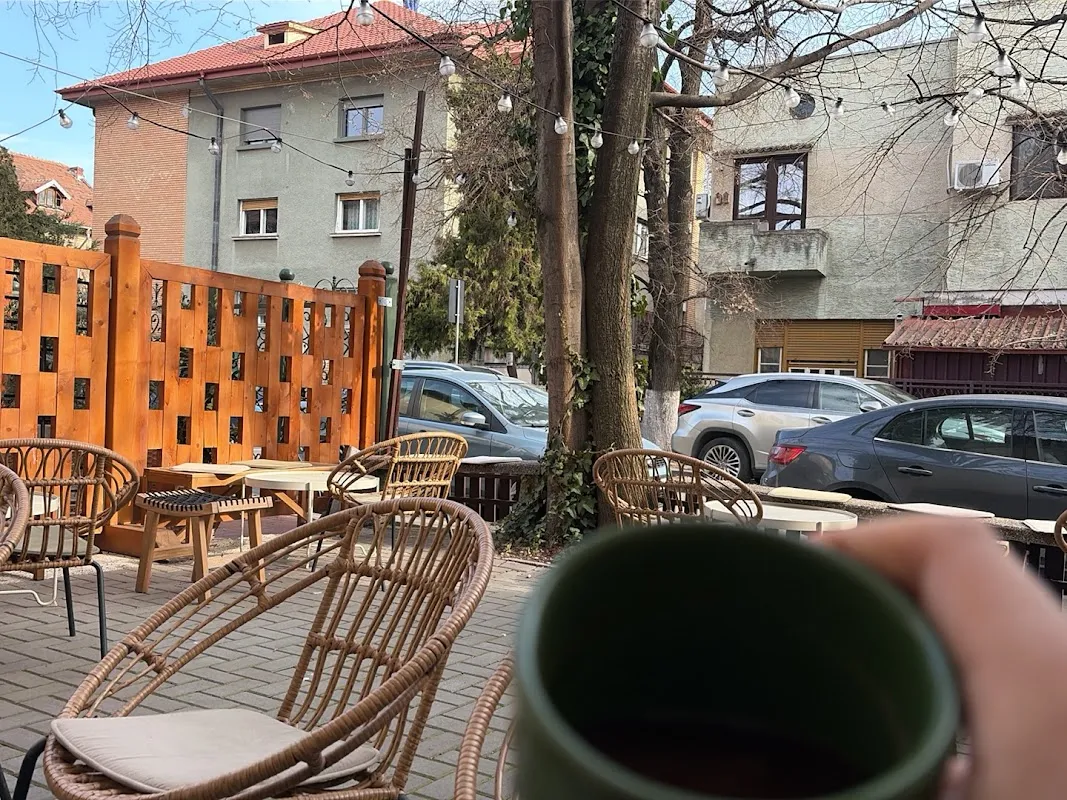 Dominic Malinas
 Throwback Coffee
A warm, welcoming coffee shop on Strada Doctor Petre Herescu with quality specialty coffee, pastries, and a relaxed neighborhood atmosphere. Popular with students and young professionals.
Bars
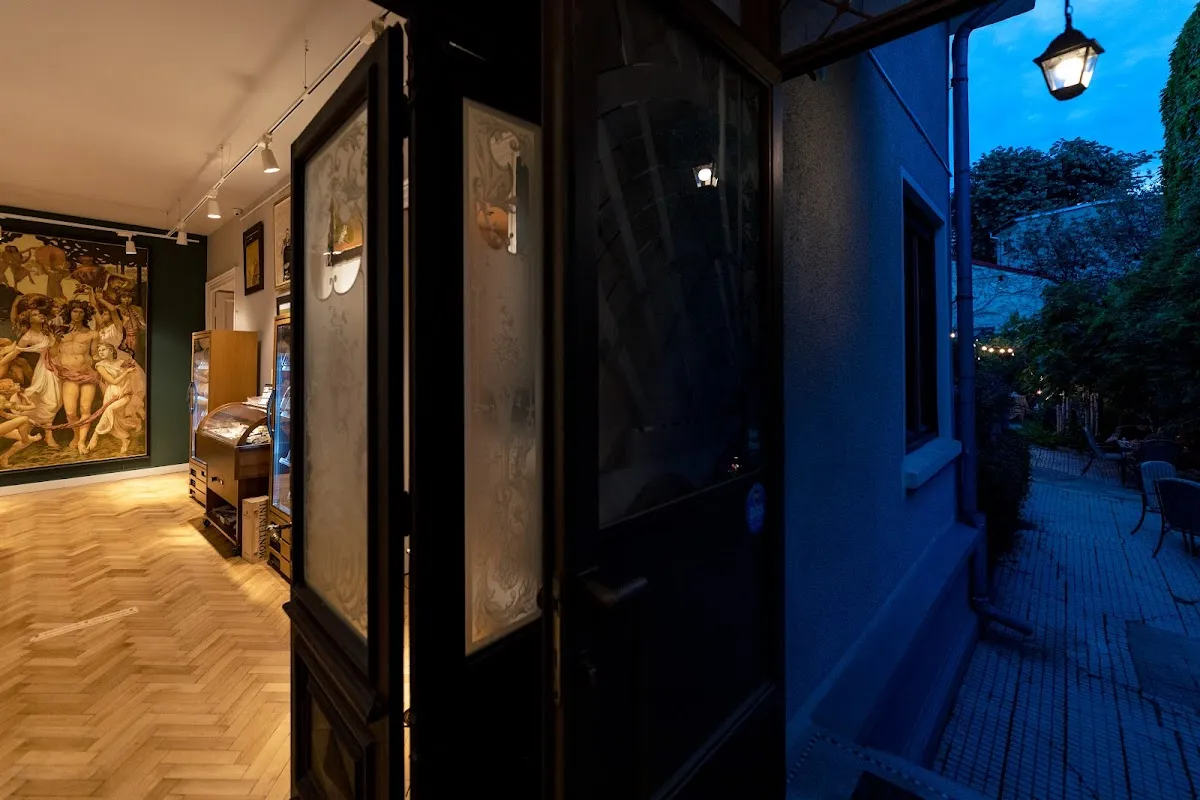 The Great Hill
 The Great Hill
A wine bar on Strada Doctor Louis Pasteur with a carefully curated selection of Romanian and international wines, plus charcuterie boards and small plates. Intimate, knowledgeable, and genuinely passionate about wine.
A Glimpse into the Past
The Cotroceni Palace, before 1906 -- royal residence turned presidential palace, the neighborhood's defining landmark
Photo: Frederic Dame · Public domain · Wikimedia Commons
The Cotroceni Monastery in 1860 -- founded by Prince Serban Cantacuzino in 1679, it gave the neighborhood its name
Photo: Unknown author · Public domain · Wikimedia Commons
"The Princely Mail Coach at Cotroceni" by Amedeo Preziosi -- capturing the rural elegance of the area before urbanization
Photo: Amedeo Preziosi · Public domain · Wikimedia Commons
