Overview
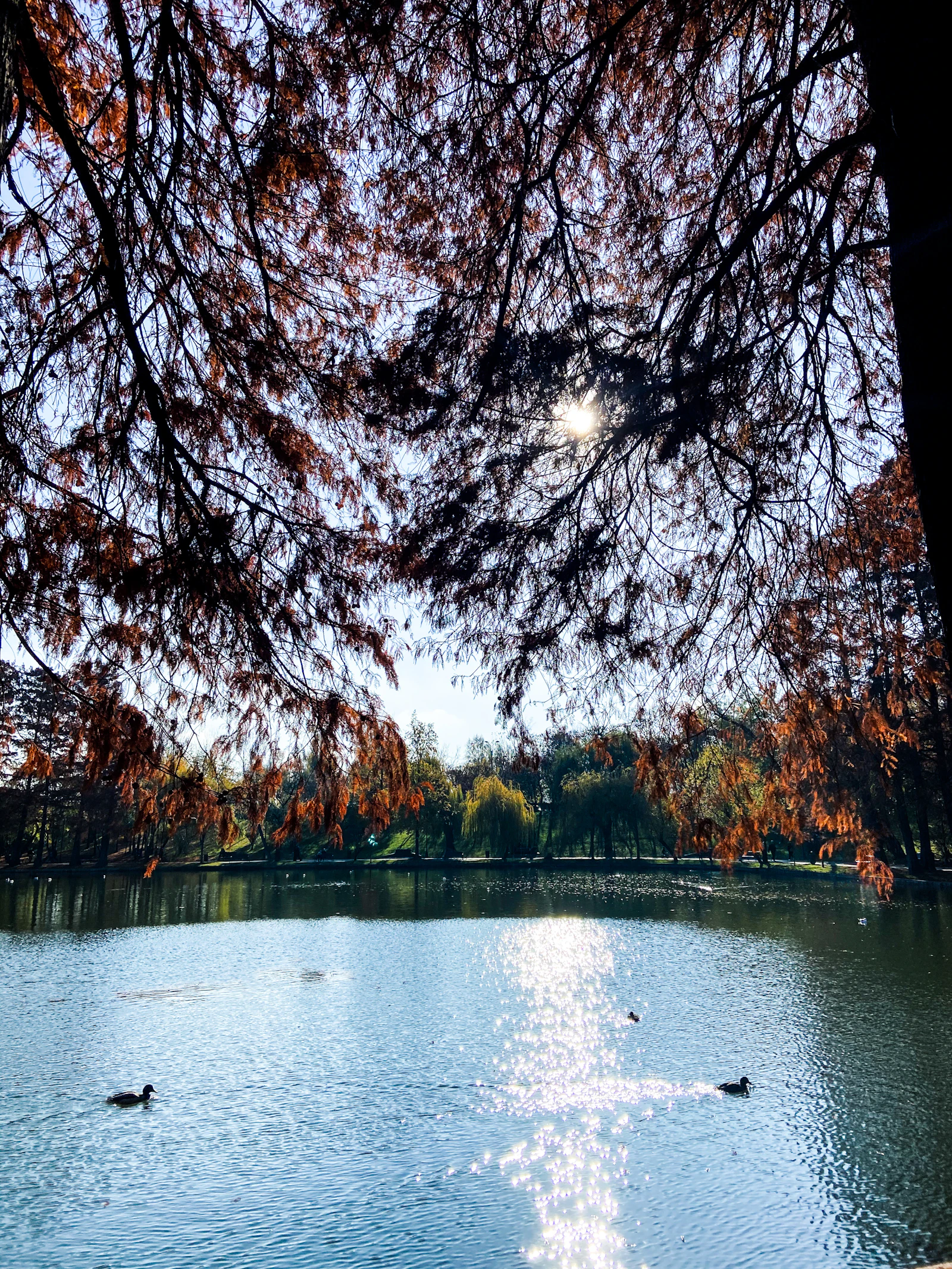
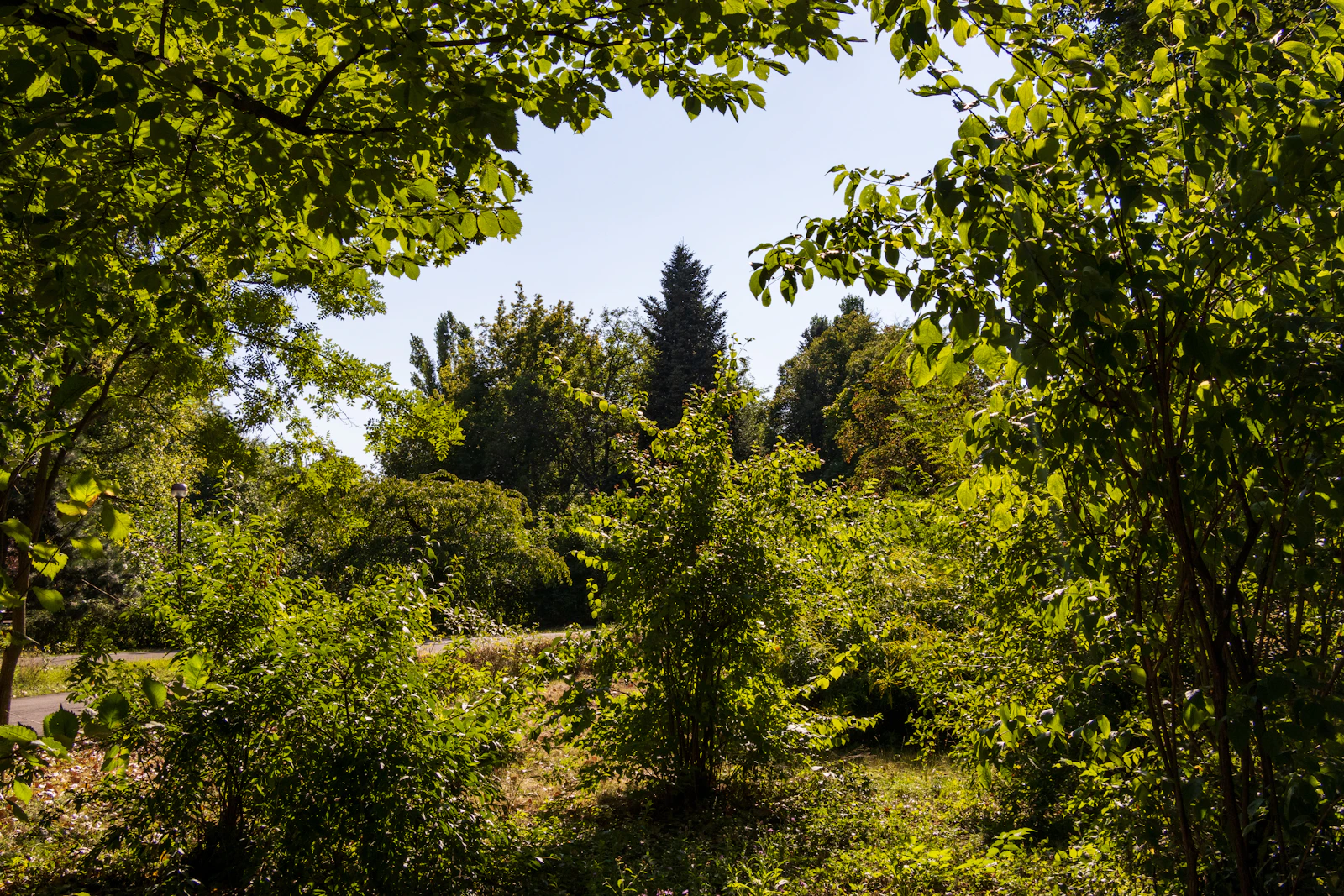
Baneasa is where Bucharest gives way to nature. Located in the far north of the city, this sprawling district is defined by one extraordinary asset: Baneasa Forest (Padurea Baneasa), an approximately 800-hectare woodland that sits in proximity to the neighborhood and the historic Baneasa Airport. For Bucharesters, the forest is a near-sacred space — the place where the city breathes.
The neighborhood itself is a mix of old and new, stretching along the Sos. Bucuresti-Ploiesti corridor. The eastern side hosts Baneasa Shopping City, one of Romania’s first and most upscale malls, surrounded by modern residential and commercial developments. The western side grades into the forest, with scattered villas and restaurants that take advantage of the proximity to nature. Further north, the area transitions toward Henri Coanda International Airport.
Baneasa is not a walking neighborhood in the traditional sense — distances are long and the infrastructure favors cars. But as a destination for a half-day excursion, it is unmatched. A morning hike through the forest followed by lunch at one of the forest-edge restaurants, perhaps with a stop at the shopping center, makes for one of the most satisfying day trips within Bucharest’s city limits. The contrast between the forest’s ancient quiet and the city’s energy is part of what makes Bucharest endlessly surprising.
History
Baneasa’s roots reach back to the 17th century, when it was a small village called Carstanesti. The name Baneasa derives from the story of the wife of Ban Mares, a provincial governor — the baneasa — who is linked to the area’s early aristocratic identity.
The area’s aviation heritage is remarkable. In 1909, the French aviator Louis Bleriot made exhibition flights from a meadow in Baneasa, marking the first airplane flight from Romanian soil. In 1912, George Valentin Bibescu opened one of Romania’s first flight schools at the Baneasa airfield. This makes Baneasa one of the oldest continuously operating airport sites in Europe. The current terminal building, designed in the late 1940s and opened in 1952, features a distinctive central dome with three wings representing an airplane propeller — it was considered one of Bucharest’s finest architectural works at the time.
For a long time, Baneasa remained a peripheral area with forests and farmland. The communist period preserved the forest as a green belt but developed surrounding agricultural land with housing estates and infrastructure projects.
The post-1989 era transformed Baneasa dramatically. The opening of Baneasa Shopping City in 2008 catalyzed commercial development along the Soseaua Bucuresti-Ploiesti corridor. New residential complexes — gated communities with Western-style houses and modern apartment buildings — proliferated, attracting affluent families and expatriates drawn by the proximity to the forest, the airport, and international schools in the area. Today, Baneasa represents a suburban vision of Bucharest that contrasts sharply with the dense urban core.
Architecture
Baneasa’s architecture is scattered and eclectic, reflecting its evolution from a rural-suburban area to an increasingly developed northern extension of the city. There is no single dominant architectural style; instead, the neighborhood layers various eras and approaches across its large footprint.
The oldest surviving structures include a handful of interwar villas and country houses near the forest, some of which have been converted into restaurants or event venues. These modest but charming buildings, with their tile roofs and garden settings, represent the area’s pre-urban character.
The communist era contributed apartment blocks (primarily along the main boulevards) and institutional buildings, though Baneasa was less intensively developed than central districts. The military and aviation facilities from this period are mostly hidden behind fences and walls.
The defining architectural development is post-2000 suburban expansion. Gated residential communities with names that evoke international luxury — often built by Romanian and international developers — line the roads approaching the forest. These range from townhouse complexes with manicured lawns to detached villa developments. The architectural quality varies considerably, from thoughtful designs that respond to the forested setting to generic Mediterranean-style pastiches.
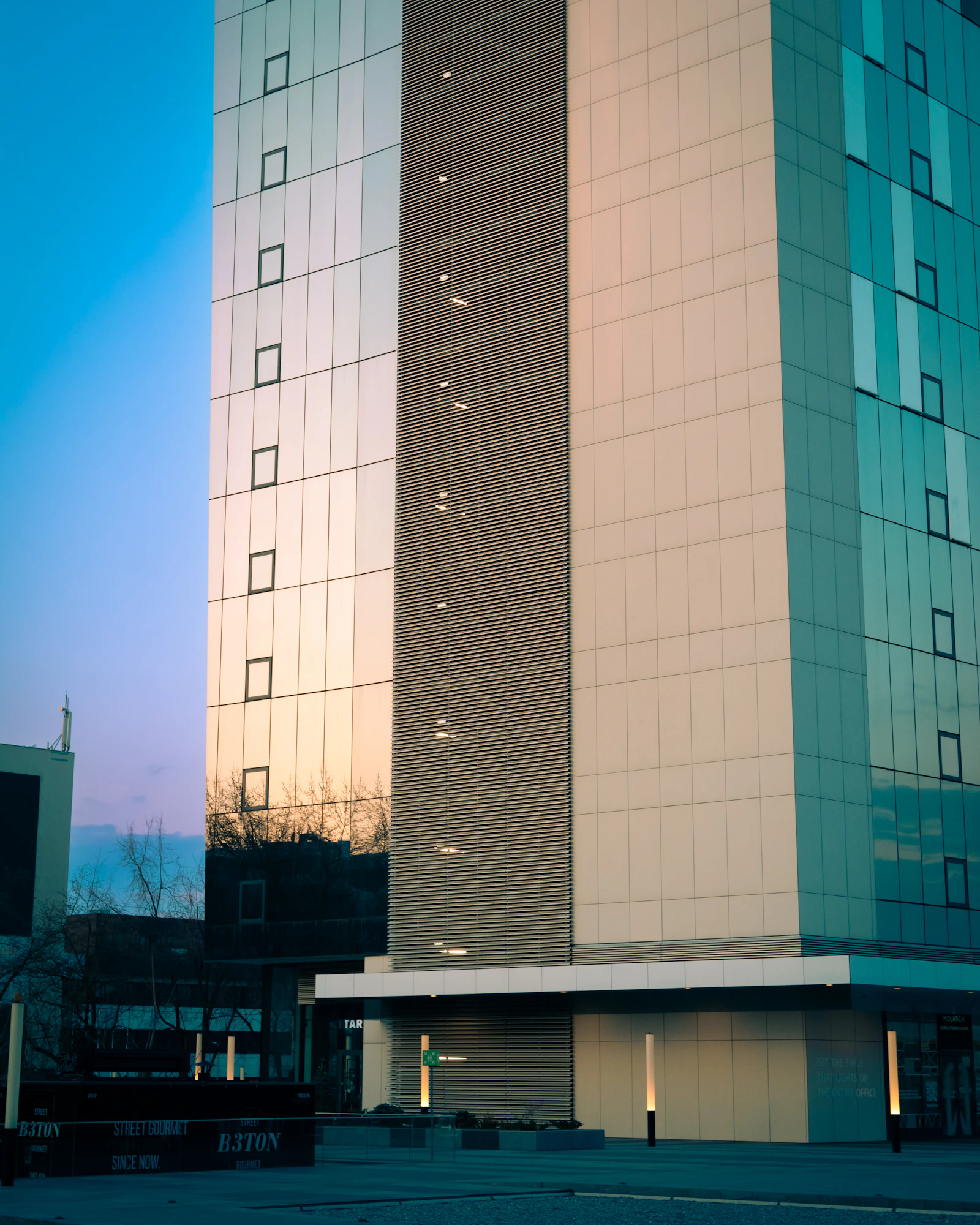
Baneasa Shopping City, a large modern mall, anchors the commercial side of the neighborhood. Its presence catalyzed the surrounding development but also created the car-dependent, strip-mall environment that defines much of the Sos. Bucuresti-Ploiesti corridor.
The forest itself, while not architecture in the conventional sense, is the area’s most important “built” environment — centuries of natural growth creating a cathedral of oak and hornbeam that dwarfs any human construction in the vicinity.
Where to Eat & Drink
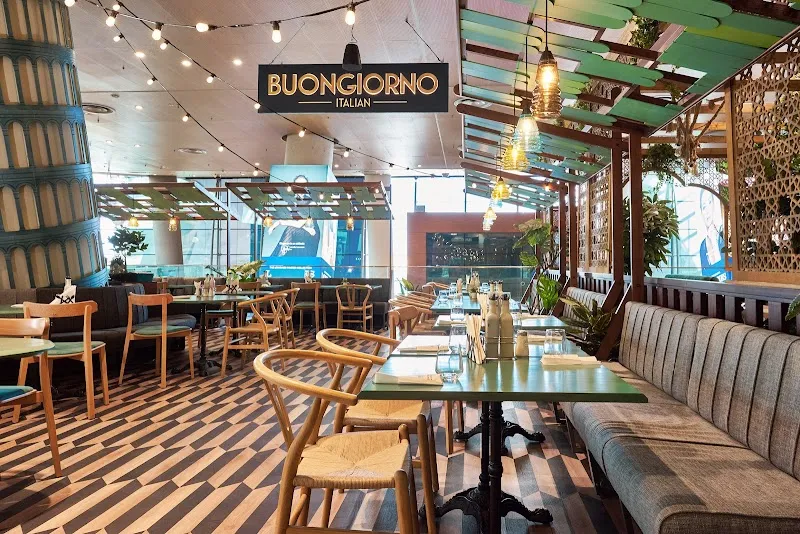
Dining in Baneasa is concentrated around the Baneasa Shopping City complex on Soseaua Bucuresti-Ploiesti. The restaurants here range from well-regarded Italian spots to reliable international options, and the area draws families and residents from the surrounding complexes. It is not the most characterful dining scene in Bucharest, but the quality and variety are solid, and a meal here pairs naturally with a shopping trip or a walk in the nearby forest.
Where to Eat & Drink in Baneasa Neighborhood Guide -- Forest, Shopping & Tips | Salut Bucuresti
Our tested picks for restaurants, cafes, and bars
Restaurants
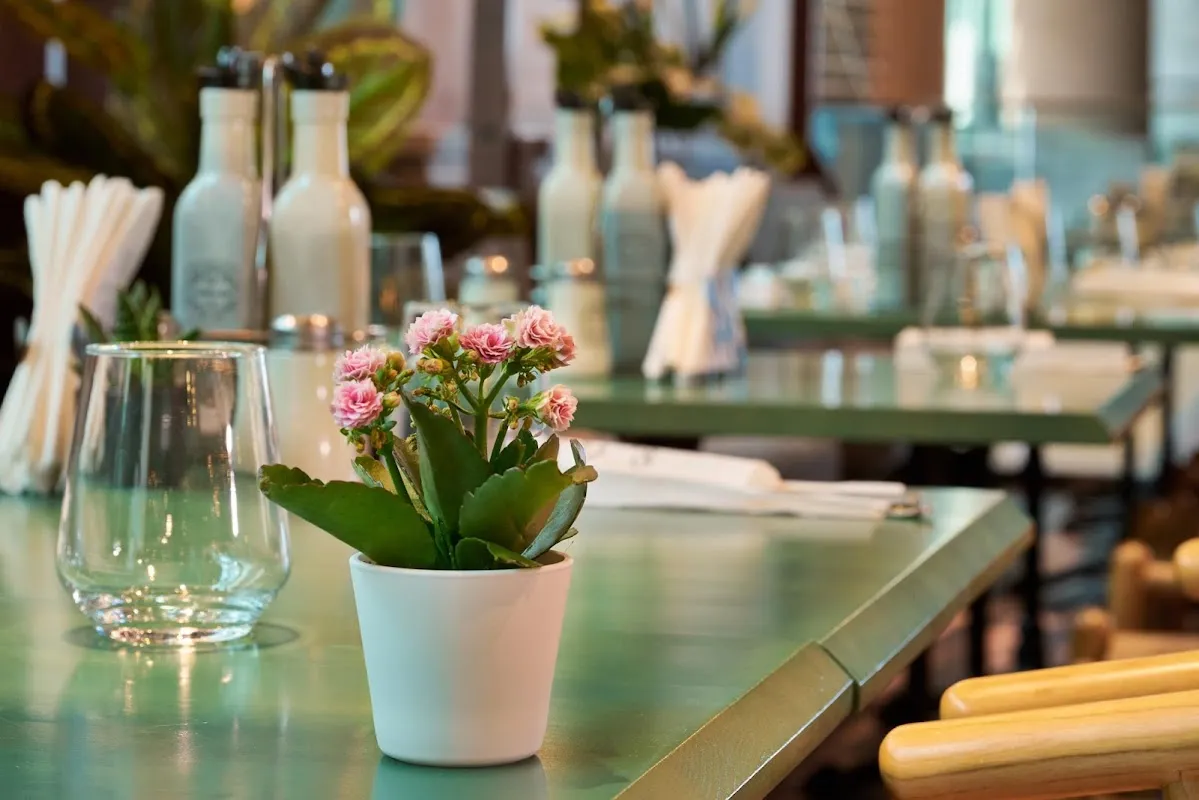 Buongiorno Italian Băneasa
 Buongiorno Italian Baneasa
A highly rated Italian restaurant near Baneasa Shopping City. Thin-crust pizzas, fresh pastas, and a warm atmosphere that consistently draws large crowds -- book ahead on weekends.
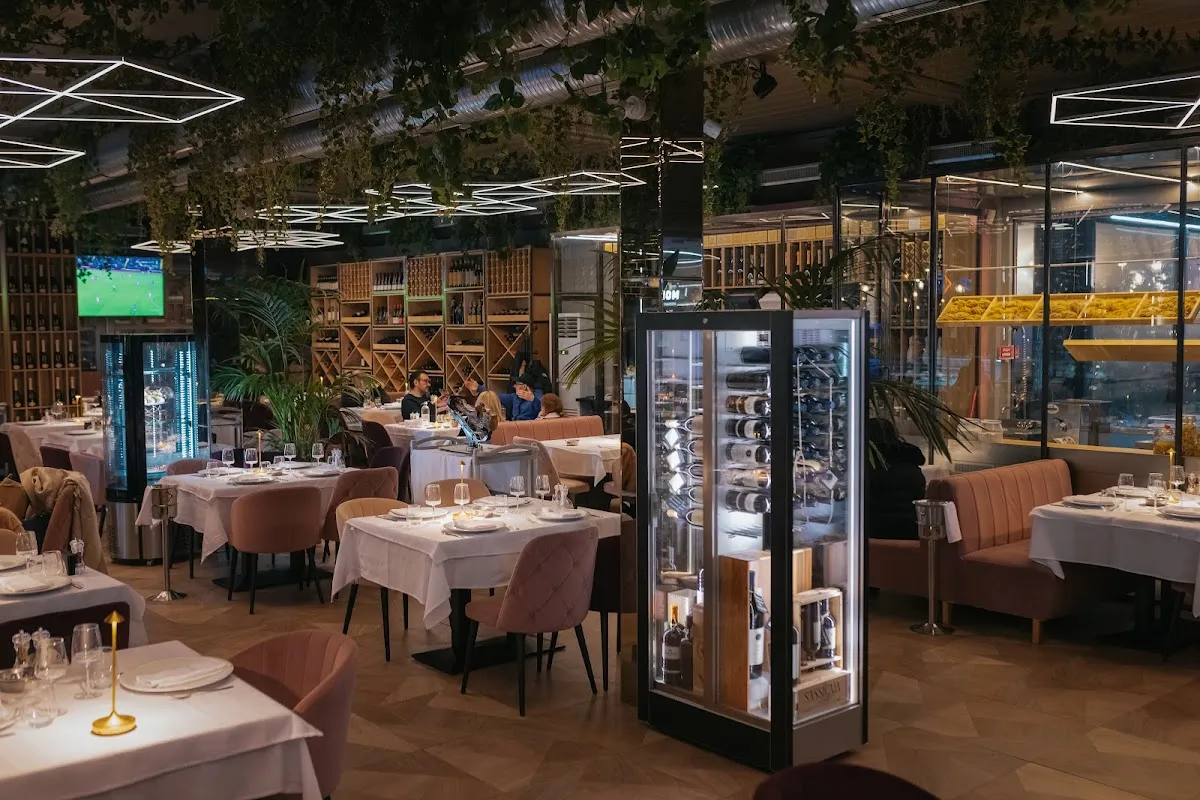 Ristorante Italia
 Ristorante Italia
An authentic Italian restaurant inside Baneasa Shopping City with a menu built around handmade pasta, wood-fired pizza, and a solid Italian wine list.
A Glimpse into the Past
"Bridge at Baneasa" by Petre Iorgulescu-Yor -- an interwar painting capturing the rural character of old Baneasa
Photo: Petre Iorgulescu-Yor · Public domain · Wikimedia Commons
Gheorghiu-Dej welcoming Khrushchev at Baneasa Airport, June 1960 -- the airport was Bucharest's main gateway for decades
Photo: National Archives of Romania · Attribution · Wikimedia Commons
Baneasa Airport terminal -- opened in 1920, it was Romania's first international airport and shaped the neighborhood's identity
Photo: George Groutas · CC BY 2.0 · Wikimedia Commons