Overview
Pipera represents the new Bucharest — a rapidly developed business district and upscale residential area at the city’s northern edge that would have been unrecognizable twenty years ago. The name comes from the pepper plantations that once existed on this land, a detail that feels almost surreal given today’s landscape of glass office towers and gated residential compounds.
For most visitors, Pipera is more transit hub than destination — it is the northern terminus of the M2 metro line and the closest metro stop to Henri Coanda International Airport. But for those staying in the area on business or residing in its modern complexes, it offers the convenience of restaurants along Bulevardul Pipera and Strada Erou Iancu Nicolae, business-class amenities, and proximity to Baneasa Shopping City.
The neighborhood lacks the historic charm and walkable character of central Bucharest, but it excels in modernity and convenience. If you are looking for cobblestone streets and interwar villas, look elsewhere. If you need a comfortable base with easy airport access and excellent business infrastructure, Pipera delivers.
History
Pipera emerged as a modest agricultural settlement in the early 19th century on lands owned by boyars, initially consisting of roughly 20 households farming the fertile plains north of Bucharest. The village was originally known as Tatarani; the name Pipera came from a large pepper plantation that once existed on its land. By 1901, it formed part of the Baneasa-Herastrau rural commune, and around 1920 it was transferred to the Colentina commune.
The area also has an aviation connection: in 1915, the Pipera Airfield was established at the northern edge of the settlement, used by the Romanian Air Corps for pilot training. In the interwar period it served civilian flights as well, including the first direct Paris-Bucharest flight in 1921. By 1939, the western part of Pipera was already administratively part of Bucharest.
The modern transformation began after 2000. Between 2002 and 2011, the surface of the residential area doubled as agricultural lands were parceled out and construction boomed. Multinational companies seeking office space drove rapid development along Bulevardul Pipera. The residential area expanded faster than the street network, creating the traffic congestion and infrastructure challenges that still define the area.
Today, Pipera attracts primarily young families with an average age of around 38 — married, university-educated professionals working in the corporate sector. The area is broadly divided into three zones: Pipera Boulevard, Iancu Nicolae, and the area around the American School.
Architecture
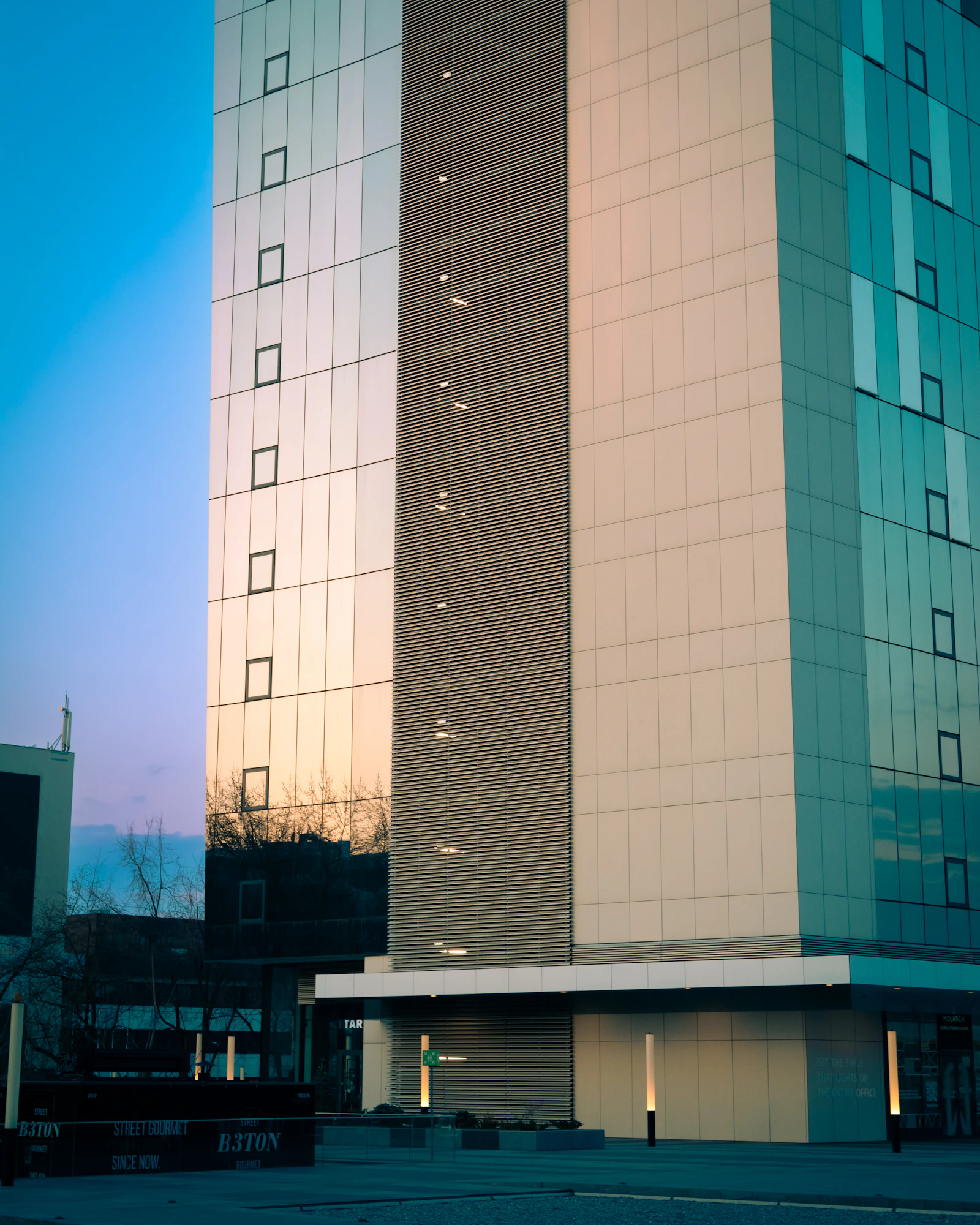
Pipera’s architecture is almost entirely 21st century. The aesthetic is international corporate — glass curtain walls, steel frames, and the clean geometric lines of modern office design. Pipera Business Tower and its neighboring developments represent the standard formula of global business districts.
The residential architecture follows similar contemporary patterns: gated communities with modern villas, mid-rise apartment complexes with amenities like underground parking and fitness centers. These developments prioritize function, privacy, and convenience over architectural expression.
There is little of the historical layering that makes other Bucharest neighborhoods architecturally interesting. What Pipera offers instead is a sense of what the city is becoming — modern, internationally oriented, and designed for 21st-century living. For architecture enthusiasts, the contrast between Pipera and neighborhoods like Cotroceni or Dorobanti illustrates the full spectrum of Bucharest’s building traditions.
Where to Eat & Drink
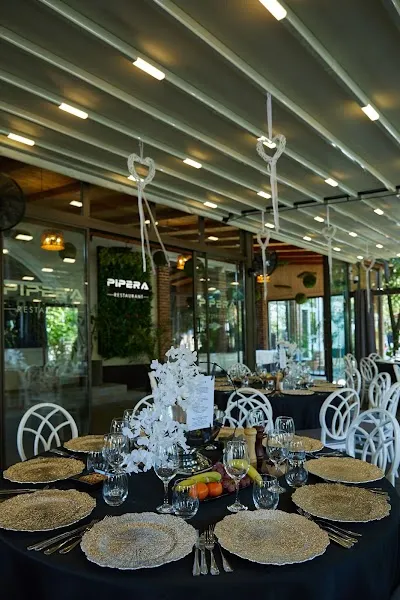
Dining in Pipera has grown beyond the mall food courts that once defined it. A cluster of restaurants has developed along Bulevardul Pipera and Strada Erou Iancu Nicolae, serving the business and residential population with everything from Italian to Irish pub fare. The experience is modern and convenient, and quality has risen notably in recent years.
Where to Eat & Drink in Pipera Neighborhood Guide -- Business, Shopping & Tips | Salut Bucuresti
Our tested picks for restaurants, cafes, and bars
Restaurants
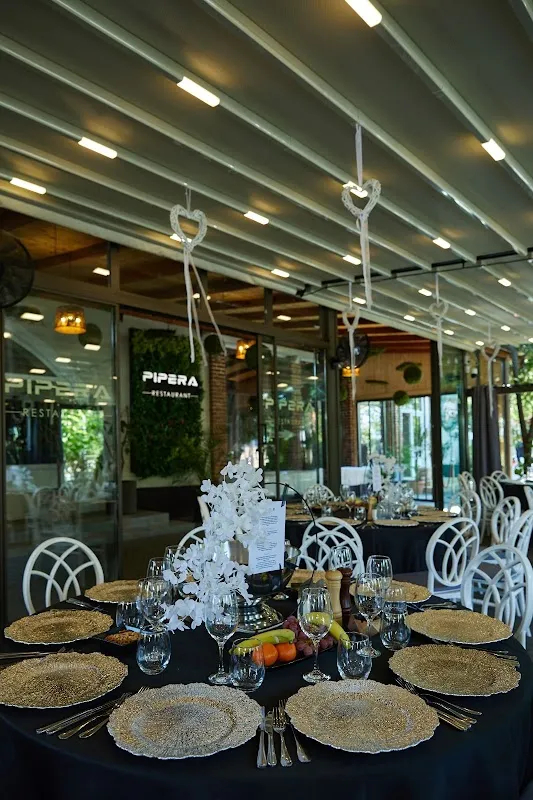 Restaurant Pipera
 Restaurant Pipera
A European-style restaurant right on Bulevardul Pipera, popular with both office workers and local residents. Seasonal menu, well-prepared classics, and a pleasant terrace.
 Sciccheria Pipera
 Sciccheria
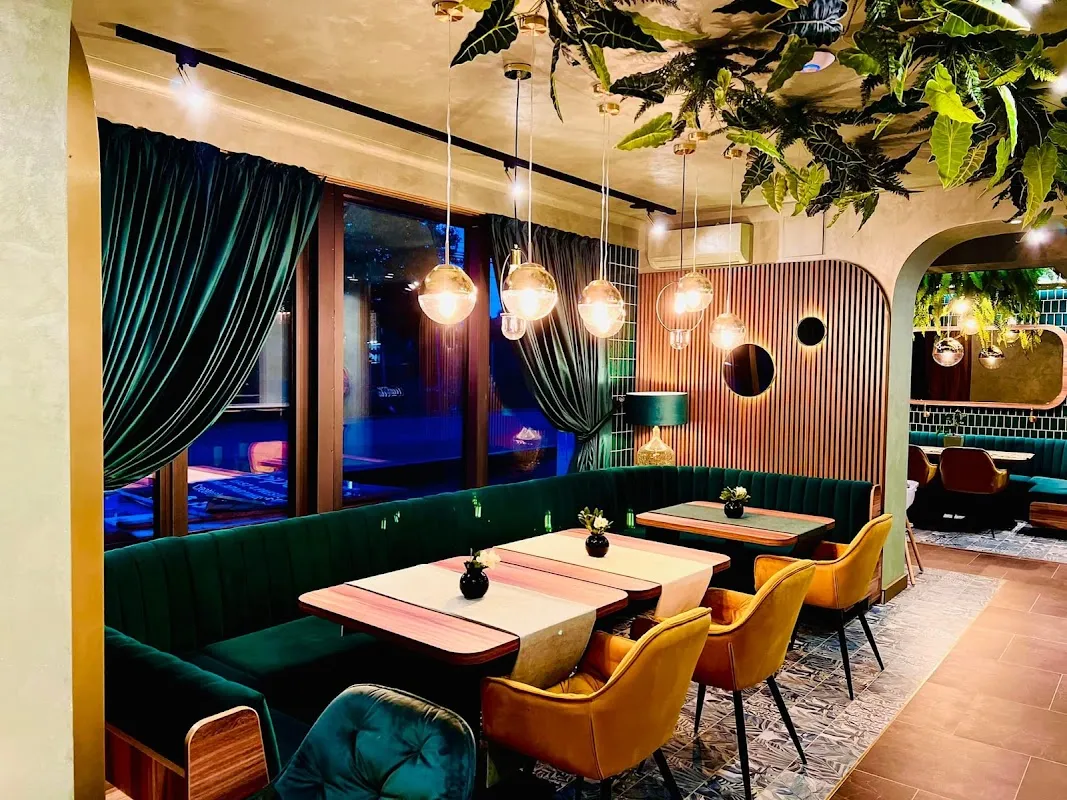
Italian-inspired dining on Bulevardul Pipera with fresh pasta, risotto, and a carefully curated wine list. A cut above the typical business-district fare.
 Brasserie 41
 Brasserie 41
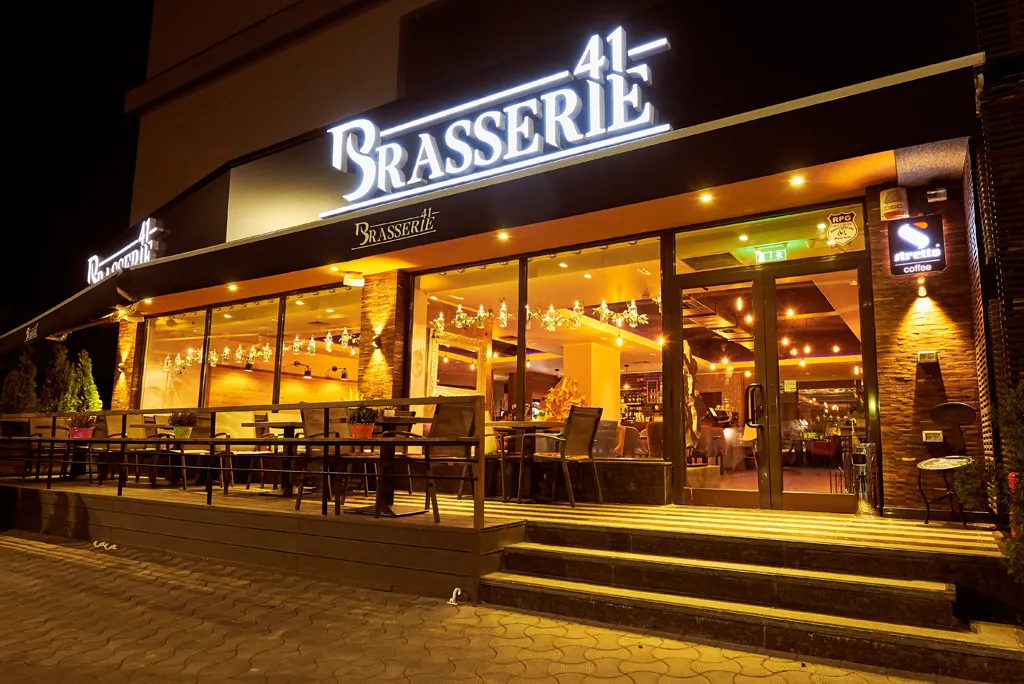
A polished brasserie on Strada Erou Iancu Nicolae, serving an international menu of brunch plates, salads, and hearty mains. Popular with the young families in the surrounding residential area.
Cafes
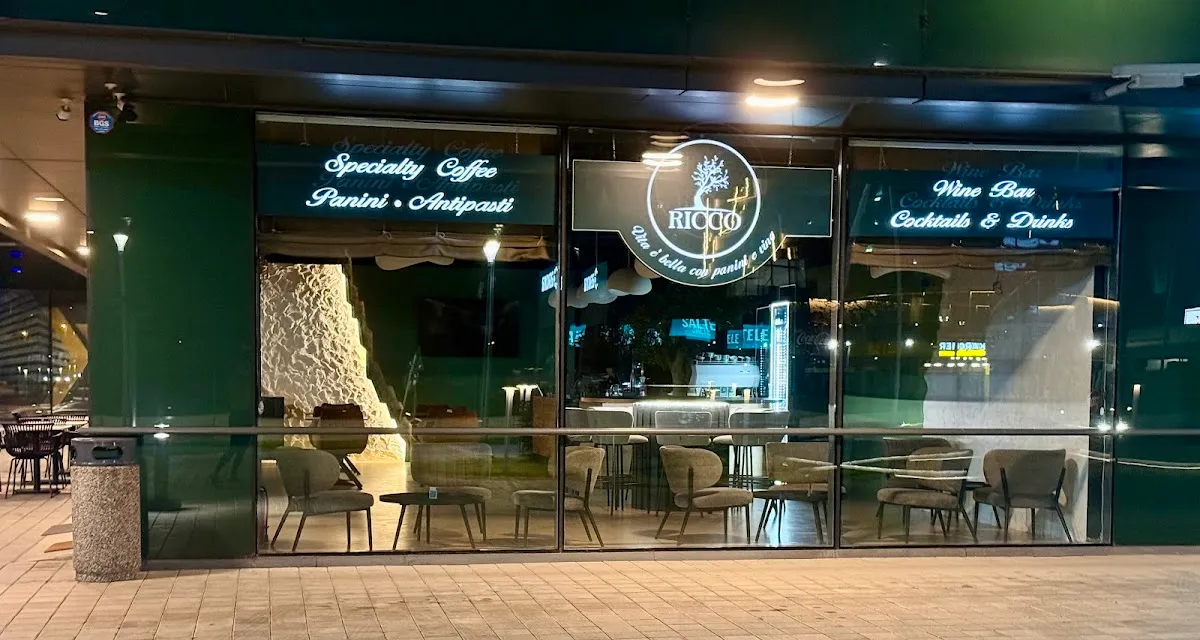 RICCO – Speciality Coffee, Panini & Drinks
 RICCO Speciality Coffee
Specialty coffee shop inside the Hyperion Towers on Bulevardul Pipera. Excellent espresso, panini, and a clean modern space -- the best coffee option in the immediate Pipera business area.
Bars
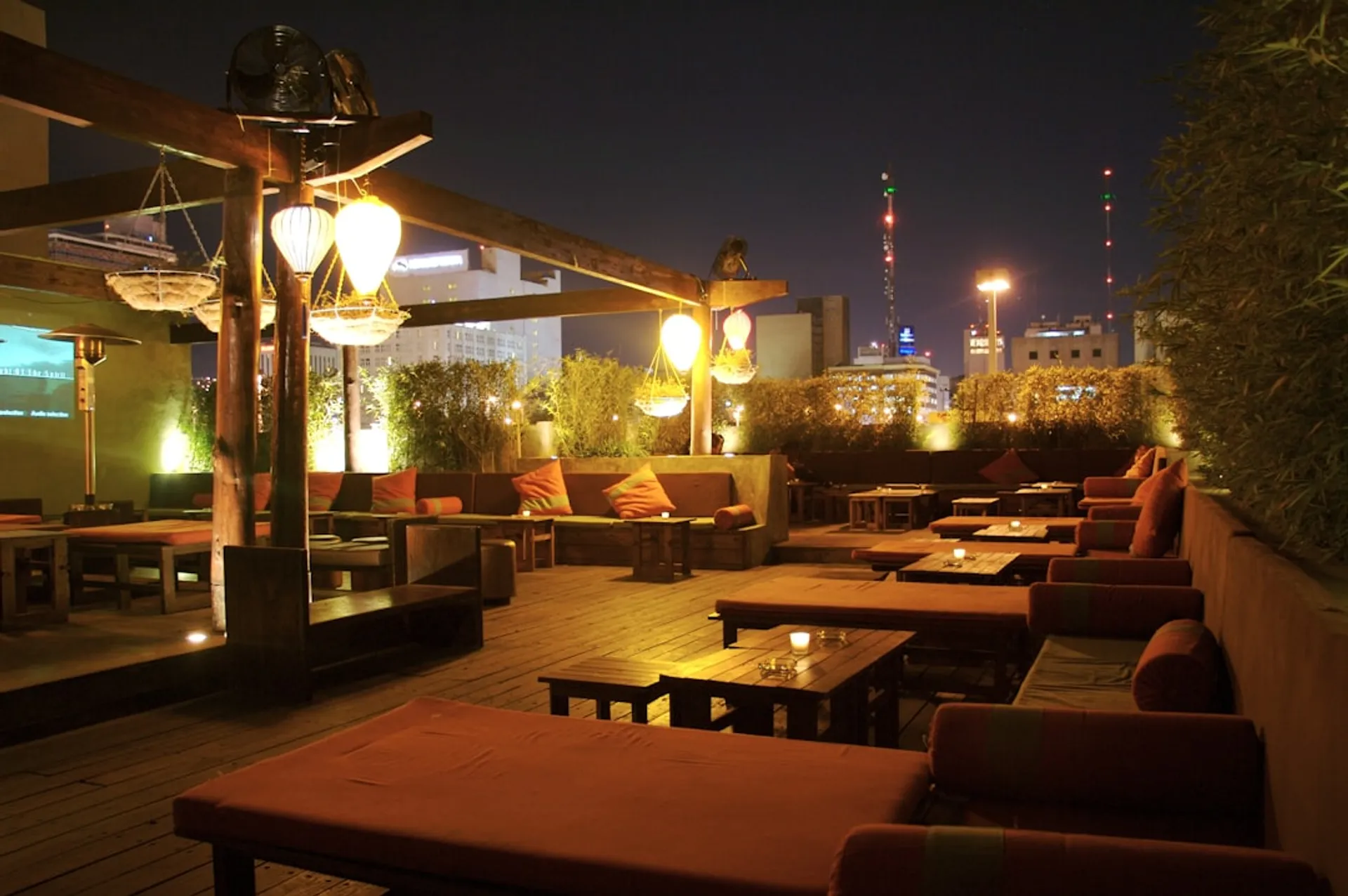
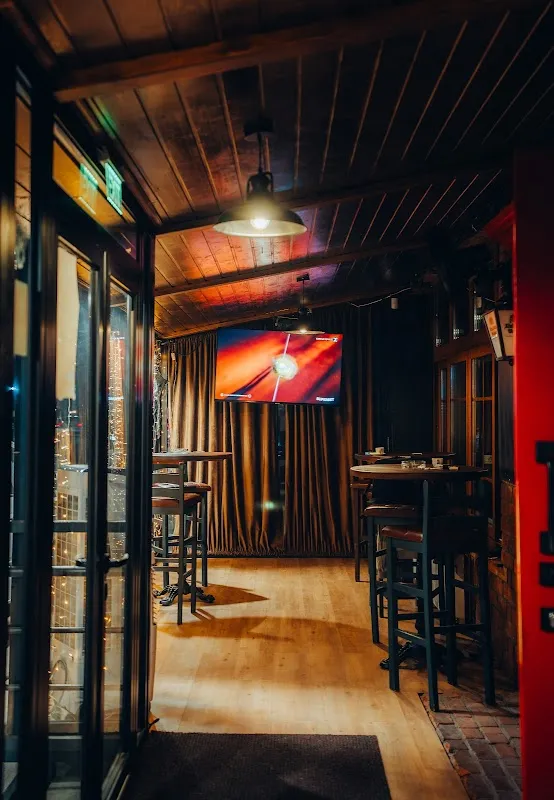 Ginger Horse Irish Pub
 Ginger Horse Irish Pub
An Irish pub on Bulevardul Pipera that serves as the neighborhood's go-to spot for after-work drinks. Draft beers, pub food, and a convivial atmosphere among the office towers.