Prices verified: March 2026
Have more questions about K.H. Zambaccian Museum? Ask Bucur.History
The K.H. Zambaccian Museum is the former residence of Armenian-Romanian art collector Krikor H. Zambaccian (1889-1962), a businessman and connoisseur who assembled one of the most personal and distinctive private art collections in interwar Romania. Zambaccian donated his collection and his villa to the Romanian state in 1947, and the house was converted into a public museum that opened the same year.
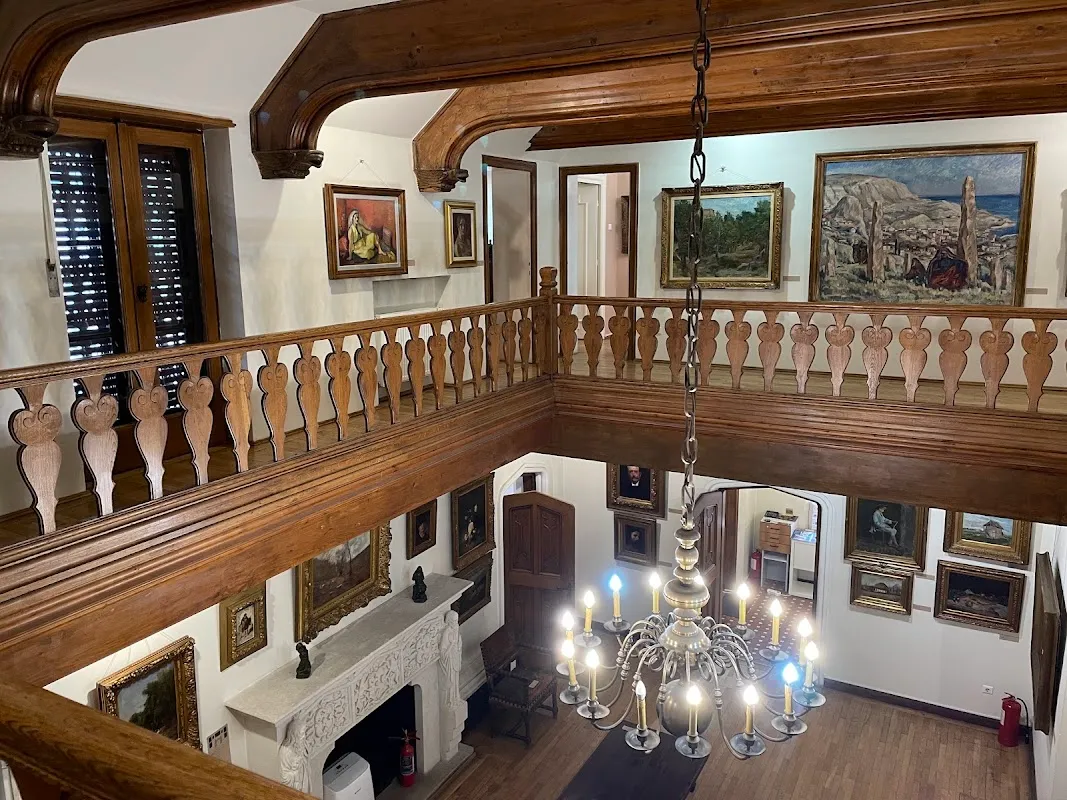
The museum is now affiliated with the National Museum of Art of Romania (MNAR), which manages it alongside the Theodor Pallady Museum and the main MNAR galleries on Calea Victoriei. The villa itself, built in the 1920s and still arranged largely as Zambaccian lived in it, gives the collection an intimate domestic atmosphere unusual for art galleries — you walk through what was once a private home with a private taste shaping every wall.
What to See
- Romanian masters of the late 19th and early 20th century — a strong nucleus of works by Nicolae Grigorescu, Theodor Aman, Stefan Luchian, Ion Andreescu, and Theodor Pallady, all major figures in Romanian art history
- The French collection — Renoir, Pissarro, Cezanne, Bonnard, Matisse, and Utrillo (a remarkable pull for a private Romanian collector of his time)
- Sculptures by Romanian and French artists — including pieces by Constantin Brancusi, displayed integrated with the paintings rather than in a separate sculpture room
- The villa’s original features — preserved staircases, panelling, and furniture that contextualise the collection as a personal taste rather than a curated public statement
- Temporary exhibitions — MNAR rotates additional works through the upper rooms, drawing on its much larger national collection
“Zambaccian is the most personal art museum in Bucharest. It is small, idiosyncratic, and entirely free of the institutional polish that flattens larger galleries.”
Tips for Visiting
Visit on the first Wednesday of the month for free admission. The MNAR network grants free entry across all its sites on that day.
Allow 45-60 minutes. The collection is small but rewards careful looking. Plan slightly more if you want to read the wall texts.
Closed Monday and Tuesday. Hours differ slightly from the main MNAR site — Wed-Fri 10:00-18:00, Sat-Sun 11:00-19:00.
Bring cash or card. At 10 RON for adults, this is one of the most affordable significant art museums in Bucharest. Students and visitors with disabilities pay 2.50 RON; pensioners 5 RON.
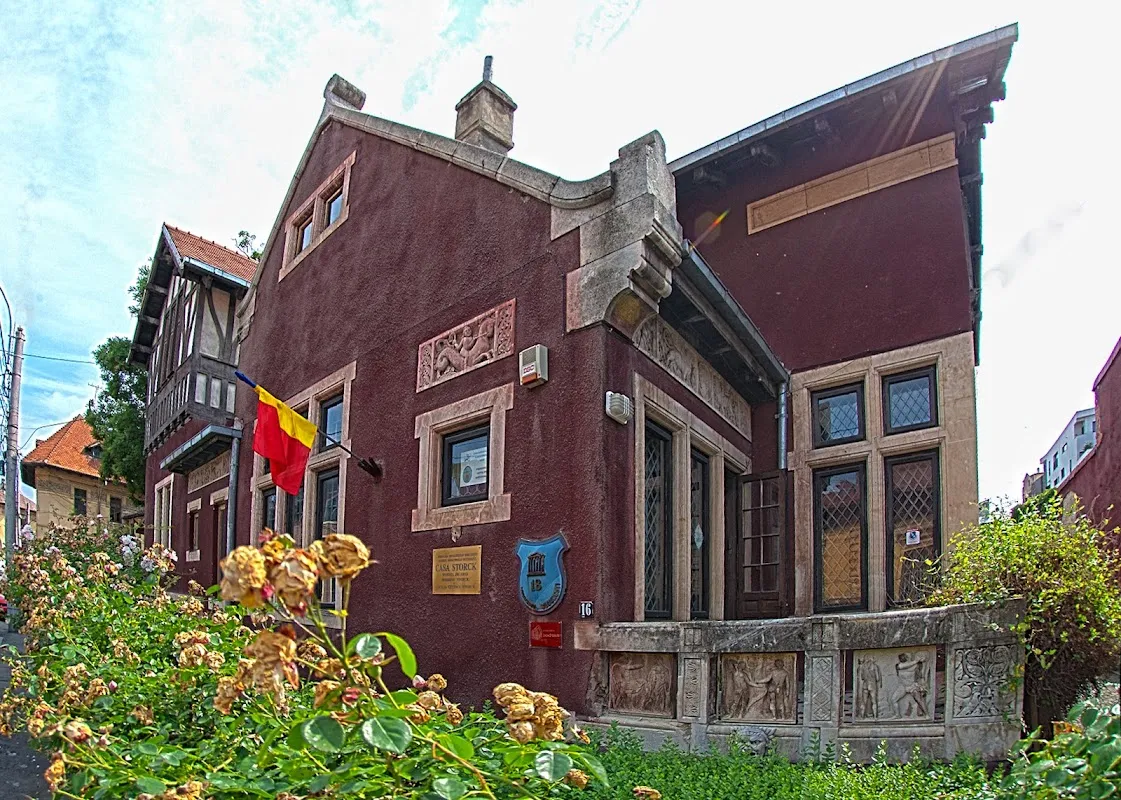
Combine with the Storck Museum. Both are intimate house museums in the same northern stretch of the city, both administered by MNAR-affiliated institutions, and they make an excellent half-day pairing.
Getting there: The museum is in Floreasca, set back from Soseaua Nordului. Bus lines 331 and 335 stop nearby. From Aurel Vlaicu metro (M2), it is a 12-minute walk through quiet residential streets.
Combine with: Storck Museum (~10 min by Bolt). National Museum of Art (MNAR) on Piata Revolutiei — worth pairing for the day if you have free first Wednesday access.
Is It Worth It?
For art lovers and anyone interested in Romanian collecting culture: absolutely. The Grigorescu, Pallady, and Luchian holdings are exceptional, and the French works (Renoir, Cezanne, Pissarro) are unexpectedly strong for a small museum. At 10 RON entry — and free on the first Wednesday of every month — the value is impossible to argue with. Skip it only if your trip is short. Otherwise it pairs naturally with the Storck Museum for a quietly excellent afternoon away from the major tourist circuit.
Strada Muzeul Zambaccian 21A, Sector 1, Bucuresti
Open in Google Maps