Prices verified: March 2026
Have more questions about Frederic Storck and Cecilia Cutescu-Storck Museum? Ask Bucur.History
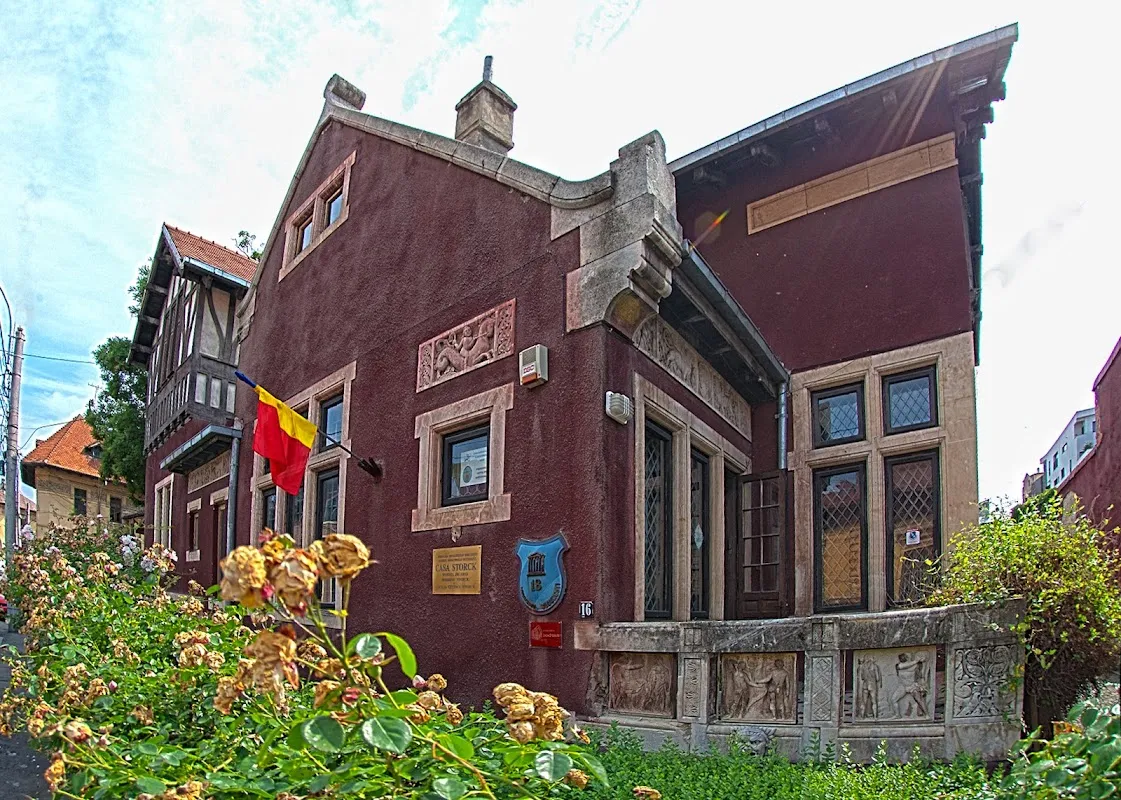
The Storck house was built between 1911 and 1913 in an English-Flemish architectural style for sculptor Frederic Storck (1872-1942) and his wife, painter Cecilia Cutescu-Storck (1879-1969). It was both their family home and their working studio for the rest of their lives. The interior frescoes that line the staircase and central hall were painted by Cecilia herself and remain in their original positions today.
The Storcks were central figures in early 20th-century Romanian art. Frederic was the son of sculptor Karl Storck, the founding professor of sculpture at the Bucharest School of Fine Arts; he and his brother Carol Storck inherited a sculpting tradition that the family extended over three generations. Cecilia was one of the first women admitted to the Académie Julian in Paris and became the first female professor at the Bucharest Academy of Fine Arts. After Cecilia’s death in 1969, the house was preserved as a museum and opened to the public.
What to See
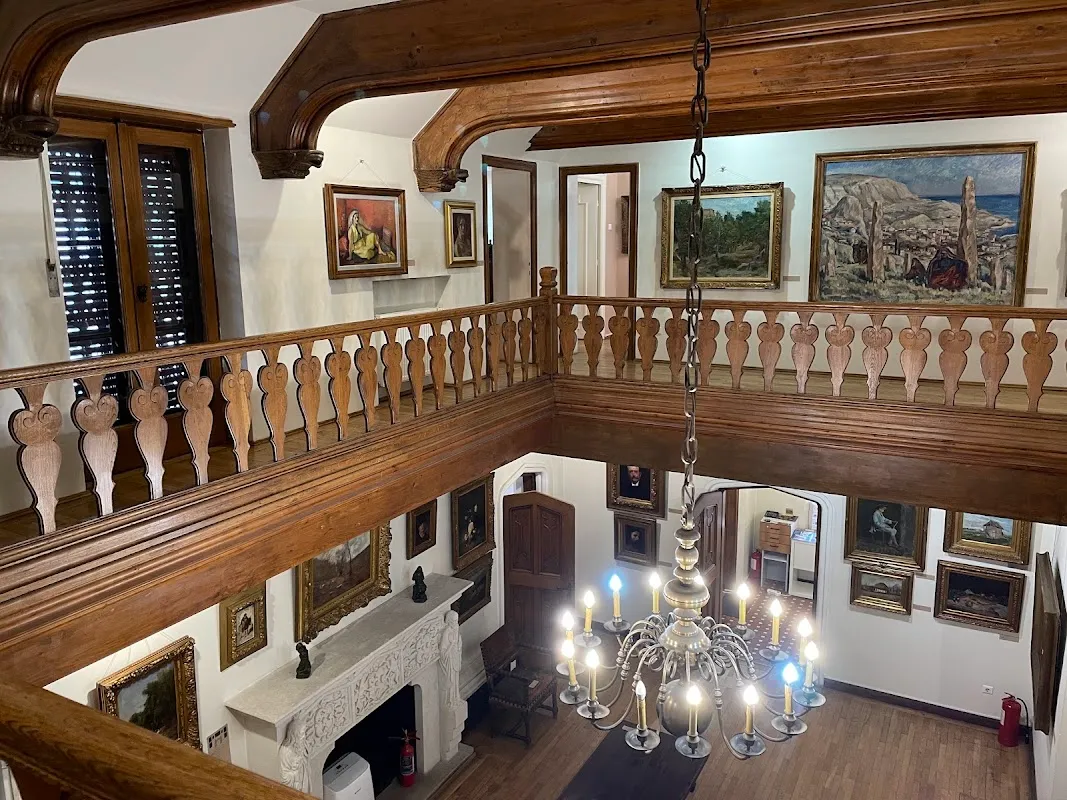
- Cecilia’s frescoes on the central staircase and main rooms — monumental allegorical compositions painted directly onto the plaster, an extraordinarily rare survival
- Frederic Storck’s sculpture collection — bronze and marble works, busts, and the artist’s working models displayed in the rooms where he made them
- Original family furniture and personal objects — preserved as the artists left them, giving the museum the feel of a private home rather than a curated institution
- Karl Storck’s earlier works — the previous generation’s sculpture, integrated into the family display
- The bronze medal collection — a small but excellent assemblage, alongside ancient coins and religious icons gathered by the family
- Drawings and works on paper — ink, charcoal, pastel, watercolour, and gouache pieces in changing displays
“The Storck house is the rarest kind of museum — a real artist’s home preserved exactly as they left it. Forty-five minutes here is more rewarding than two hours in many bigger institutions.”
Tips for Visiting
Allow 45-60 minutes. The museum is small. It rewards slow attention rather than ground covered.
Photography requires a permit. 22 RON purchased at the ticket desk. Without it, photography inside is not allowed.
Closed Monday and Tuesday. Wed-Sun 10:00-18:00; ticket desk closes at 17:30 — arrive by 17:15 at the latest.
Cash and card both accepted at the ticket desk. The ticket itself is one of the cheapest in Bucharest at 14 RON.
Combine with the Zambaccian Museum. Both are MNAR-affiliated, both are intimate house museums, and they sit just over 1 km apart in the same northern stretch of Bucharest — an excellent half-day pairing.
Getting there: Bus lines 1, 19, 23, 27, 123, and 124 stop near Vasile Alecsandri. From Piata Romana metro (M2), it is an 8-minute walk through quiet streets in the Romana / Dorobanti area.
Combine with: Zambaccian Museum (~25 min walk or 10 min by Bolt). Romanian Athenaeum is 15 minutes south on foot.
Is It Worth It?
For art lovers and anyone interested in early 20th-century Romanian artistic life: absolutely. This is one of the most distinctive small museums in Bucharest — the kind of place serious culture travelers seek out and casual tourists never find. At 14 RON, it is also one of the best-value cultural experiences in the city. Skip it only if your trip is short and packed with bigger landmarks; otherwise, an hour here is one of the more memorable cultural hours you can spend in Bucharest.
Strada Vasile Alecsandri 16, Sector 1, Bucuresti
Open in Google Maps