Overview
Primaverii is the quietest kind of wealthy — a neighborhood that does not announce itself with glass towers or branded storefronts, but with deep gardens, mature plane trees, and the discreet hum of diplomatic life. Located between Herastrau Park and Piata Charles de Gaulle, this is where Bucharest’s political and financial elite have lived for nearly a century, and the neighborhood carries that legacy in every shaded boulevard and gated compound.
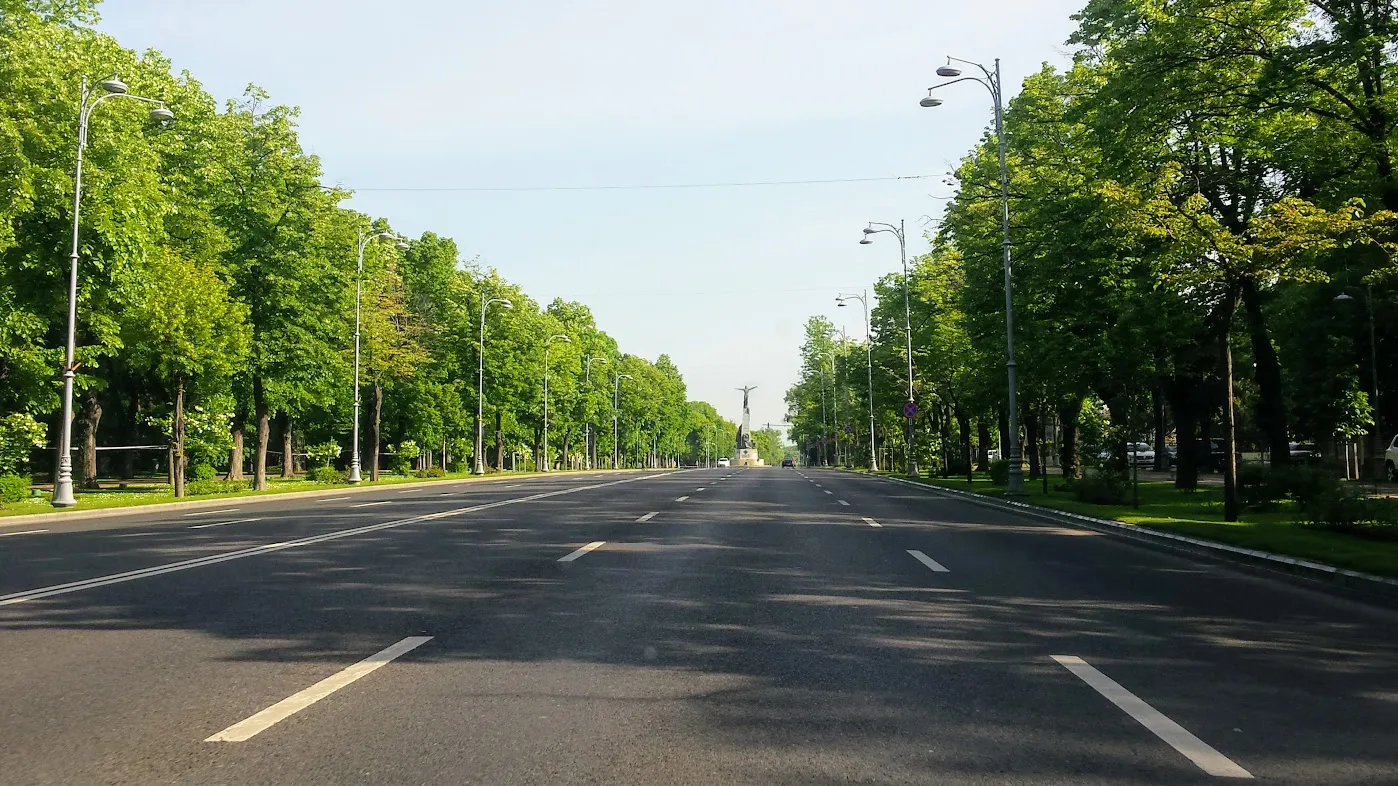
The streets here are unusually wide and leafy for Bucharest, lined with interwar villas that range from restored architectural gems to gently fading grandeur. Embassies occupy many of the larger properties, giving Primaverii an international atmosphere and a security presence that keeps the area peaceful and well-maintained. Walking through on a weekday afternoon, you are more likely to hear birdsong than traffic.
For visitors, Primaverii offers a glimpse of a Bucharest that most tourists never see — the residential city of old gardens and private courtyards, where the pace slows and the coffee is unhurried. The dining options tend toward refined but not flashy, the kind of neighborhood restaurants where regulars have their usual tables. It is a short walk to the energy of Floreasca or the park at Herastrau, but Primaverii itself remains a pocket of composed elegance.
History
Primaverii — meaning “of Spring” in Romanian — saw its first houses built in the 1930s, all with ground and first floors. Initially, the area was close to the gas and electricity factory, which shaped its early character. Following the Soviet model, the Communist regime chose Primaverii in the early 1950s as the neighborhood where villas would be built for state officials, and construction of these residences began around 1950.
The most notable resident was Nicolae Ceausescu himself. The Spring Palace (Palatul Primaverii), built in the mid-1960s and known by the code name P50 during the communist period, served as the Ceausescu family home for almost two decades. Designed by architect Aron Grimberg-Solari on a plot originally covering over 14,000 square meters (enlarged in 1970-1971), the 80-room mansion contained a swimming pool, cinema, solarium, greenhouse with exotic plants, a wine cellar, and rooms decorated with silk wallpaper, Murano glass, and paintings by major Romanian artists. Opened as a museum in 2016, it is a fascinating and somewhat unsettling time capsule.
After 1989, Primaverii attracted embassies, international organizations, and Romania’s new business elite. Many villas were restored, others subdivided or replaced with modern apartment buildings that attempt (with varying success) to match the neighborhood’s established character. Today, Primaverii remains Bucharest’s most coveted address, consistently the most sought-after area in the premium and luxury residential segment.
Architecture
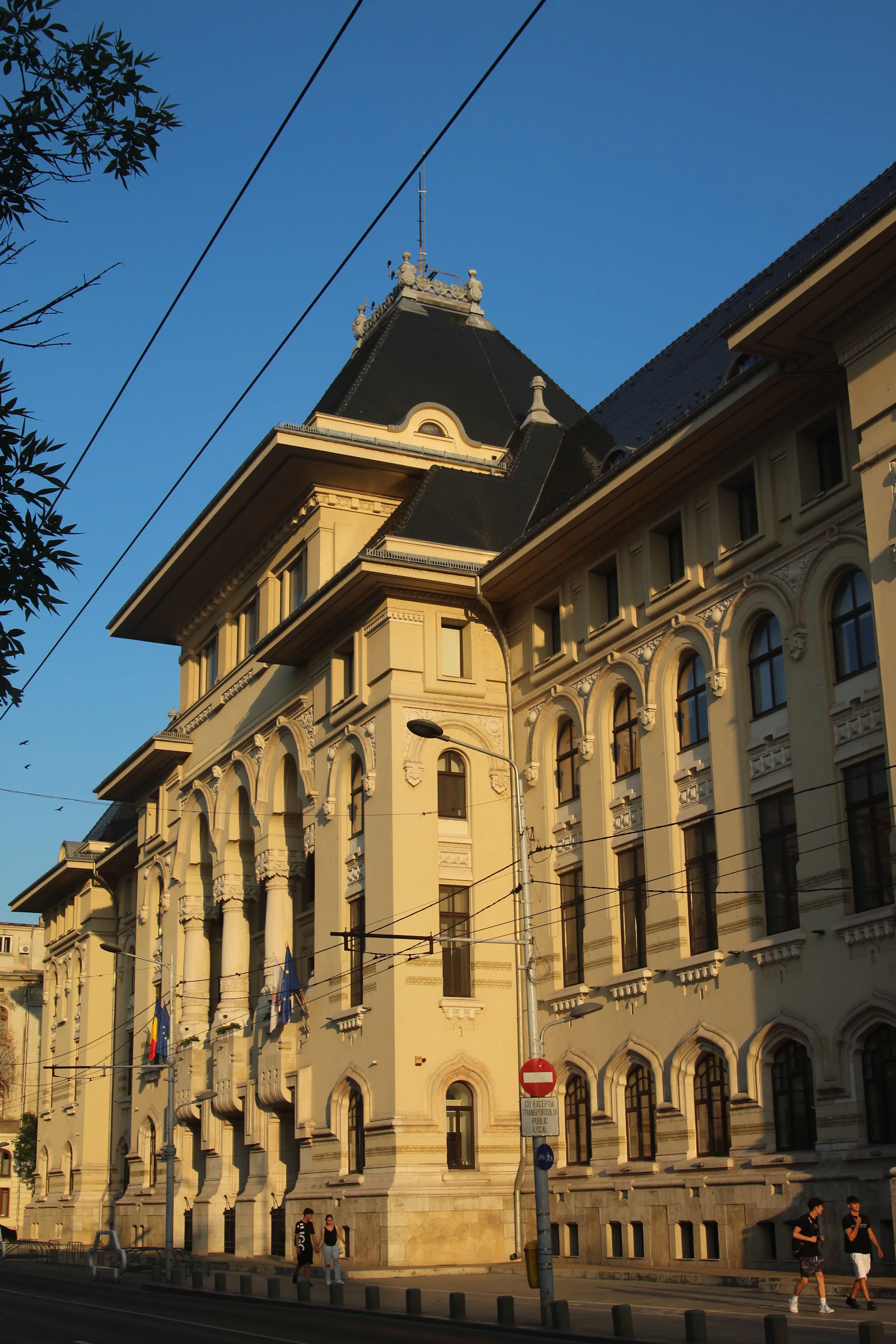
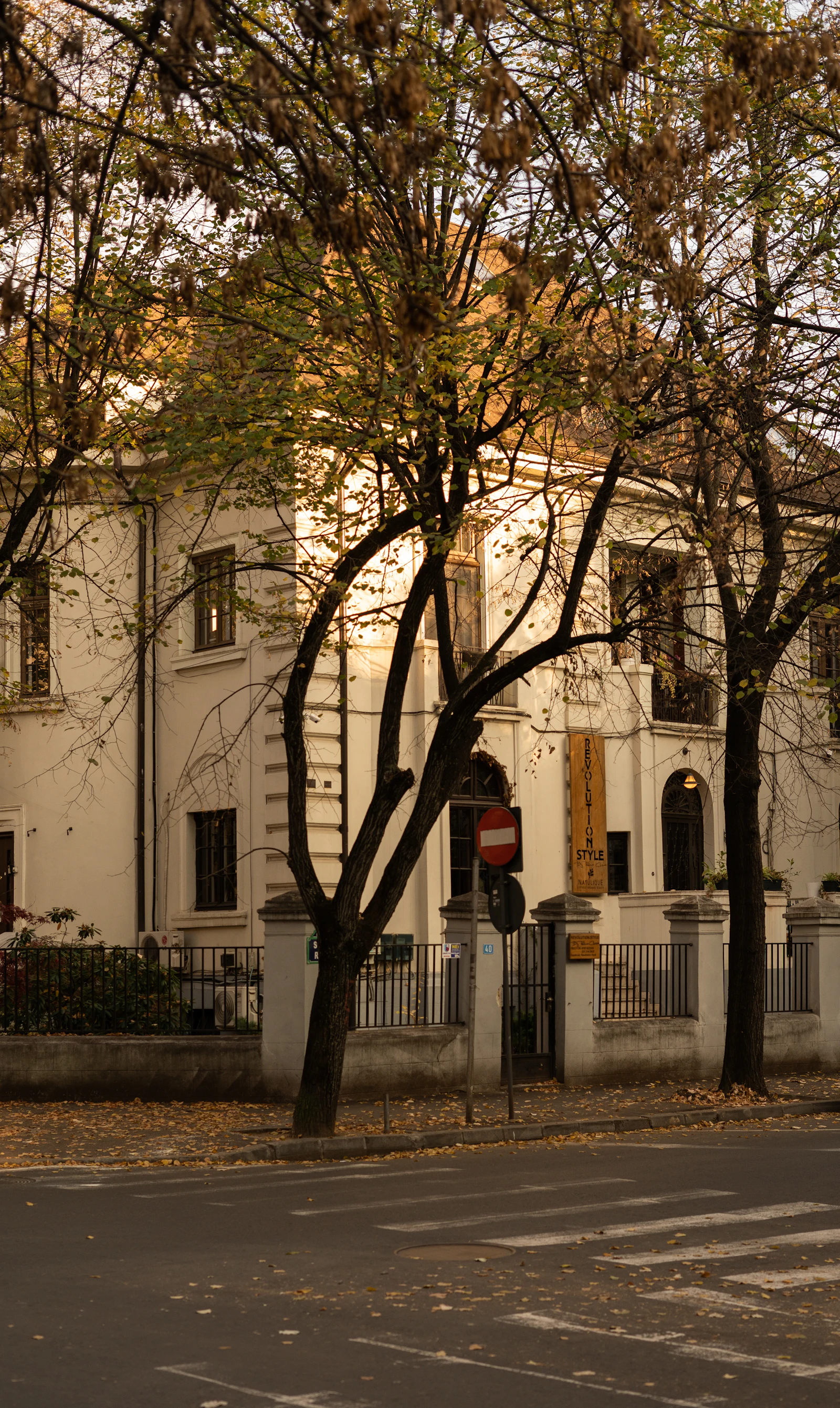
Primaverii is an outdoor museum of interwar Romanian architecture. The neighborhood’s streets showcase virtually every style that was fashionable among Bucharest’s elite between the wars — from ornate Neo-Brancoveanu villas with carved stone details and arcaded loggias to sleek Art Deco residences with rounded corners and porthole windows.
The most distinctive feature is scale. Unlike the grand but dense boulevards of Dorobanti, Primaverii’s houses were built on generous lots with substantial gardens. Many properties sit behind wrought-iron fences draped in wisteria and climbing roses, giving the neighborhood its characteristic green, almost suburban feel. Several of these gardens contain mature trees that predate the houses themselves.
Communist-era interventions were relatively restrained here compared to other parts of Bucharest — the regime preferred to occupy the existing villas rather than demolish them. Some apartment blocks were built on the periphery, but the core residential streets retained their prewar character. Post-1989 development has been more disruptive, with modern villas and small apartment buildings sometimes breaking the visual harmony of a street.
The Ceausescu residence, Palatul Primaverii, stands as the neighborhood’s most architecturally complex building — an extravagant 80-room mansion designed by architect Aron Grimberg-Solari, mixing neoclassical, Art Deco, and baroque elements, all filtered through the particular taste of the Ceausescu family. Now open as a museum, its interior of silk wallpaper, Murano glass, and paintings by major Romanian artists offers a window into dictatorial excess.
Where to Eat & Drink
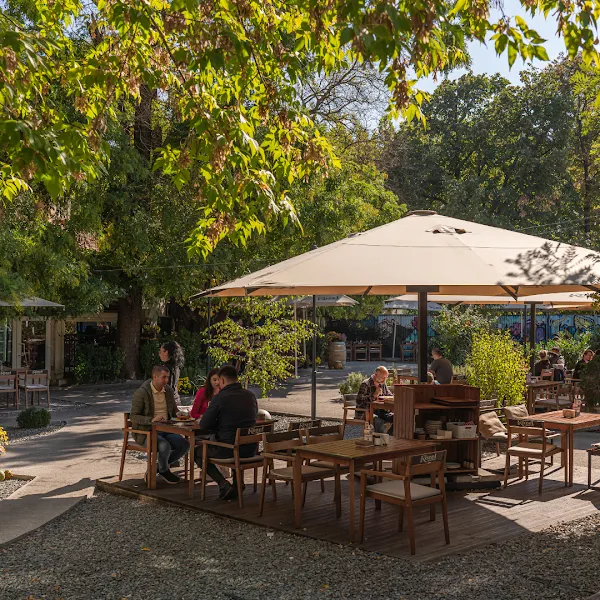
Dining in Primaverii is a civilized affair. The boulevard itself hosts several of the neighborhood’s most established restaurants, from Romanian grills to upscale Italian and steakhouses. Expect garden terraces, attentive service, and the kind of measured elegance that suits the neighborhood. City Grill Primaverii anchors the boulevard with its traditional Romanian menu, while Osho offers a more refined steakhouse experience. Fior di Latte brings handmade Italian pasta to a beautiful terrace setting.
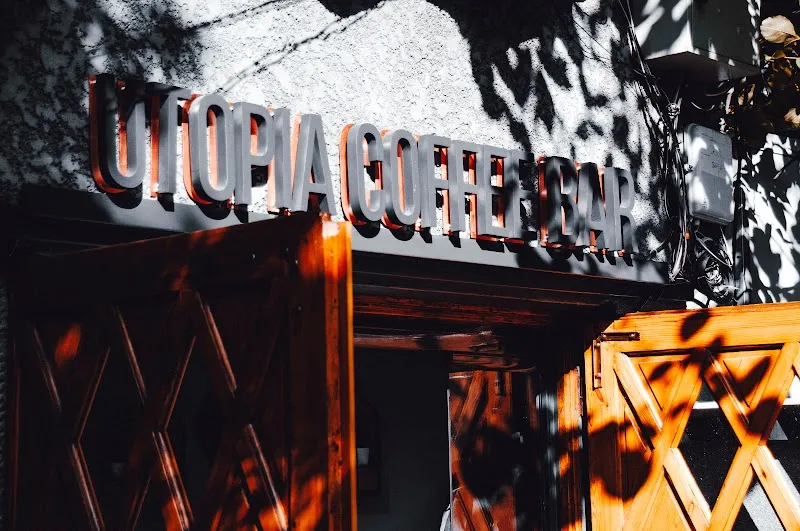
For coffee, Utopia Coffee Bar on Bulevardul Primaverii is a neighborhood favorite with specialty beans and a calm atmosphere that matches the quarter’s character. At the edge of the neighborhood, Buongiorno Italian Primaverii draws families and groups for generous Italian portions and one of the area’s largest terraces.
Where to Eat & Drink in Primaverii Neighborhood Guide -- History, Dining & Tips | Salut Bucuresti
Our tested picks for restaurants, cafes, and bars
Restaurants
 City Grill Primăverii
 City Grill Primaverii
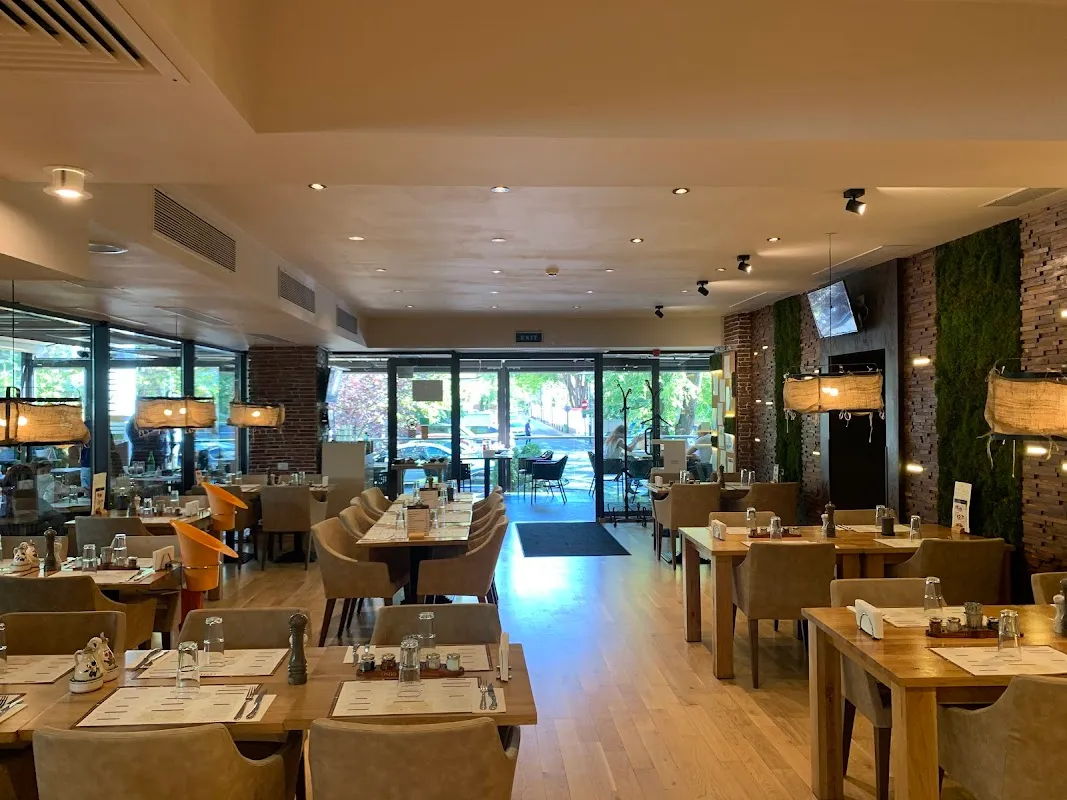
One of Bucharest's most popular Romanian restaurant chains, with its Primaverii location on the boulevard itself. Grilled meats, traditional Romanian dishes, and a spacious terrace. A neighborhood anchor.
 Бегущий Банкир (Андрей Онистрат)
 Osho
An upscale steakhouse on Bulevardul Primaverii with premium cuts, an extensive wine list, and a polished atmosphere. One of the most refined dining experiences in the neighborhood.
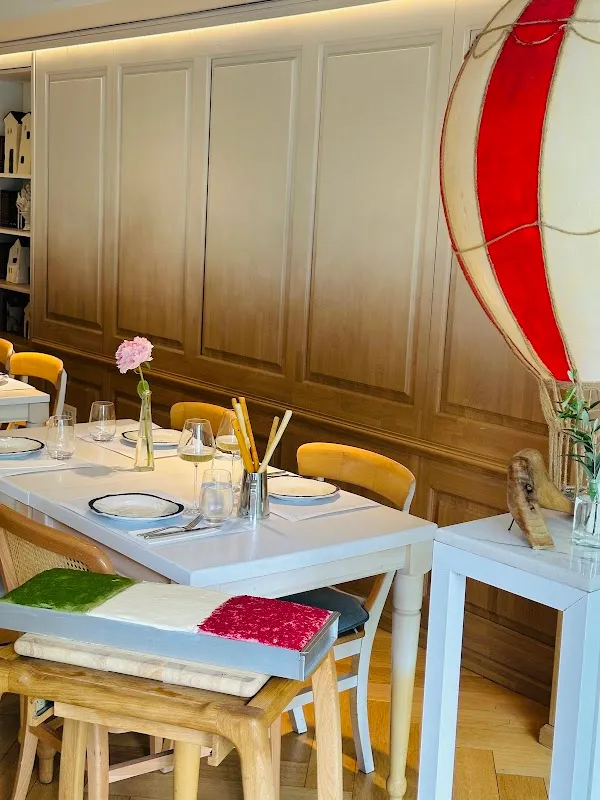 Fior di Latte Restaurant Italian
 Fior di Latte
Upscale Italian dining on Bulevardul Primaverii with handmade pasta and wood-fired dishes. The summer terrace is perfect for a long, unhurried lunch in the shade of the boulevard's trees.
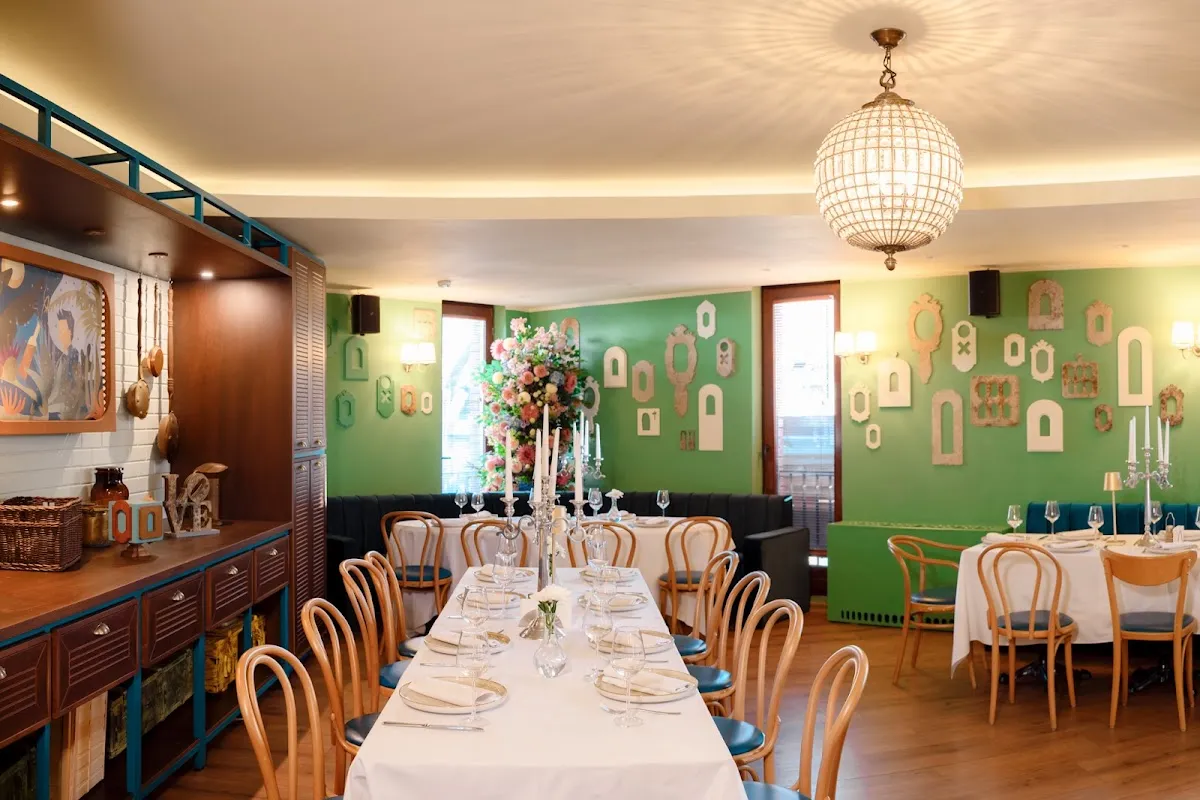 Buongiorno Italian Primăverii
 Buongiorno Italian Primaverii
A well-loved Italian restaurant at the border of Primaverii and Herastrau. Generous portions of pizza, pasta, and Italian classics in a warm, family-friendly setting with a large terrace.
Cafes
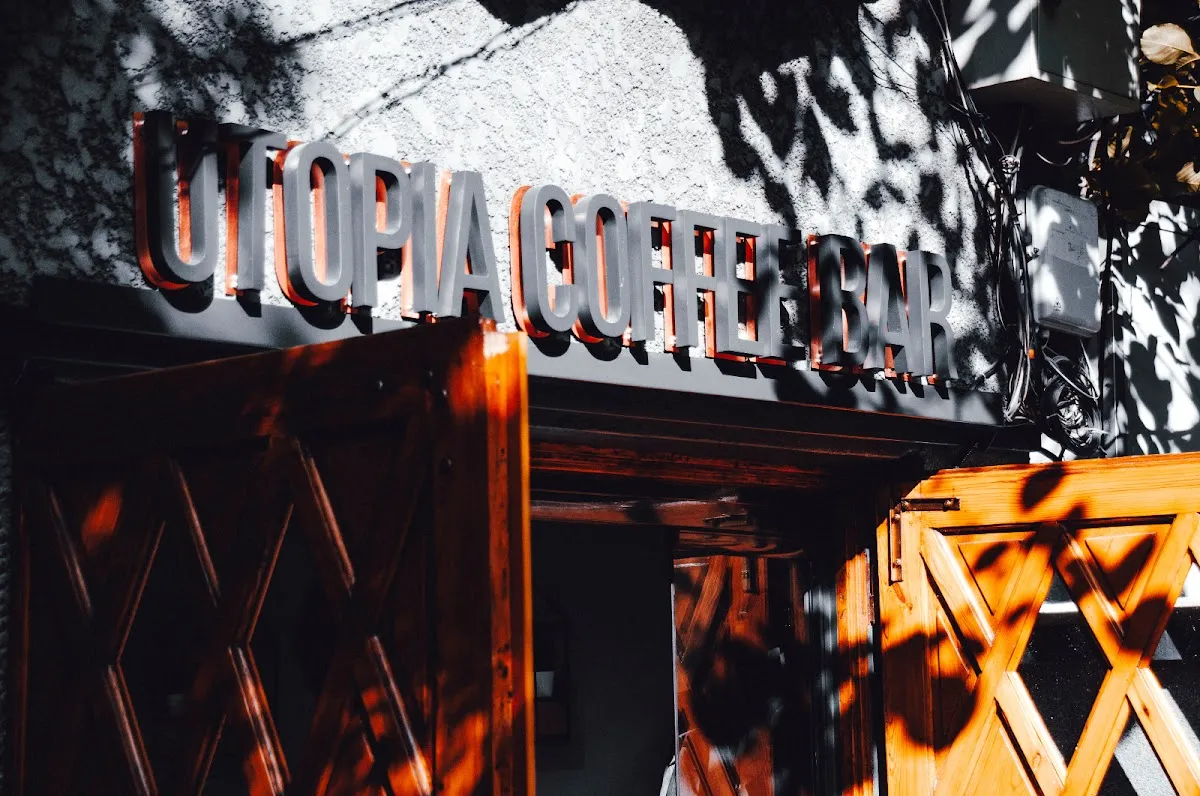 Utopia Coffee Bar
 Utopia Coffee Bar
A specialty coffee bar right on Bulevardul Primaverii with carefully sourced beans, skilled baristas, and a calm, inviting atmosphere. A favorite of the neighborhood's residents and embassy staff.
A Glimpse into the Past
Aerial view of Bucharest, 1927 -- the northern outskirts, where the elite Primaverii neighborhood would be built, were still largely undeveloped at this time
Photo: Unknown author · Public domain · Wikimedia Commons