Overview
Drumul Taberei defies the stereotypes of communist-era urban planning. While much of Bucharest’s socialist-period development produced grim, utilitarian landscapes, Drumul Taberei’s original architects did something different: they incorporated generous green spaces, integrated schools and commercial areas, and created a neighborhood that, despite its concrete apartment blocks, has genuine livability.
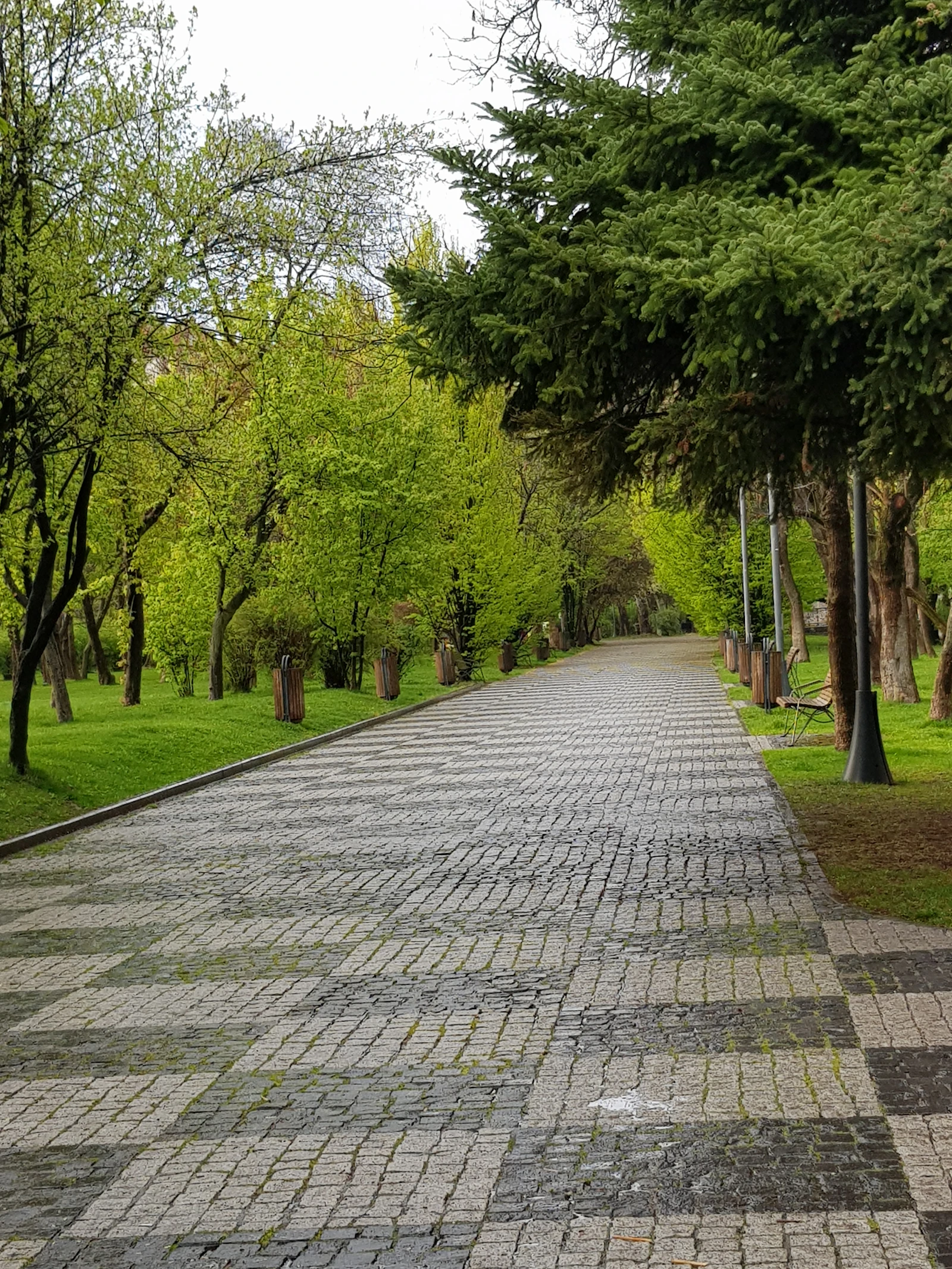
Home to over 100,000 residents in southwest Bucharest, Drumul Taberei is one of the city’s greenest neighborhoods. Parcul Drumul Taberei — a beloved local park — provides the community’s green heart, while distinct commercial zones named Favorit, Orizont, and Drumul Taberei 34 give the area a sense of internal geography that most block neighborhoods lack.
The opening of the M5 metro line in September 2020 was transformative, connecting this traditionally isolated neighborhood to the city center in minutes. What was once a 40-minute bus ride to Eroilor is now a 15-minute metro trip, making Drumul Taberei significantly more accessible for both residents and visitors.
For tourists, Drumul Taberei is not a typical destination. But for anyone interested in how most Bucharest residents actually live — in a community with strong local identity, affordable prices, and a quality of daily life that surprises outsiders — it is worth the metro ride.
History
The name Drumul Taberei means “Camp Road” — a reference to 1821, when Tudor Vladimirescu and his pandur militia set up camp on the open fields near Cotroceni Monastery before entering Bucharest during the uprising against Phanariote Greek rule. The camp was not merely a resting place but a strategic base: temporary fortifications of earth and wood were built to withstand potential attacks. This event became a pivotal moment in Romanian independence history.
For more than a century after 1821, Drumul Taberei remained open fields on the city’s outskirts. During the interwar period, the land served as a training ground for the Military Academy, located near the neighborhood’s eastern edge in Cotroceni.
The 1960s brought radical change. The communist authorities chose the area for a modern residential neighborhood, making Drumul Taberei the first district constructed entirely from scratch in Bucharest after World War II. Crucially, it was conceived according to urbanistic principles inspired by Le Corbusier, the father of modern architecture — incorporating generous green spaces, integrated schools, kindergartens, and commercial centers into the residential fabric in a way that was unusual for communist-era developments.
The neighborhood quickly developed its own identity. The named commercial zones — Favorit, Orizont, Raul Doamnei — became landmarks that residents used to navigate and define their local geography. Over decades, the trees planted during construction matured into a genuine urban canopy, earning the area its reputation as one of Bucharest’s greenest neighborhoods.
The M5 metro line, decades in planning and construction, finally opened in September 2020. Running through the neighborhood with multiple stations, it transformed connectivity and signaled the city’s investment in Drumul Taberei’s future.
Architecture
Drumul Taberei’s architecture represents communist-era residential building at its most considered. As the first Bucharest district built entirely from scratch after World War II, it was designed according to Le Corbusier-inspired urbanistic principles. The apartment blocks here are not the chaotic, cramped constructions found in some other parts of Bucharest’s periphery. They follow planned layouts with attention to spacing, orientation for sunlight, and integration with green spaces.
The blocks themselves are standard 8-to-10-story concrete panel buildings, their facades uniform but softened by decades of balcony additions, climbing plants, and the mature tree canopy that now shades the streets between buildings. The effect is greener and more humane than the architecture alone would suggest.
The M5 metro stations, designed and built in the 2010s-2020s, introduce contemporary infrastructure design to the neighborhood. Their clean, modern interiors contrast sharply with the surrounding residential architecture but signal the area’s connection to the wider city.
Parcul Drumul Taberei itself is the neighborhood’s best design element — a thoughtfully landscaped park that provides the community gathering space, recreation area, and visual relief that make the surrounding residential density livable.
Where to Eat & Drink
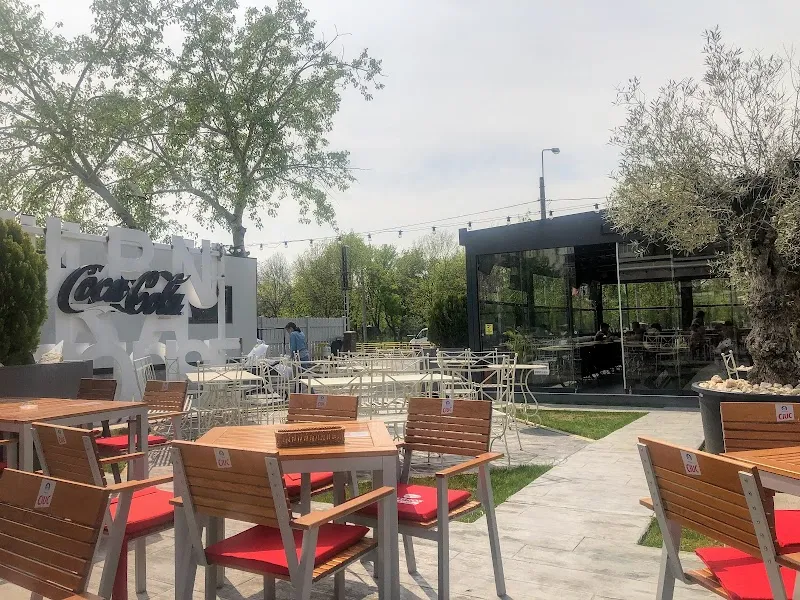
Drumul Taberei’s dining scene is local and unpretentious. Popular spots like Urban House and Basilico draw crowds from the surrounding blocks, while specialty coffee from Amazoniq and the social atmosphere of Pardon prove that neighborhood dining can surprise even seasoned visitors. The restaurants and cafes here serve residents rather than tourists, which means honest cooking, modest prices, and an authentic atmosphere free of tourist markup.
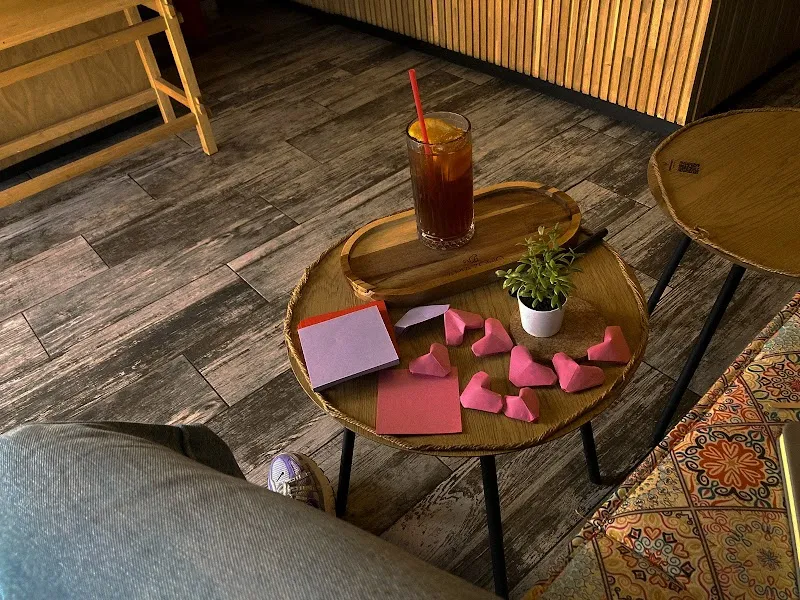
Where to Eat & Drink in Drumul Taberei Neighborhood Guide -- Parks, Metro & Local Life | Salut Bucuresti
Our tested picks for restaurants, cafes, and bars
Restaurants
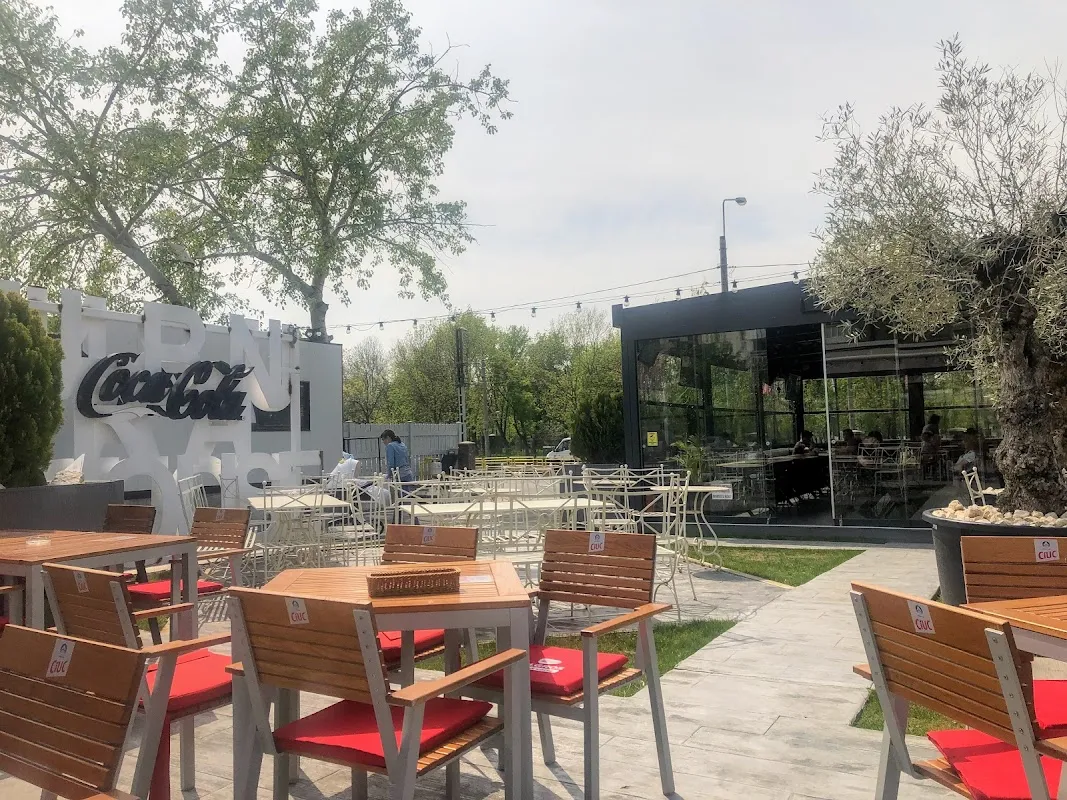 Marius Toropu
 Urban House
One of the most reviewed restaurants in the area, on Strada Brasov in the heart of Drumul Taberei. International comfort food in a spacious, casual setting that draws everyone from families to after-work groups.
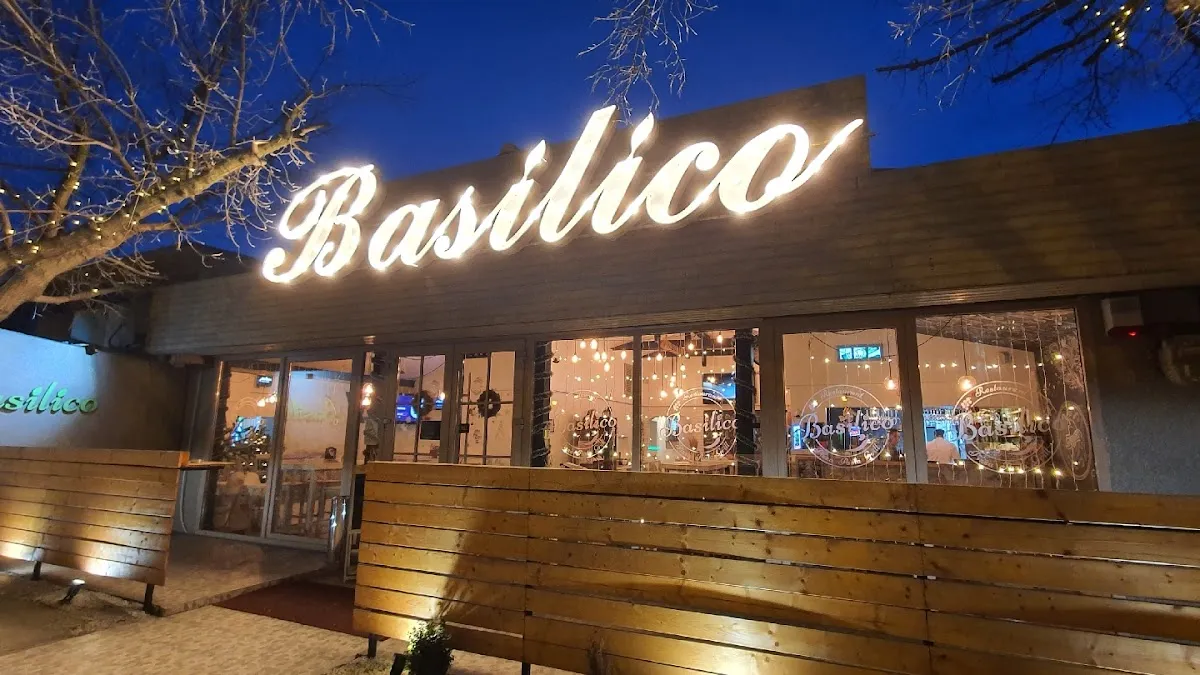 Restaurant Basilico
 Basilico
A well-loved Italian restaurant on Strada Valea Oltului with a loyal neighborhood following. Fresh pasta, wood-fired pizza, and a warm family atmosphere that has made it a local institution.
Cafes
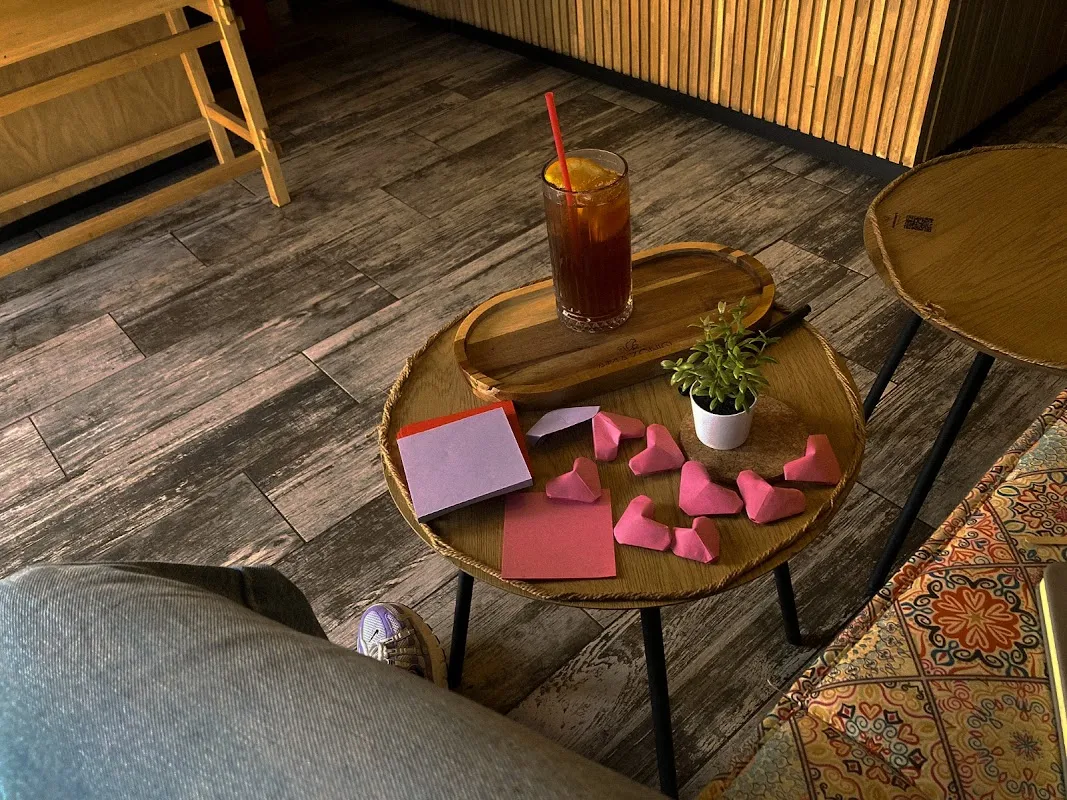 AMAZONIQ | specialty coffee | DTR
 Amazoniq
Specialty coffee at its finest in Drumul Taberei, right on the main boulevard. Excellent single-origin brews, a knowledgeable team, and a bright, plant-filled interior that makes every visit feel like a small escape.
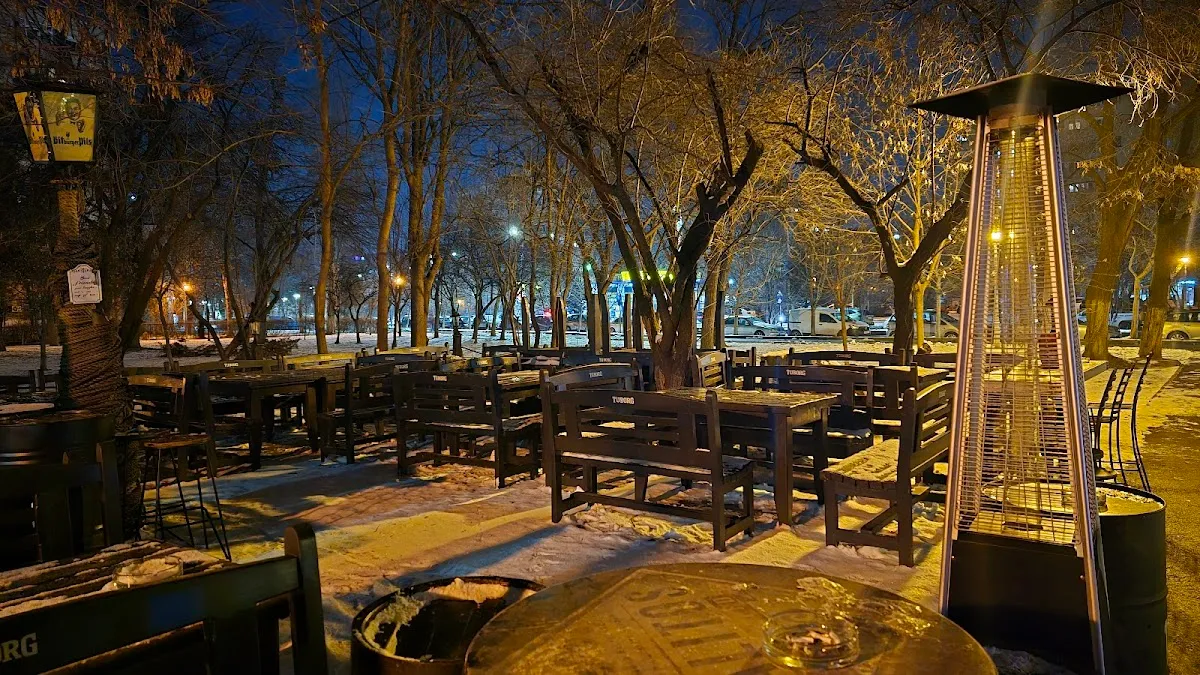 Pif Dark
 Pardon
A beloved neighborhood cafe and bar on Strada Sibiu that serves as a social hub for Drumul Taberei. Affordable drinks, a lively atmosphere, and the kind of local character that chain establishments cannot replicate.
Bars
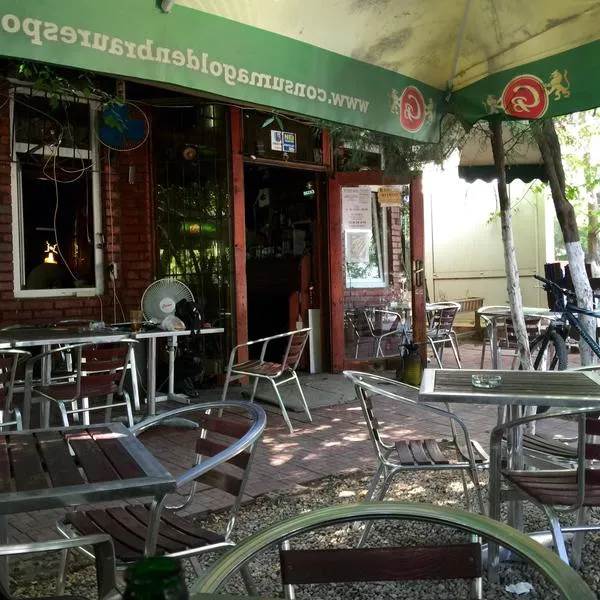 Cristian Ungureanu
 Rock Side
A rock-themed pub on Drumul Taberei 32 with a loyal local crowd. Cold beer, good music, and a relaxed, unpretentious vibe that captures the neighborhood's down-to-earth character.
A Glimpse into the Past
An armored vehicle on the streets of Drumul Taberei, December 1989 -- the neighborhood witnessed key moments of the Romanian Revolution
Photo: CristianChirita · CC BY-SA 3.0 · Wikimedia Commons
Historical map of old Bucharest -- the western area that would become Drumul Taberei was still countryside, traversed by the old military camp road
Photo: Unknown author · Public domain · Wikimedia Commons