Prices verified: March 2026
Have more questions about Patriarchal Hill (Dealul Mitropoliei)? Ask Bucur.History
Patriarchal Hill — Dealul Mitropoliei in Romanian — has been the seat of the Romanian Orthodox Church since the 17th century, making it one of the most historically significant sites in Bucharest.
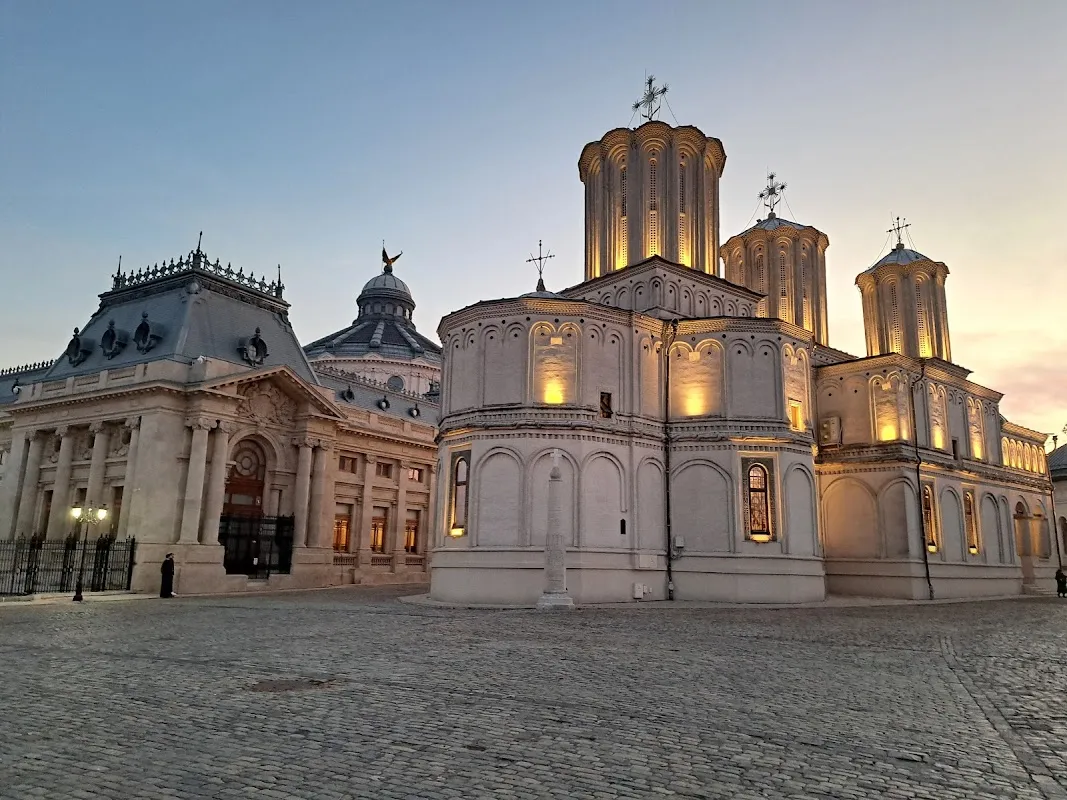
The Patriarchal Cathedral (Catedrala Patriarhala) was built between 1654 and 1658 during the reign of Constantin Serban Basarab, with contributions from Wallachian ruler Radu Leon. It was originally the metropolitan cathedral of Wallachia and became the patriarchal cathedral in 1925, when the Romanian Orthodox Church was elevated to a patriarchate.
The cathedral is a fine example of Brancovenesc (Wallachian Renaissance) architecture, blending Byzantine structural principles with local decorative traditions. The interior frescoes have been restored multiple times over the centuries, most recently in a comprehensive project completed in the early 2000s.
The Patriarchal Palace, adjacent to the cathedral, was built in 1875 and serves as the official residence of the Patriarch of the Romanian Orthodox Church. The hilltop complex also includes the old Metropolitan Palace, a bell tower, and a garden terrace with some of the best views in central Bucharest.
The hill’s political significance extends beyond religion. Romania’s first Constitution was proclaimed here in 1866, and the unification of the Romanian Principalities was formally recognized on this site.
What to See
- The Patriarchal Cathedral — a 17th-century church with beautifully restored frescoes, gilt iconostasis, and an atmosphere of deep reverence
- The Patriarchal Palace — the official residence of the Romanian Patriarch, an imposing 19th-century building (exterior viewing only)
- The bell tower — a distinctive landmark visible from across the city
- The old Metropolitan Palace — historically significant, now part of the patriarchal complex
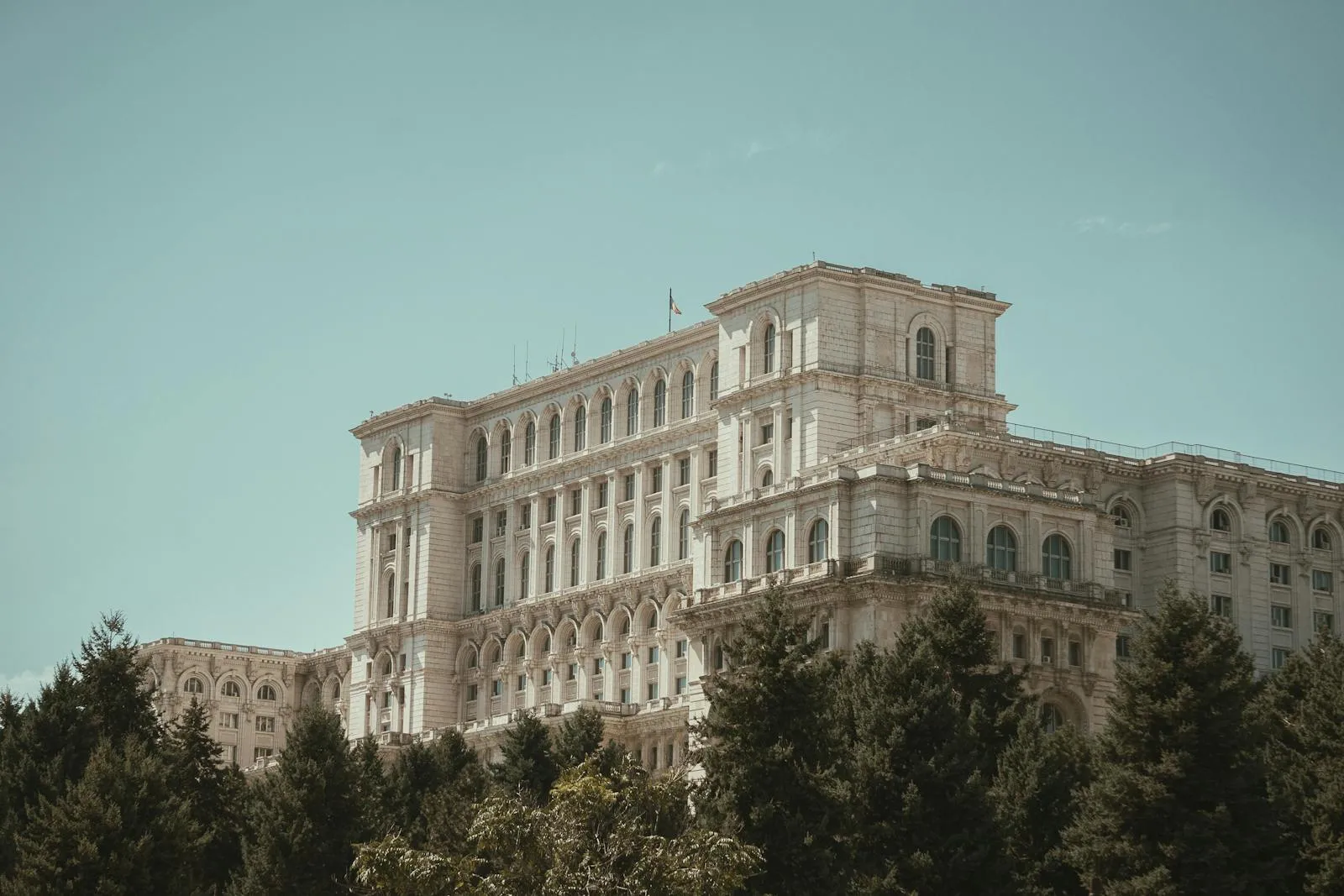
- The garden terrace and viewpoint — offers panoramic views south toward the Dambovita River and the modern city, and west toward the Palace of Parliament
- The ceremonial staircase — the grand approach from the south, lined with mature trees
“Patriarchal Hill is where Romania’s spiritual and national identities merge. Even if you are not religious, the history and the views make the climb worthwhile.”
Tips for Visiting
It is an active place of worship. Services are held daily, and the cathedral is particularly busy on Sundays and religious holidays. Visitors are welcome but should dress modestly (covered shoulders and knees) and remain quiet inside the cathedral.
The climb is short but steep. From the street level, there are stairs and a sloping path. The effort is minimal — five minutes of walking — and the reward at the top is significant.
Photography. Exterior photography is fine. Inside the cathedral, be discreet and avoid flash. During services, refrain from taking photos.
The viewpoint is often overlooked. Most visitors focus on the cathedral and miss the garden terrace behind the complex, which offers excellent views.
Getting there: The hill is centrally located. Walk from Piata Unirii metro (M1, M2, M3) in about 10 minutes, heading west. Izvor metro (M1, M3) is about 12 minutes away. The hill is also a short walk from the Palace of Parliament.
Combine with: The Palace of Parliament is a 10-minute walk west. Radu Voda Monastery is 10 minutes south. The Old Town and Stavropoleos Monastery are 15 minutes north.
Is It Worth It?
For a free attraction that takes 30 to 60 minutes, Patriarchal Hill is one of the best values in Bucharest. The cathedral is beautiful, the history is profound, and the hilltop views are among the finest in the city center. It pairs naturally with a visit to the Palace of Parliament or the Old Town and adds a dimension of spiritual and historical depth that many tourist itineraries miss.
A Glimpse into the Past
The Patriarchal Cathedral on Dealul Mitropoliei, circa 1900 -- built between 1654-1658 under ruler Constantin Serban, it became the seat of the Romanian Patriarchate in 1925
Photo: Unknown author · Public domain · Wikimedia Commons
The Patriarchal Palace, photographed by George Simota in the 1930s -- built in 1875, the palace serves as the official residence of the Romanian Patriarch
Photo: George Simota · Public domain · Wikimedia Commons
Dealul Mitropoliei, Sector 4, Bucuresti
Open in Google Maps