Bucharest is not a city that explains itself immediately. The first few hours can feel disorienting — the scale is unexpected, the contrasts are sharp, and the logic of the place takes a little time to reveal itself. This guide covers the five things that, if you know them before you arrive, will make the rest of the trip make sense.
The Currency Situation
Romania uses the Romanian Leu (RON), not the Euro. This surprises more visitors than it should — Romania has been an EU member since 2007, but it has not adopted the Euro and has no confirmed date to do so. You will pay for everything in RON.
The practical implication: do not exchange money at the airport. The booths in arrivals halls offer rates that are 10-15% worse than what you get from a bank ATM in the city. Arrive with your card, take a Bolt or the express train into the center, and withdraw from a Banca Transilvania or BRD machine once you are in. These are on every central street. The going rate in 2026 is roughly 1 EUR to 5 RON.
For the full picture on money — ATMs, card acceptance, tipping — the money and tipping guide covers everything.
Getting from the Airport
Henri Coanda International Airport is 17 km north of the city center. You have two honest options.
The express train (Henri Coanda Express) runs from the airport’s dedicated rail station — signposted inside arrivals — to Gara de Nord in the city center. The journey takes roughly 20 minutes. A single ticket costs around 7 RON. Trains run frequently throughout the day. From Gara de Nord, the M1/M4 metro lines connect you to most central neighborhoods in under 15 minutes.
Bolt is the reliable alternative if you have heavy luggage or are going somewhere the metro does not conveniently reach. Fares from the airport to central Bucharest typically run 40-70 RON depending on traffic and destination. Do not hail an unmarked taxi — airport taxi scams are among the most reliable tourist traps in Bucharest. The public transport guide has the full breakdown.
Safety — The Real Picture
Bucharest is safe for tourists. Romania ranks well in European safety statistics, and violent crime against visitors is genuinely rare. The risks that do exist are petty and predictable: pickpockets in the Old Town and around Gara de Nord, taxi drivers who “forget” to turn on the meter, and currency exchange offices that advertise attractive rates with hidden fees.
The practical rules are simple. Use Bolt or Uber, not street taxis. Use bank ATMs, not exchange booths. Keep your phone and wallet in a front pocket in crowded areas. Be skeptical of anyone who approaches you with unusual urgency in tourist areas. The safety guide covers all the common scams and how to avoid them.
The neighborhoods around Old Town, Calea Victoriei, Floreasca, Cotroceni, and Herastrau are all safe day and night for tourists. Gara de Nord and the areas around it are less pleasant after dark, but there is rarely a reason to be there late at night.
Where to Stay and Which Neighborhood to Choose
The most important accommodation decision in Bucharest is the neighborhood, not the hotel. The city is large and traffic is unpredictable — choosing the wrong area means spending significant time in transit.
For a first visit, the area around Calea Victoriei and Piata Romana is the best balance: within walking distance of Old Town, excellent restaurants, good metro connections (Piata Romana on M2), and quieter than Old Town on weekend nights. Old Town itself is the most convenient option — every landmark is walkable — but bar noise on Friday and Saturday nights is real and significant if your window faces the main streets.
The where to stay guide covers every main neighborhood with verified hotel picks at each price tier.
How Many Days to Plan
One day: you will see Old Town and Calea Victoriei. That is not nothing, but it is incomplete.
Two days: this is the minimum for a genuine first experience. Day 1 covers Old Town, the Palace of Parliament, and a walk along Calea Victoriei. Day 2 adds Herastrau Park, the Village Museum, and a meal in the Floreasca neighborhood — where Bucharest actually eats, at prices that reflect that. The two-day itinerary has this mapped out hour by hour.
Three days: the right amount. A third day adds room for Cotroceni, the Botanical Garden, the bookstore Carturesti Carusel, and a slower pace that lets the city’s personality emerge. Many people extend a planned two-day trip after arriving.
If you are considering a day trip to Sinaia or Brasov, build it into a three- or four-day trip. The train to Sinaia takes about 90 minutes. Brasov is about 2.5 hours. Both are worth the journey and significantly different from Bucharest in character.
Five Things That Will Surprise You
The scale. Bucharest has 2 million people. The historic center is compact, but the city as a whole is large, and many of the most interesting things — good restaurants, real neighborhoods, parks — are outside the tourist radius. Use the metro.
The food quality. Bucharest’s restaurant scene has improved dramatically since 2015 and is no longer the placeholder travelers expected. For specific recommendations, the food guide maps the entire landscape.
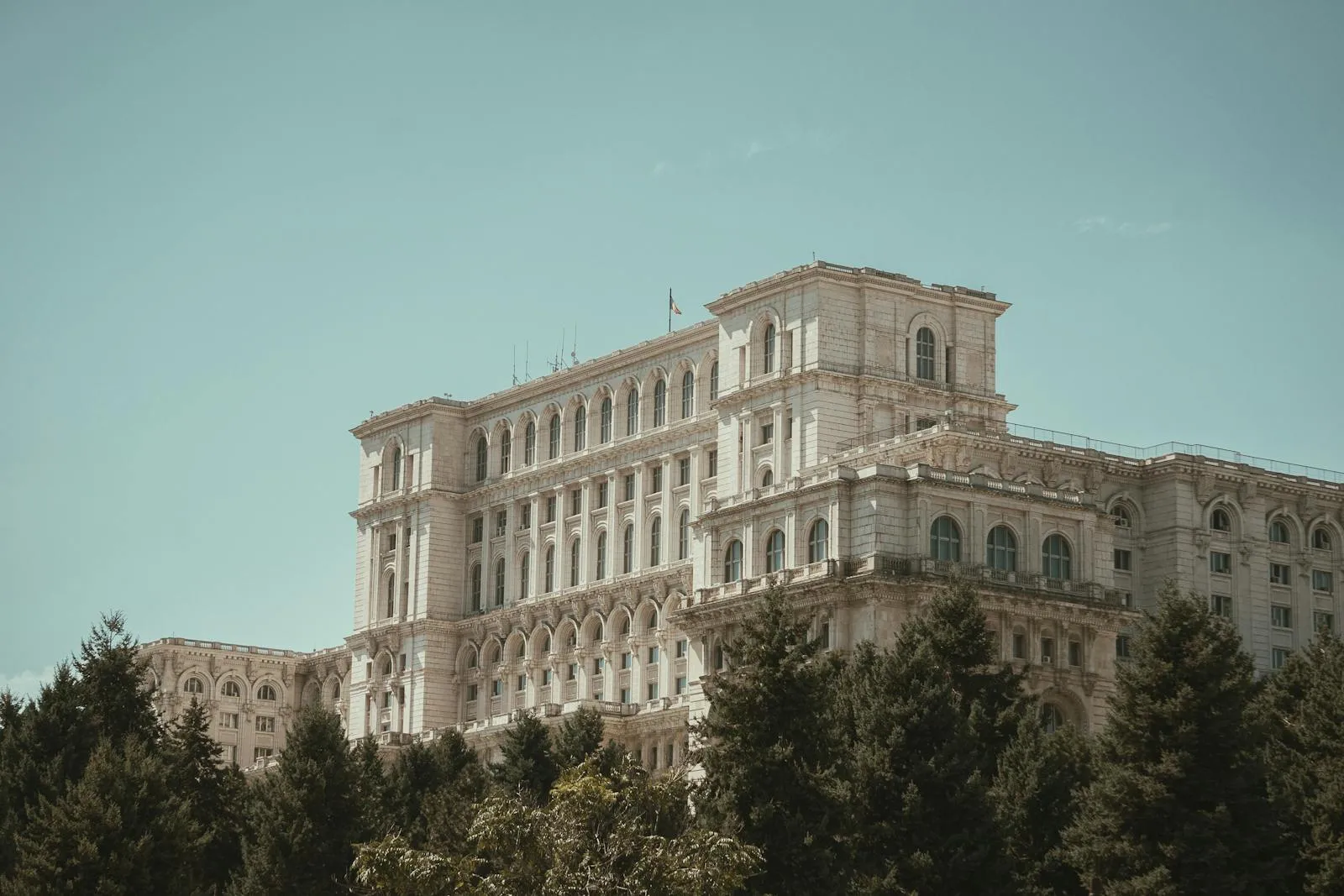
The Palace of Parliament. Photos do not prepare you for it. This is the second-largest building in the world by floor area, built by Nicolae Ceausescu and completed after his execution. The tour covers only a fraction of the interior. Book ahead — slots fill up, especially on weekends. Enter from the south side on Calea 13 Septembrie.
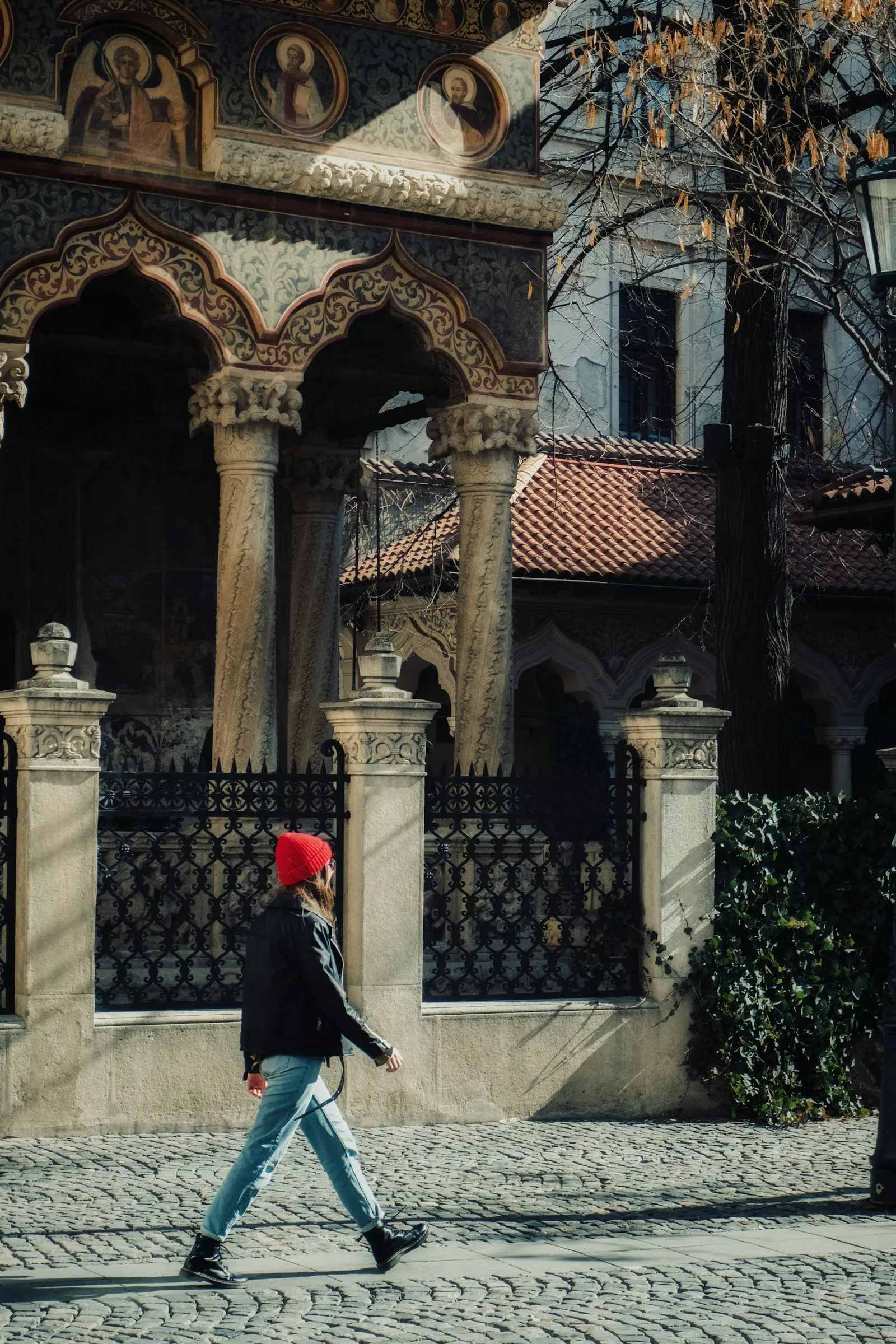
The architectural contrast. Belle Epoque palaces next to communist-era apartment blocks next to glass office towers. It is visually startling at first and genuinely interesting once you understand the layers. Walking up Calea Victoriei from Old Town to Piata Victoriei tells most of the city’s 20th-century history through its buildings.
The summers. July and August regularly exceed 35°C. This is not Mediterranean-pleasant hot — it is genuinely intense, and the city feels it. If you are visiting in summer, plan outdoor activities for morning and evening, not midday.
Frequently Asked Questions
Do I need to exchange money before arriving in Bucharest?
No. The best strategy is to arrive with your bank card and withdraw Romanian Lei (RON) from a Banca Transilvania or BRD ATM in the city. The exchange rate is significantly better than airport booths or street exchange offices. When the ATM asks whether to charge in your home currency or RON, always choose RON — the 'home currency' option applies a poor rate that benefits the machine, not you. 1 EUR is roughly 5 RON in 2026.
Is Bucharest safe for first-time visitors?
Yes. Bucharest is one of the safer European capitals — violent crime targeting visitors is extremely rare. The practical risks are pickpockets in Old Town and around the train station, and taxi scams near the airport. Use Bolt or Uber instead of hailing street cabs, and keep valuables in a front pocket or cross-body bag in crowded areas. The full picture is in the safety guide.
Do I need to speak Romanian in Bucharest?
No. English is spoken confidently in restaurants, hotels, shops, and by Bolt and Uber drivers across the city. Most Romanians under 40 have strong English — Romania has one of the highest English proficiency rates in Eastern Europe. In older residential neighborhoods and traditional markets, you will encounter less English, but a few words of appreciation in Romanian ('multumesc' — thank you) go a long way.
How many days should I spend in Bucharest?
Two days covers the Palace of Parliament, Old Town, Calea Victoriei, and the Romanian Athenaeum. Three days adds Herastrau Park, the Village Museum, Floreasca, and room for a proper meal at a good restaurant outside the tourist zone. One day is honest only if you are genuinely transit-passing. If you are deciding between Bucharest and a day trip to Sinaia or Brasov, do both — the train to Sinaia is 90 minutes and the combination is one of the best day-trip options in Southeast Europe.
What are the biggest surprises for first-time visitors to Bucharest?
Five things that consistently catch visitors off guard: (1) The architecture contrast — monumental communist boulevards next to crumbling Belle Epoque palaces next to glass towers. It takes a day to adjust. (2) The food is much better than expected. (3) The city is sprawling — Old Town is small but the overall footprint is large; don't plan to walk everywhere. (4) July and August are genuinely hot (35°C+), not European-warm. (5) The Palace of Parliament requires an advance booking — you cannot just walk in.
Do I need to book things in advance in Bucharest?
For most things, no. Restaurants, museums, parks, and the Old Town require no advance planning. The exception is the Palace of Parliament, where guided tours run on a fixed schedule and popular slots book out — reserve online at least a day ahead, ideally more in summer. Accommodation in May, June, and September books out faster than other months; otherwise two weeks ahead is sufficient for most hotels.