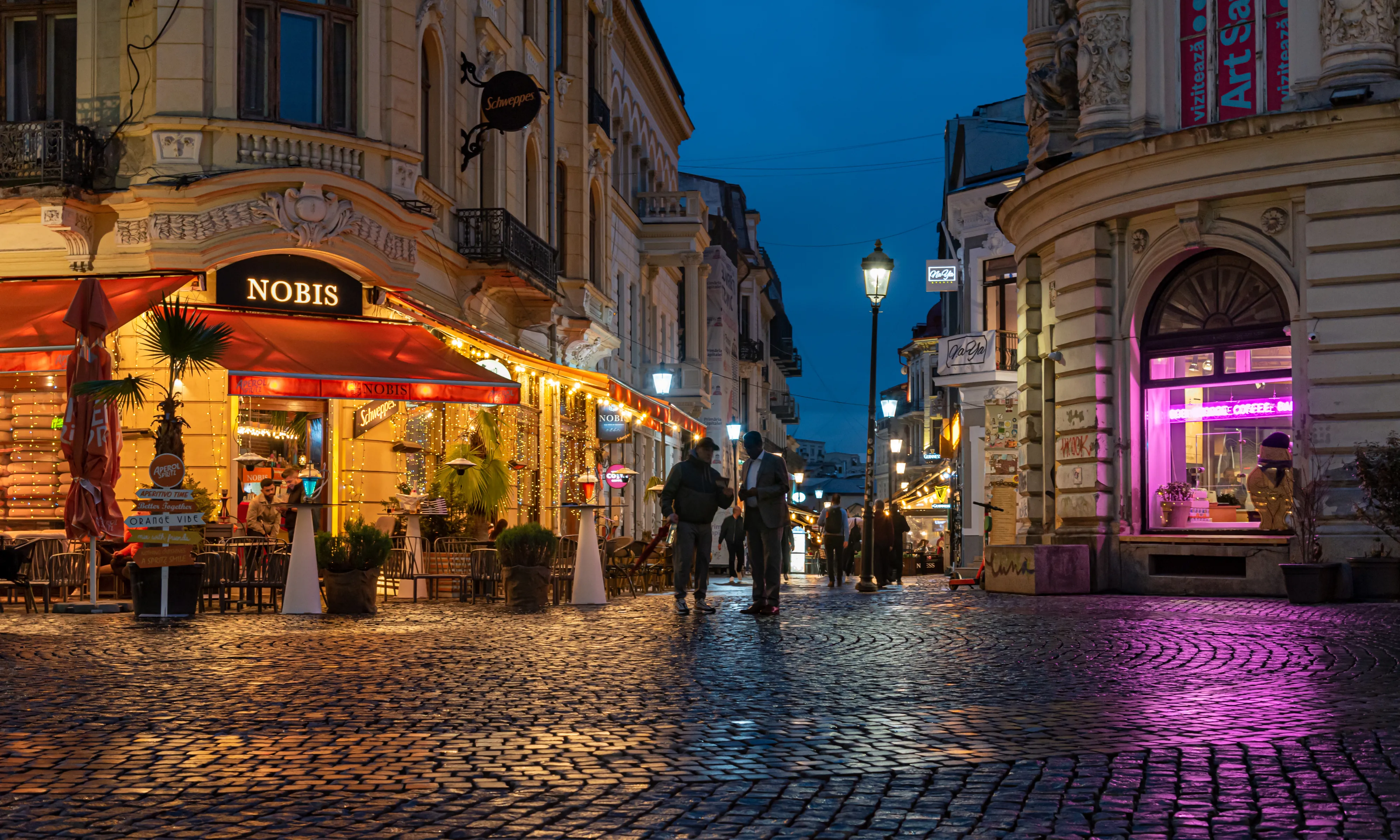
This guide is not for tourists. It is for people who have moved to Bucharest, are considering moving, or have been here long enough to know the difference between what the travel blogs say and what living here is actually like.
Bucharest is a genuinely good city to live in. It is chaotic, contradictory, surprisingly cheap, surprisingly vibrant, and full of things that would be obvious if anyone bothered to point them out. This guide tries to point them out.
Is Bucharest Worth Living In?
The honest answer: yes, with clear eyes.
What Bucharest offers that most European capitals cannot: extremely low cost of living relative to income, a food and nightlife scene that punches far above its reputation, a central location in Southeast Europe that makes weekend travel cheap and easy, and a fast-growing tech and creative economy that creates genuine opportunities.
What Bucharest does not offer: reliable public services, Western European infrastructure reliability, or the kind of civic polish that comes from decades of EU-aligned governance. The city works, but it works imperfectly and sometimes frustratingly. Expats who thrive here accept this trade-off. Those who don’t, leave within a year.
The expats who stay longest are the ones who stop comparing Bucharest to where they came from and start experiencing it on its own terms.
Best Neighborhoods for Expats
Where you live shapes your entire experience of the city. These are the areas where most expats end up, and why.
Floreasca — Dorobanți
The most popular expat neighborhood, and for good reason. High density of good restaurants, cafes, and bars within walking distance. Well-maintained streets. Close to the main corporate offices in Pipera. Safer than average. The downside: it is expensive by Bucharest standards, and it can feel like a bubble — comfortable but not representative of the actual city.
Best for: corporate expats, families, people who want convenience over discovery.
Cotroceni — Grozăvești
Quieter than Floreasca, greener, and architecturally beautiful. This area around the Cotroceni palace and the Botanical Garden has wide, tree-lined streets, a mix of pre-war villas and newer developments, and a genuinely residential feel. The restaurant and bar scene is smaller but high quality. Slightly inconvenient for metro access — tram and bus are the main options.
Best for: people who want a calmer, more neighborhood feel; academics (close to Politehnica and several faculties); couples and families.
Centrul Vechi — Izvor
Living in or near the Old Town means constant access to the most concentrated dining and nightlife scene in Bucharest. It also means noise, weekend crowds, and the chaos that comes with a historic urban centre. The apartments in the surrounding streets — Izvor, Unirii, Antim — offer a reasonable compromise: close enough to walk everywhere, far enough to sleep.
Best for: younger expats, people who prioritize nightlife and restaurants, short-term residents who want the full urban experience.
Aviatorilor — Kiseleff
The most prestigious address in Bucharest. Wide boulevards, embassies, villas, and a pace of life that feels genuinely different from the rest of the city. Expensive, quiet, and close to Herăstrău Park. Not well connected to metro — you need a car or are willing to use taxis for most trips.
Best for: senior professionals, diplomats, families who want space and greenery.
Titan — Dristor — Pantelimon
Often overlooked by expats, these eastern neighborhoods offer some of the best value-for-money in the city. Large apartments, lower rents, and a genuinely local atmosphere that Floreasca has lost. The restaurant scene is less curated but more authentic. Metro connectivity is good (M3 line). If you work remotely or your office is metro-accessible, this area deserves serious consideration.
Best for: budget-conscious expats, digital nomads, people who want to live like a local rather than in the expat bubble.
Cost of Living in Bucharest
Numbers that are actually useful, not the filtered versions that show up in expat surveys:
Rent (2026 estimates):
- 1-bedroom in Floreasca/Dorobanți: €600–900/month
- 1-bedroom in Cotroceni/Izvor: €500–750/month
- 1-bedroom in Titan/Dristor: €350–550/month
- 2-bedroom family apartment (outer neighborhoods): €600–900/month
Food and drink:
- Coffee at a specialty cafe: 18–25 RON (€3.50–5)
- Lunch at a neighborhood restaurant: 40–70 RON (€8–14)
- Dinner for two at a good restaurant: 200–400 RON (€40–80)
- Grocery shopping for one week: 300–500 RON (€60–100)
- Beer at a bar: 15–25 RON (€3–5)
Transport:
- Monthly metro pass: 100 RON (
€20), integrated metro + STB bus/tram: 160 RON (€32) - Bolt/Uber cross-city: 20–40 RON (€4–8)
Utilities (per month, 1-bedroom): 200–400 RON in winter, 100–200 RON in summer.
A comfortable single-person budget in Bucharest runs €1,200–1,800/month including rent, food, entertainment and transport. This is roughly half what the equivalent lifestyle costs in Berlin, Vienna, or Amsterdam.
Romanian Bureaucracy: What You Actually Need
This is where expat guides usually go vague. Here is what actually happens:
EU citizens: Freedom of movement applies. After 90 days you should register with the local authorities (Evidența Populației) and obtain a registration certificate. In practice, enforcement is inconsistent, but having documentation matters for banking and renting. The process takes a few hours at the local office and requires your passport, proof of address, and proof of income or employment.
Non-EU citizens: More complex. You need a residence permit — either through employment (your company’s HR will usually handle this), study, or family reunification. The process goes through the General Inspectorate for Immigration (IGI). It is slow, paperwork-heavy, and best navigated with a local lawyer or relocation service for your first application.
Banking: Opening a Romanian bank account requires a Romanian tax number (CNP or CIF for foreigners), your residence documentation, and passport. ING and BRD have the most English-friendly processes. Revolut and Wise work seamlessly in Romania if you want to avoid the local banking system entirely while you get settled.
Healthcare: Romania has public healthcare (CNAS) accessible to registered residents who pay social contributions. In practice, most expats use private clinics — Regina Maria and Medlife are the two largest networks, both with English-speaking doctors and reasonable prices by Western standards. A GP consultation costs 150–300 RON (€30–60) privately.
Social Life and Expat Community
Bucharest has a larger and more established expat community than most people expect before they arrive.
Where to meet people: Meetup.com has active groups for expats, language exchange, professional networking, and specific interests. InterNations has a Bucharest chapter with regular events. Facebook groups (“Expats in Bucharest,” “Bucharest Expat Community”) are active and useful for practical questions.
Language: Most young Bucharesters in the service industry, tech sector, and professional environments speak English well. Romanian is worth learning for everything else — daily life is significantly easier and more satisfying with basic Romanian. Duolingo covers the basics; a local tutor for conversation practice gets you functional much faster.
Romanians and friendship: Romanian social culture is warm but takes time to penetrate. Romanians are not cold — they are circumspect about new people in a way that looks like coldness until it isn’t. If you are invited to someone’s home, that is a significant gesture. The friendships that form tend to be deep and long-lasting.
Getting Around
Metro: The backbone of the city. Four lines (M1–M4) cover the main corridors. Fast, cheap, crowded at rush hour but functional. Buy a multi-journey card (Activ card) rather than single tickets.
Bolt and Uber: Cheap by any European standard and available within 2–4 minutes almost everywhere in the city. Many expats use rideshares almost exclusively and find it cheaper than owning a car.
Car ownership: The traffic in Bucharest is genuinely bad during peak hours. If you live and work inside the city, a car is a net quality-of-life negative most of the time. If you frequently travel to suburban areas or outside the city, it is worth it. Parking is increasingly expensive and difficult in central areas.
Cycling: Infrastructure is improving but inconsistent. Some corridors (Floreasca, the Herăstrău loop, sections of major boulevards) are genuinely cyclable. Most of the city is not yet. Getting better.
What Expats Get Wrong About Bucharest
A few things that regularly surprise people after they arrive:
The food scene is much better than the reputation. Bucharest restaurant quality circa 2026 is not what it was in 2010. The city has excellent Romanian cooking, credible international cuisine, a specialty coffee scene, and a cocktail bar culture that competes with Warsaw or Prague. The price-to-quality ratio is the best in Central Europe.
The city works better than it looks. Infrastructure is visually chaotic — uneven pavements, construction everywhere, architectural contrast from beautiful Art Nouveau to Soviet-era blocks to glass towers. But the city actually functions: food is always available, utilities rarely fail catastrophically, internet is fast (Romania has some of the fastest internet infrastructure in Europe), and services generally work.
Summer is genuinely hot. July and August in Bucharest hit 35–40°C regularly. This is not Mediterranean-pleasant hot. Air conditioning is not optional. Plan accordingly, or plan to leave for the mountains.
The nightlife is legitimately good. Not in a “good for Eastern Europe” way — genuinely good. The electronic music scene, the craft cocktail bars, and the restaurant-to-bar pipeline that operates until 4am in the summer are real. If you care about nightlife, Bucharest rewards you.
Useful Resources
- Expats in Bucharest (Facebook group) — best for practical questions
- Romania Insider — English-language news about Romania
- Nine O’Clock — English-language Romanian daily
- salutbucuresti.ro/en/news/ — curated Bucharest news in English
- Locals guide on this site — what’s on this weekend →, digital nomad guide →
Frequently Asked Questions
Is Bucharest a good city for expats?
Yes. Bucharest offers very low cost of living, fast internet, a growing food and nightlife scene, and a central location for European travel. The trade-off is less polished public services.What is the cost of living in Bucharest for expats?
A comfortable lifestyle costs 800-1,500 EUR/month including rent. A central one-bedroom apartment runs 500-800 EUR. Eating out and transport are significantly cheaper than Western Europe.Which neighborhoods are best for expats in Bucharest?
Floreasca and Herastrau for modern living, Cotroceni for quiet charm, Victoriei for central access. Most expats settle in the northern arc between Victoriei and Herastrau.Do I need to speak Romanian to live in Bucharest?
Not strictly, especially in tech and international companies. English is widely spoken among younger Romanians. However, basic Romanian helps enormously with bureaucracy and daily life.Is Bucharest safe for foreigners?
Yes, Bucharest is generally safe. Violent crime is rare. The main concerns are petty theft in tourist areas and aggressive driving. Use common sense and you will have no issues.