Prices verified: March 2026
Have more questions about Vacaresti Nature Park (Delta Vacaresti)? Ask Bucur.History
The story of Vacaresti Nature Park is one of communism’s unfinished ambitions turned into an ecological miracle. In the 1980s, the Ceausescu regime began constructing a massive reservoir as part of a flood-control system for southern Bucharest. Concrete dams were built, neighborhoods were demolished, and thousands of residents were displaced. But the project was never completed — the 1989 Revolution intervened, and the half-built reservoir was abandoned.
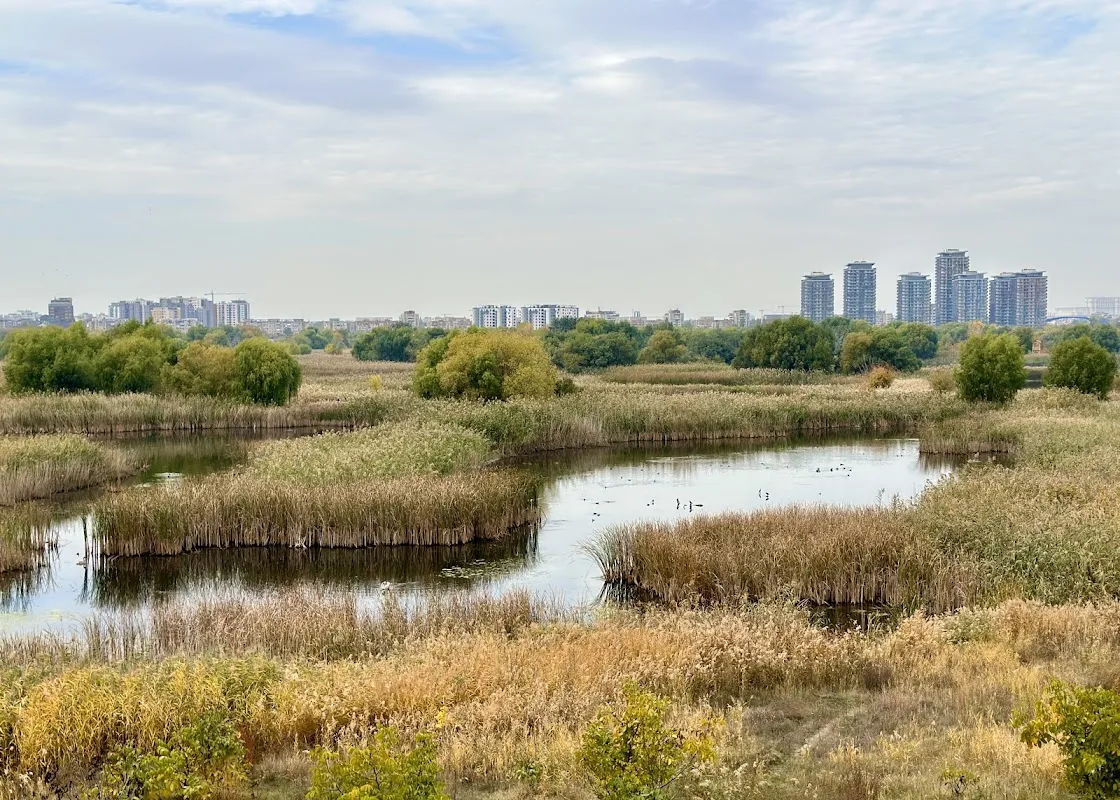
Over the following three decades, nature reclaimed the site. Water accumulated behind the concrete walls, marshes formed, reed beds grew, and wildlife moved in. By the early 2010s, scientists documented an astonishing biodiversity: over 190 bird species, including herons, cormorants, and kingfishers, alongside otters, foxes, turtles, and hundreds of plant species. In 2016, the Romanian government officially declared the area Vacaresti Nature Park — making it Europe’s largest urban natural park at approximately 190 hectares.
The transformation from failed communist infrastructure project to thriving urban wilderness is, in its way, one of the most powerful stories in Bucharest.
What to See
- The wetlands and reed beds — a landscape that feels more like the Danube Delta than a capital city, surrounded by apartment blocks on all sides
- Birdlife — herons, egrets, cormorants, kingfishers, and dozens of migrating species depending on the season
- Mammals — otters, wild foxes, and weasels are regularly spotted by patient visitors
- The concrete dam walls — the eerie remains of Ceausescu’s unfinished reservoir, now overgrown with vegetation
- Observation platforms — several raised wooden platforms for birdwatching and photography
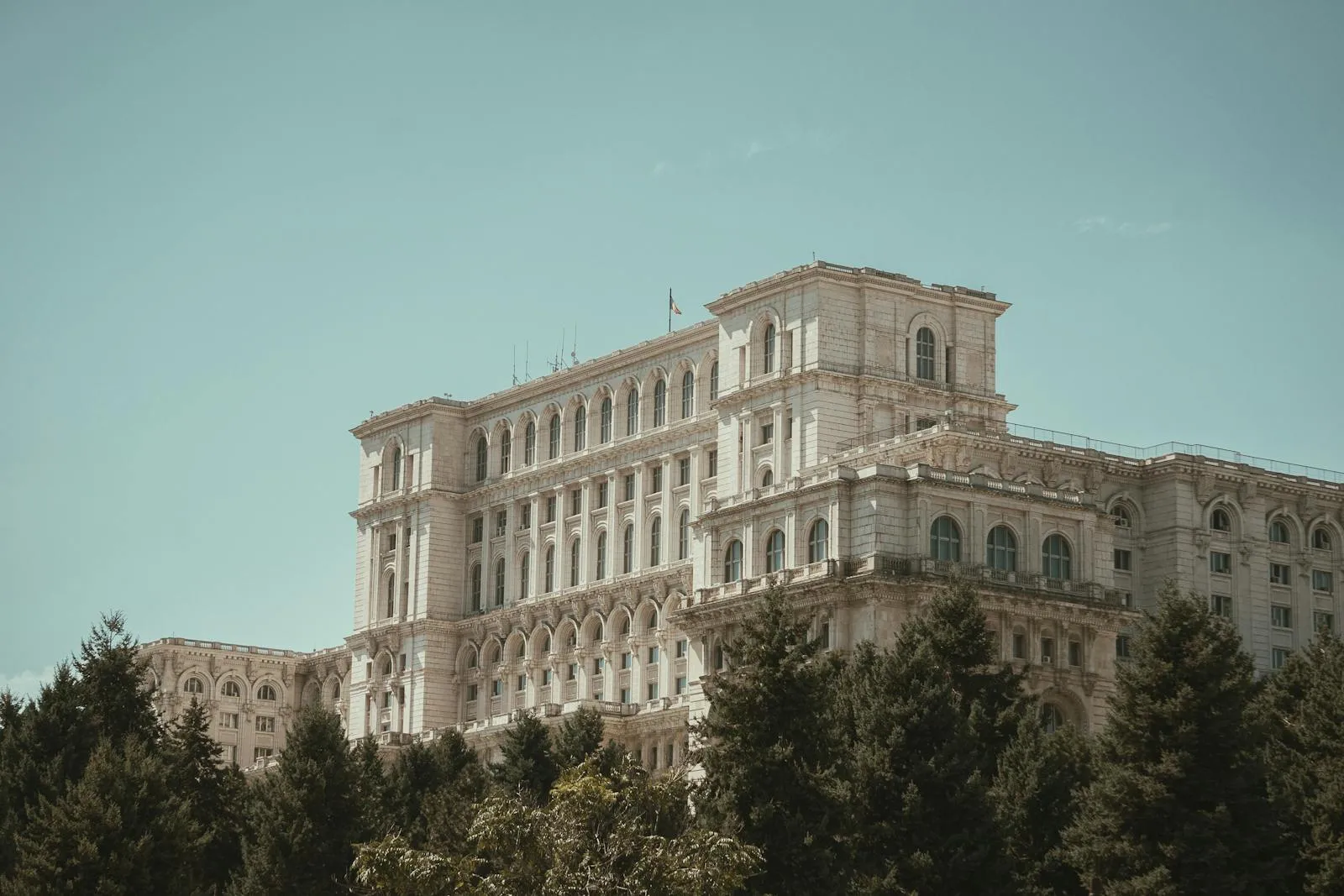
- The contrast — the most surreal aspect is the skyline of apartment blocks and the Palace of Parliament visible behind the wild marshes
“It is the strangest and most wonderful place in Bucharest — a genuine wilderness trapped inside a ring of concrete and apartment blocks.”
Tips for Visiting
Come early. The best time for wildlife is early morning, particularly for birdwatching. By mid-morning the park gets warmer and many birds retreat to cover.
Bring binoculars. This is one of the best birdwatching sites in any European capital. Even a basic pair of binoculars transforms the experience.
Wear proper shoes. The trails are unpaved, often muddy, and uneven. Hiking shoes or at minimum sturdy trainers are essential, especially after rain.
Mosquito repellent in summer. It is a wetland — the mosquitoes are real and plentiful from June through September.
Spring and autumn are peak seasons. Migration periods bring the greatest variety of bird species. Summer can be very hot with less wildlife activity during the day.
Getting there: The nearest metro station is Timpuri Noi on line M2, about a 15-minute walk. The main entrance is off Splaiul Unirii. You can also reach it by bus from Tineretului or Piata Sudului.
Combine with: The Palace of Parliament is about 2 km northwest — the contrast between the two sites is striking.
Is It Worth It?
Absolutely — and it is one of the most unique experiences Bucharest offers. This is not a manicured park; it is a genuine urban wilderness with real wildlife, and there is nothing quite like it in any other European capital. For nature lovers and birdwatchers, it is unmissable. For everyone else, the sheer strangeness of finding a wetland delta surrounded by communist-era apartment blocks makes it worth the trip. Allow at least two hours to appreciate it properly.
A Glimpse into the Past
The gate of Vacaresti Prison in 1940 -- the massive monastery-turned-prison complex was demolished in 1986, and the area later became Europe's largest urban nature park
Photo: Unknown author · Public domain · Wikimedia Commons
The inner courtyard of Vacaresti Prison, September 1932 -- originally a grand 18th-century monastery founded by Nicolae Mavrocordat
Photo: Unknown author · Public domain · Wikimedia Commons
Splaiul Unirii 160, Sector 4, Bucuresti
Open in Google Maps